Era

The 1930s, luxury in spite of the crisis

Hit by the crash of 1929, the 1930s saw perfumery answer with opulence and dreams. Lavish florals, aviation and surrealism inspired the creators.

2perfumes
2houses
Joy PatouVol de Nuit Guerlain

The spirit of a decade

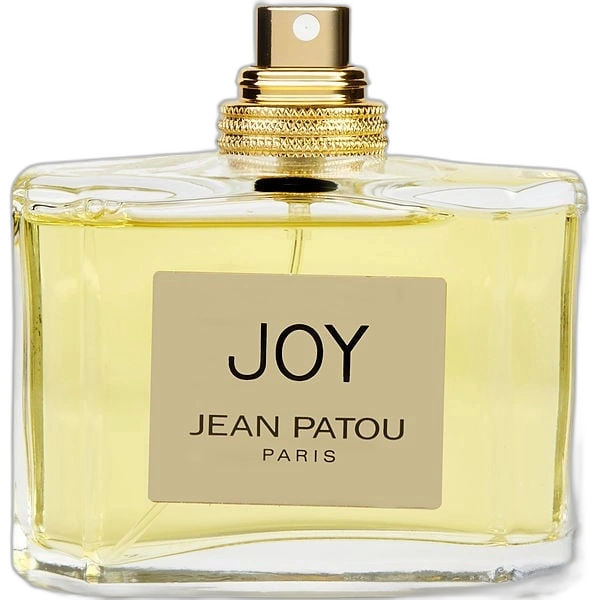
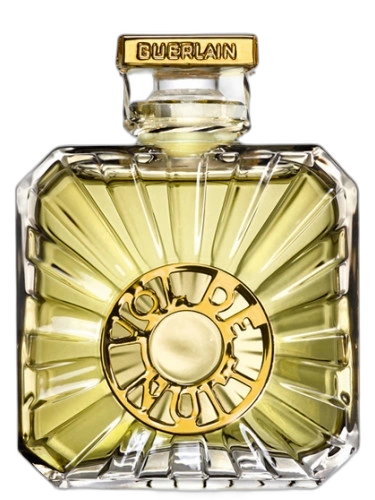
The 1929 crash ruined part of the American clientele of Parisian couturiers. Jean Patou took the opposite tack: Joy, launched in 1930 and composed by Henri Alméras, was presented as "the costliest perfume in the world" because of its wealth of jasmine and rose. In 1933, Jacques Guerlain created Vol de Nuit, a tribute to Antoine de Saint-Exupéry's novel and to the young age of aviation, with a green, woody base built on galbanum and moss. In 1937, Elsa Schiaparelli launched Shocking, whose bottle, inspired by a dressmaker's bust, reflected the links between fashion and surrealism. Perfumery remained mostly the domain of Parisian houses, and compositions grew denser, preparing the great chypres and florals of the post-war period that would follow.

The houses

Most represented houses

Frequently asked questions

Why was Joy called the costliest perfume?

Jean Patou highlighted the quantity of natural flowers, particularly jasmine and rose, needed for the formula, at a time of economic crisis. This openly luxurious positioning was also a commercial move aimed at keeping a loyal clientele despite the recession.

What links Vol de Nuit to Saint-Exupéry?

Vol de Nuit takes its name from Antoine de Saint-Exupéry's 1931 novel about night airmail flights in South America. Guerlain dedicated the perfume to the adventure of flight, and its bottle evokes a propeller. It is a green, woody perfume, drier than Shalimar.

Which 1930s perfumes are in your selection?

Our database includes two: Patou's Joy, an opulent floral from 1930, and Guerlain's Vol de Nuit, launched in 1933. They show two sides of the era, floral ostentation on one hand and the romance of adventure and modernity on the other.