Era

The 1920s, the daring of the Roaring Twenties

The Roaring Twenties brought perfume into the age of the couturiers. Aldehydes, abstraction and pared-back bottles redefined olfactory luxury.

4perfumes
3houses
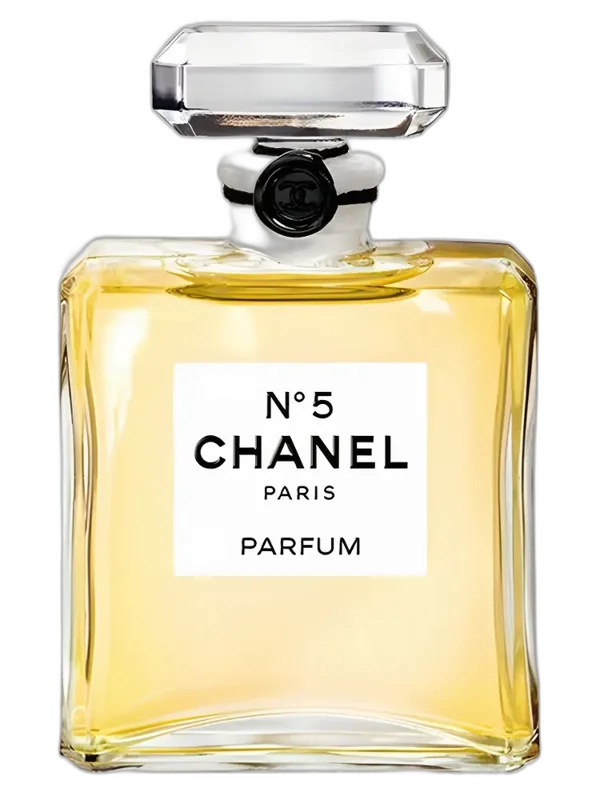
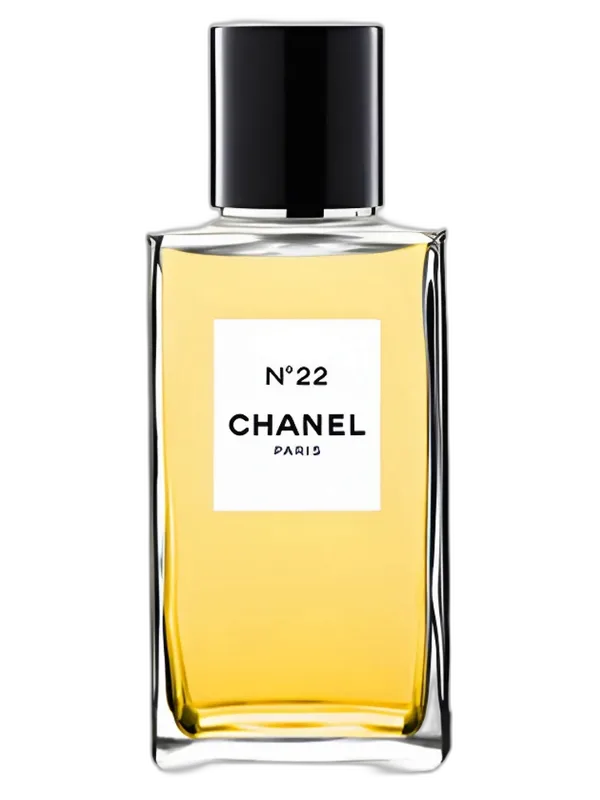
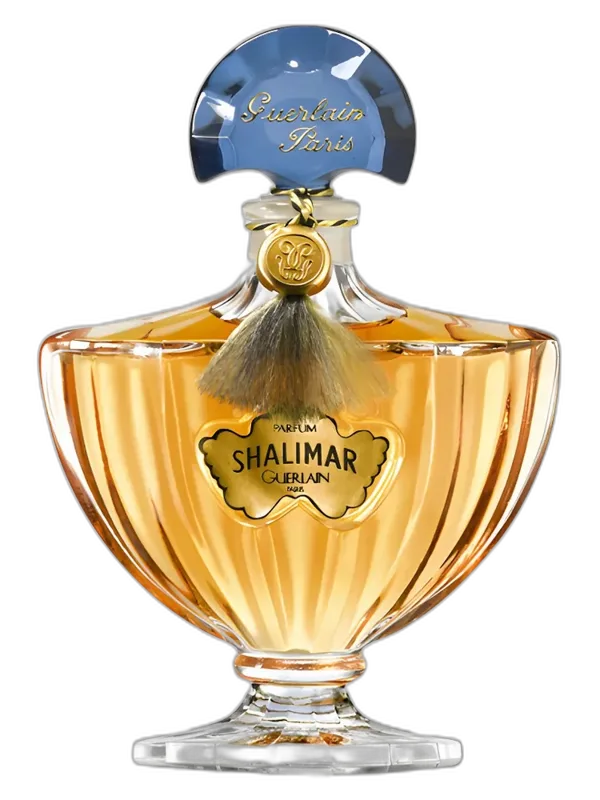
N°5 ChanelN°22 ChanelShalimar Guerlain

The spirit of a decade

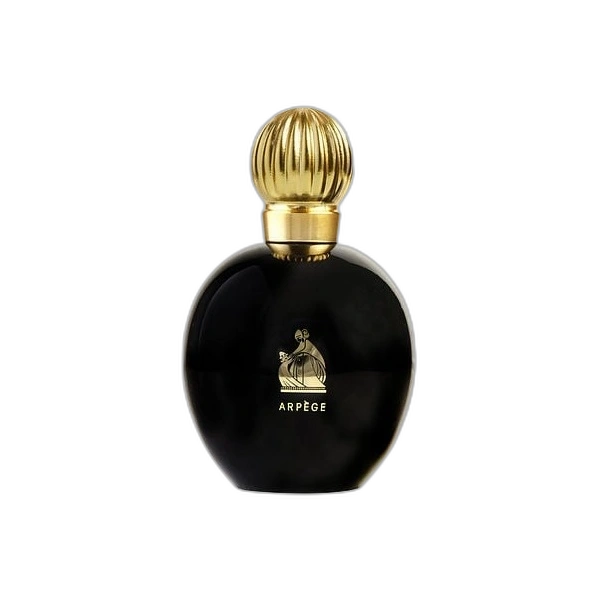
After the war, Paris danced, silhouettes loosened and fashion designers took hold of perfume. Gabrielle Chanel launched N°5 in 1921, composed by Ernest Beaux: an abstract floral aldehyde presented in a strikingly plain apothecary-style bottle. N°22 followed in 1922, brighter still, and Chanel continued with Cuir de Russie in 1924. At Guerlain, Shalimar was presented in 1925, the year of the International Exhibition of Decorative Arts, and became the model of the vanilla amber. In 1927, Jeanne Lanvin dedicated Arpège to her daughter, a floral aldehyde in a black ball bottle bearing a design by Paul Iribe. These launches durably established the idea that a perfume extends the world of a fashion house, a business model that still dominates prestige perfumery a century later.
The houses

Most represented houses

Frequently asked questions

Why did N°5 revolutionise perfumery?

N°5 used aldehydes at a dose unusual for the time, creating a fizzing, soapy brightness that melted the flowers into an abstract impression. It also established the couturier perfume in a minimalist bottle. It remains one of the most famous perfumes in the world.

Which 1920s perfumes still exist?

Several are still sold, often reformulated: Chanel N°5 and N°22, Guerlain Shalimar, Lanvin Arpège and Cuir de Russie in Chanel's Les Exclusifs collection. Our selection includes four of them, which makes it easy to compare the floral aldehyde with the amber.

What is a couturier perfume?

It is a perfume launched by a fashion house to extend its style. Paul Poiret paved the way in 1911 with Les Parfums de Rosine, but it was in the 1920s that Chanel, Lanvin and Patou turned it into the dominant model of luxury perfumery.