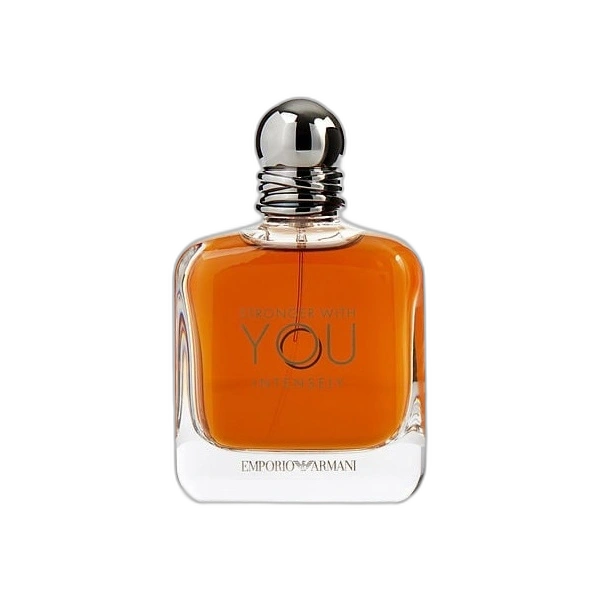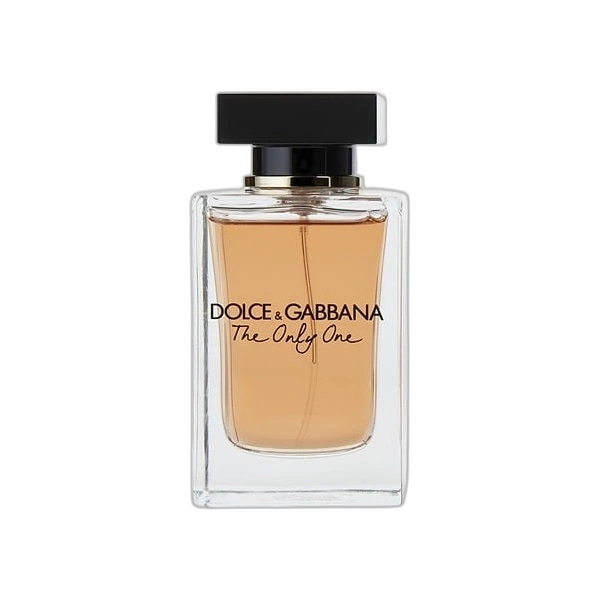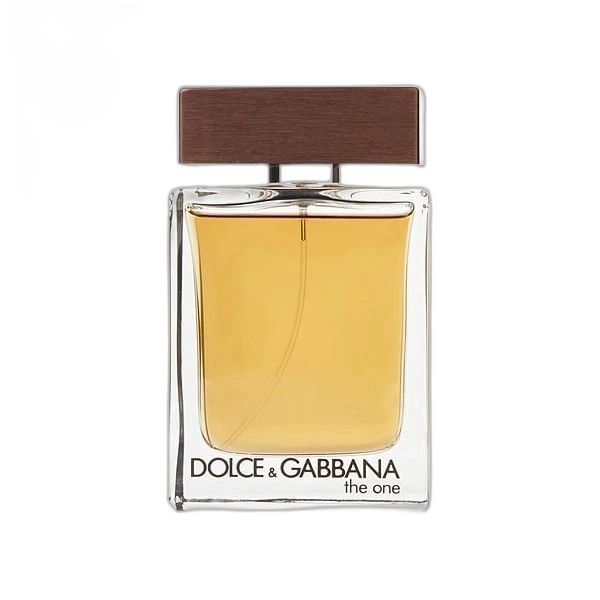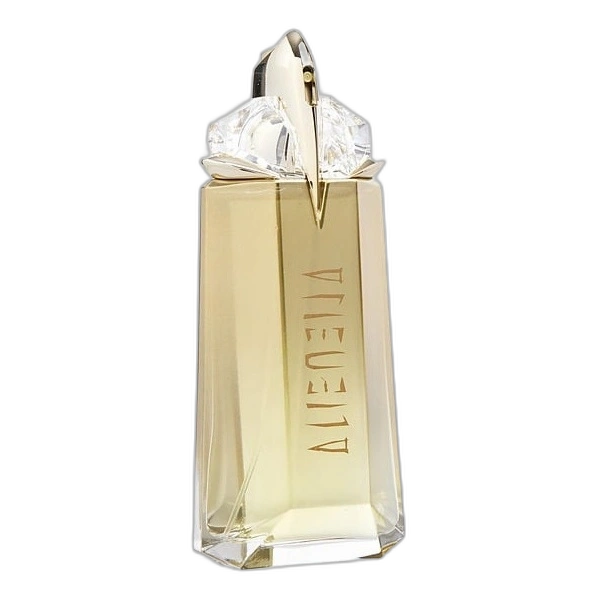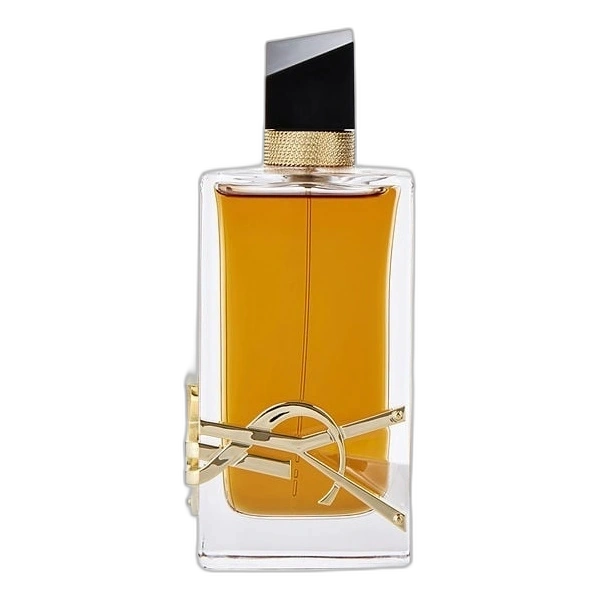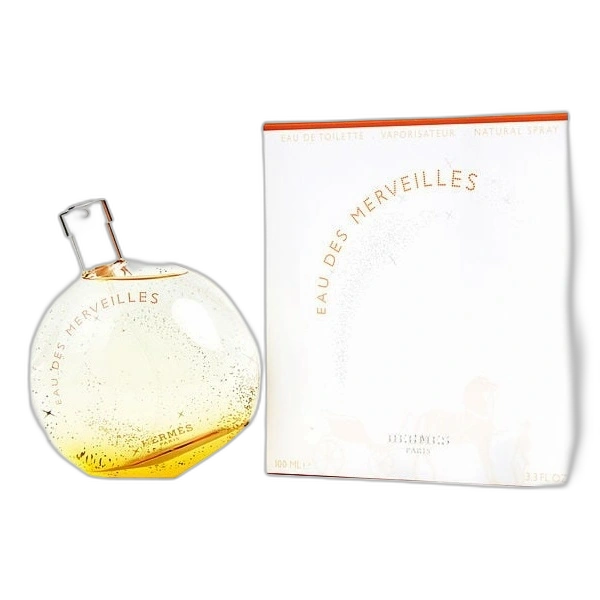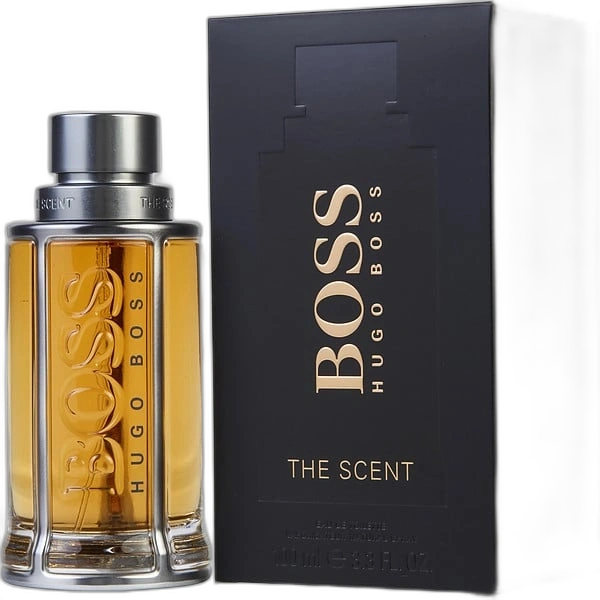
A short history
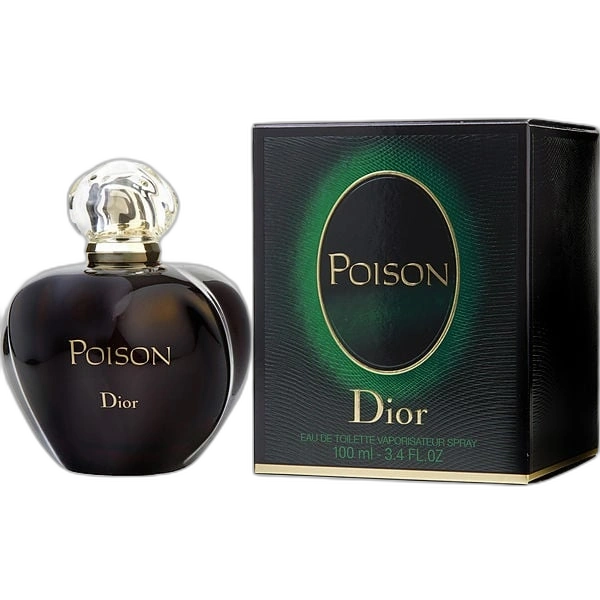
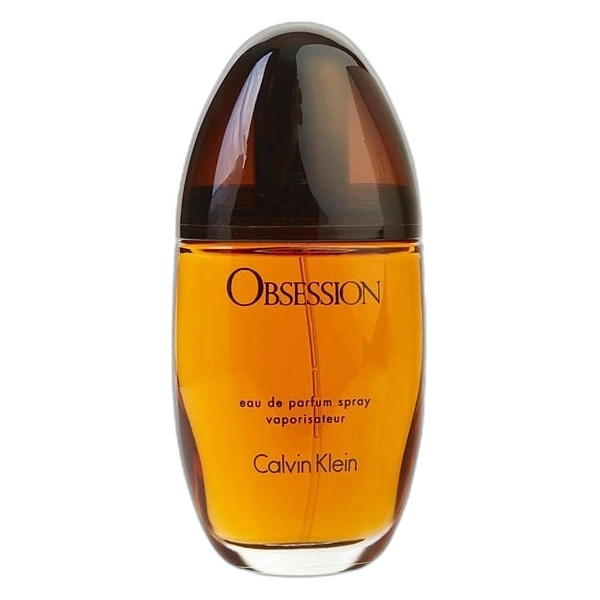
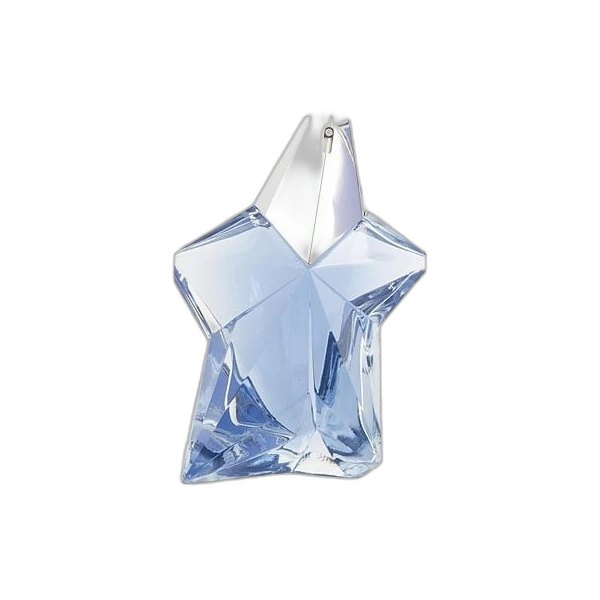
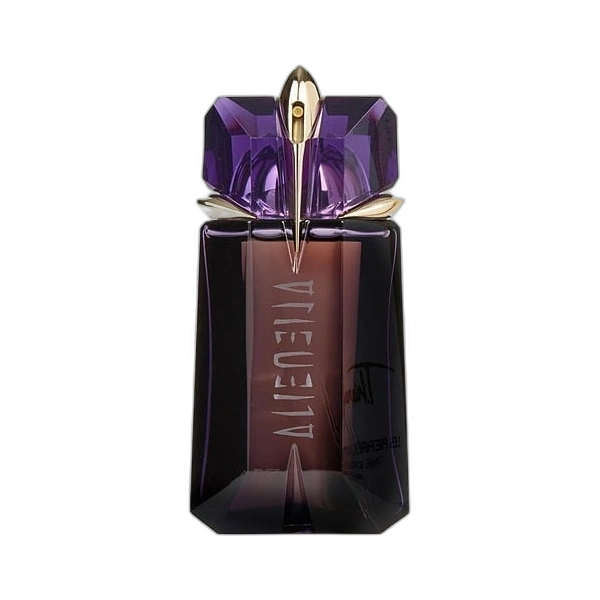
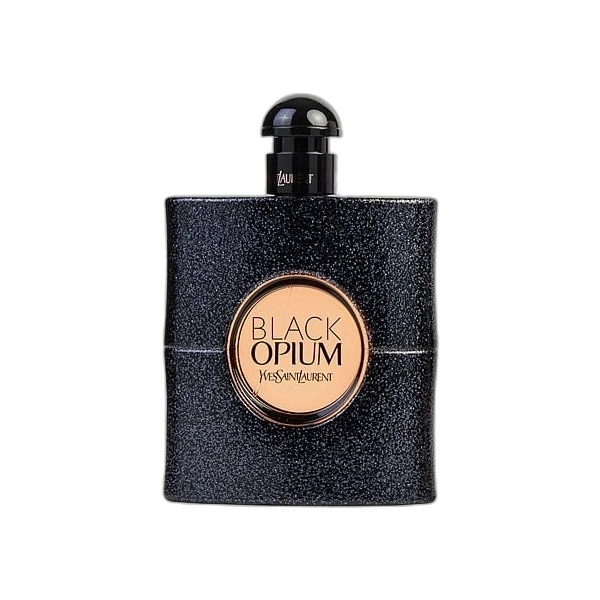
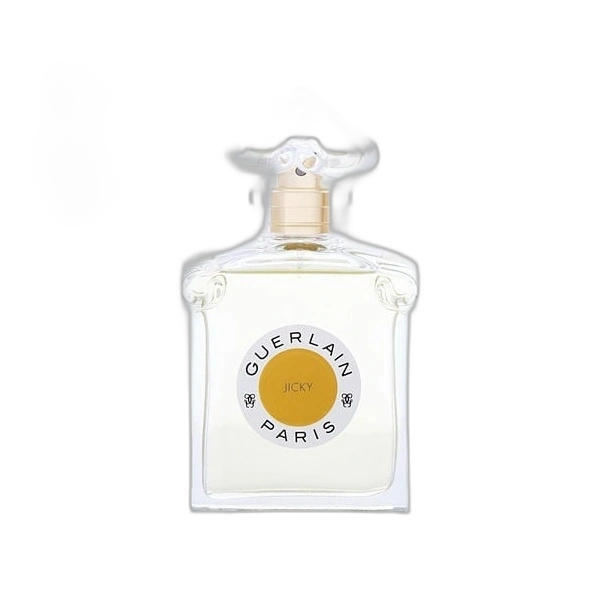
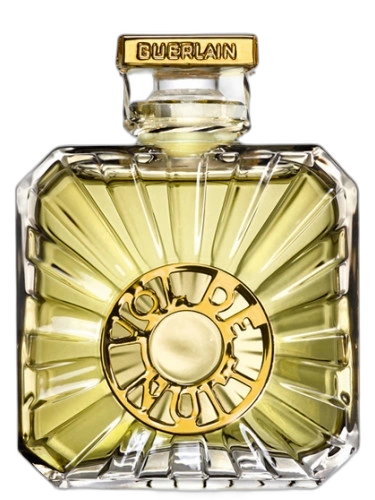
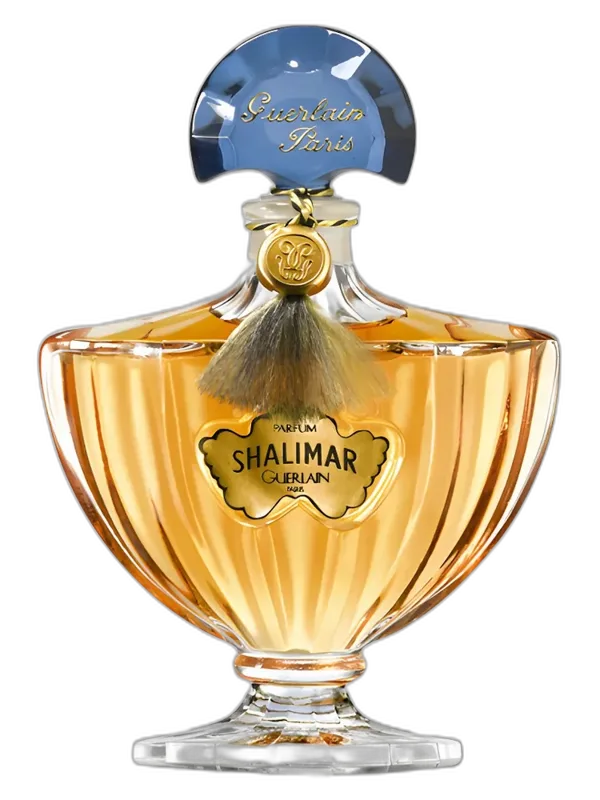
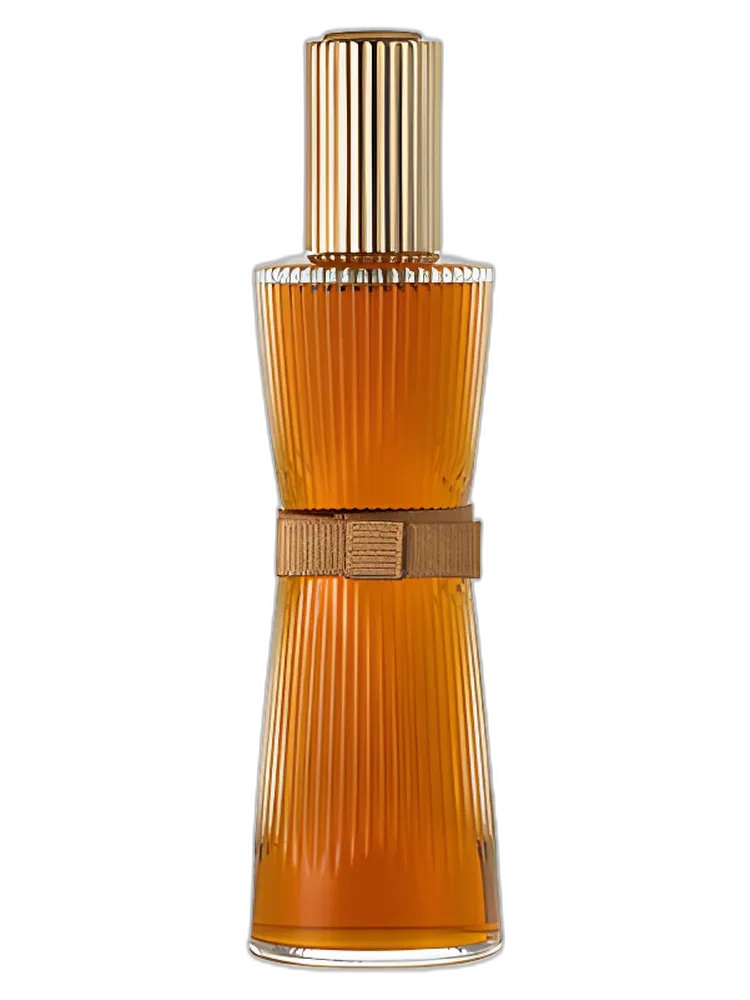
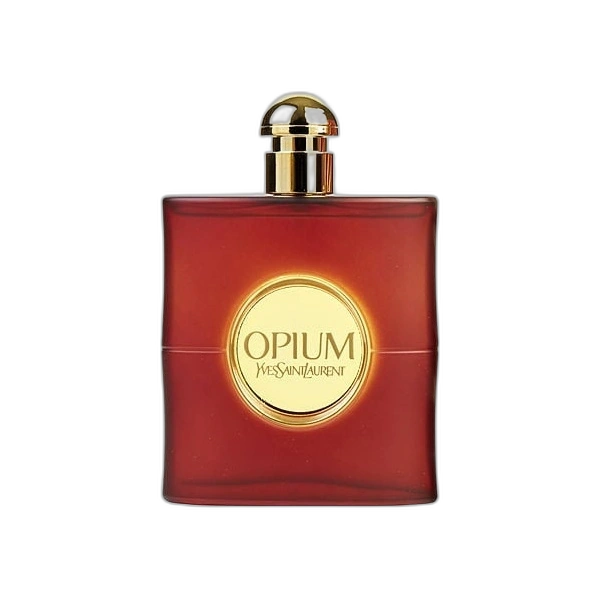
It all starts with late nineteenth-century chemistry. Synthetic coumarin and vanillin let Aimé Guerlain give Jicky, in 1889, a soft, rounded base that had never been smelled before. Jacques Guerlain took the idea to its conclusion with Shalimar in 1925: bright bergamot set against a trail of vanilla, opoponax and incense, which fixed the codes of the family for a century. In 1953, Estée Lauder's Youth Dew brought spicy amber to a broad American public. Yves Saint Laurent's Opium caused a scandal in 1977 with its name as much as its clove and resin intensity, paving the way for the loud orientals of the 1980s such as Poison and Obsession. In 1992, Mugler's Angel grafted a dose of sugar and patchouli onto this structure and gave birth to the gourmands. Professionals now increasingly prefer "amber" to "oriental".
Sub-families
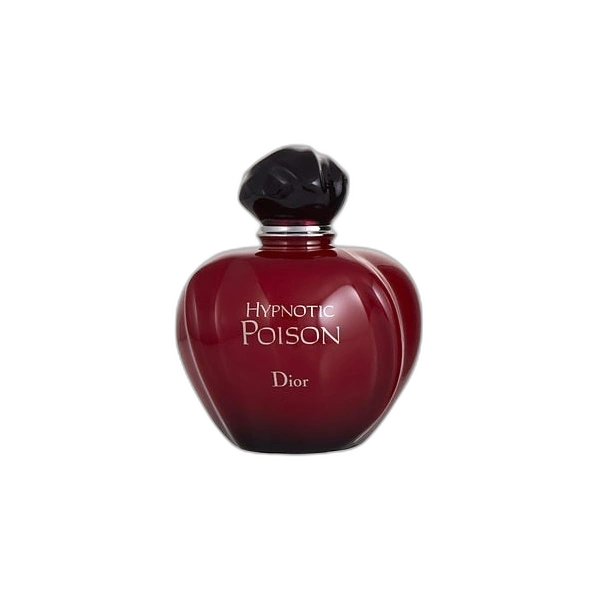
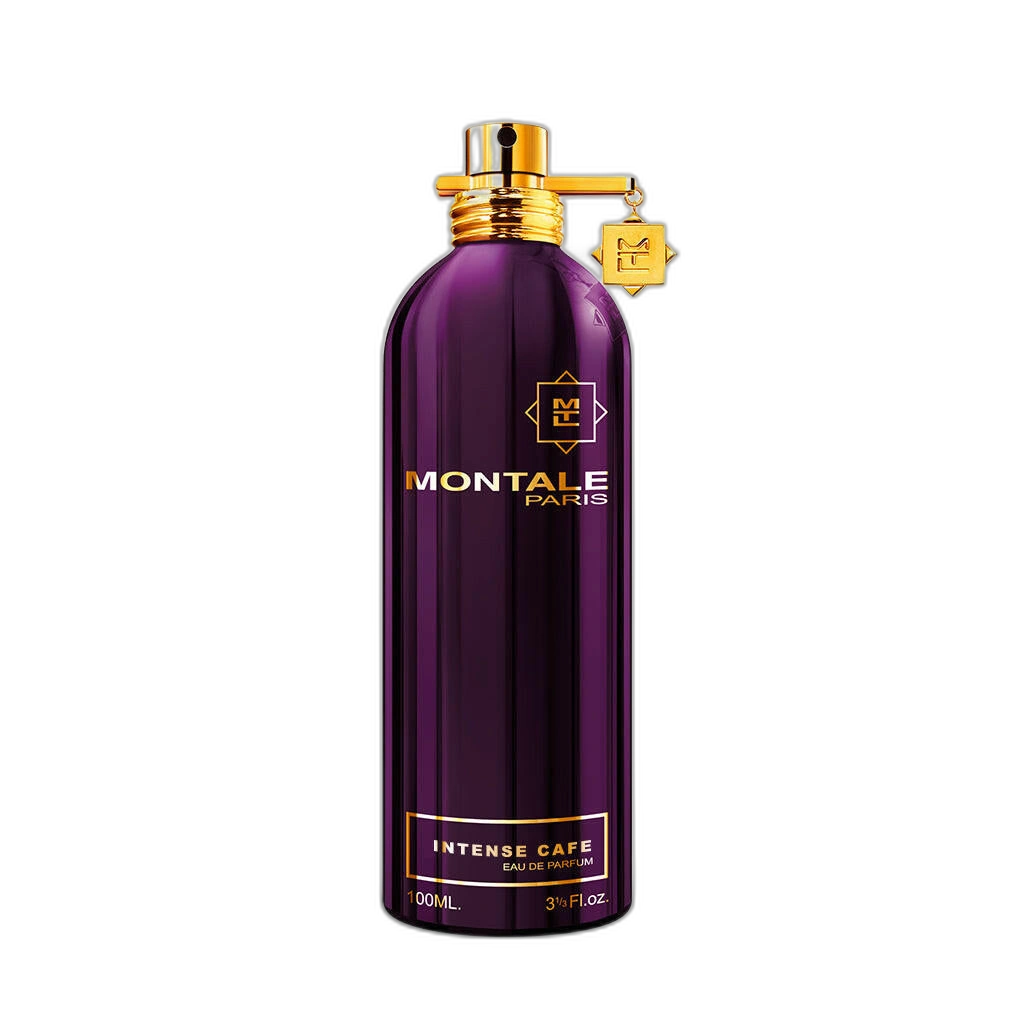
Soft or vanilla amber comes first, in the line of Shalimar. Spicy amber, driven by cinnamon, clove or pepper, is embodied by Opium and Youth Dew. Floral amber pairs heady flowers with a resinous base, as in Hypnotic Poison. Woody amber blends sandalwood, oud or patchouli into the warmth of the balsams. Finally, gourmand amber, born with Angel, adds praline, caramel or coffee, and has since become a family of its own. In our selection it is the second most represented family, which says a lot about its enduring appeal.
How to wear it
Ambers project strongly and last for hours. One or two sprays are enough, ideally on the nape or inside the elbow rather than on rubbed wrists. They bloom in cold weather, in the evening or outdoors. In summer, reach for lighter versions where the vanilla is lifted by citrus. Skin that is well moisturised holds them even better.