A short history
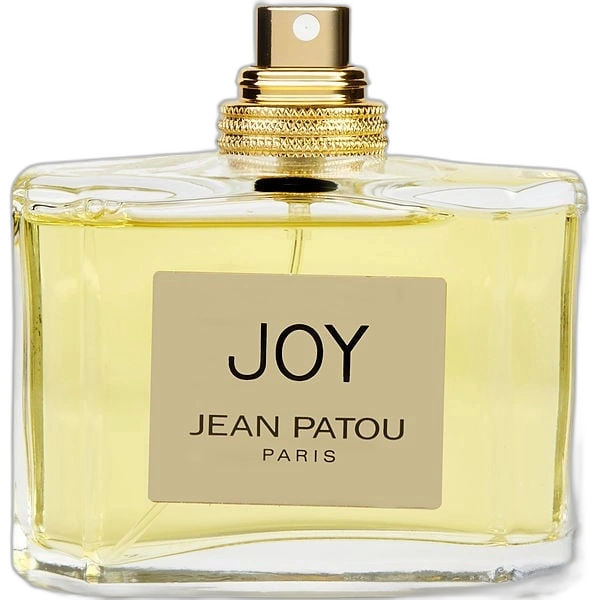
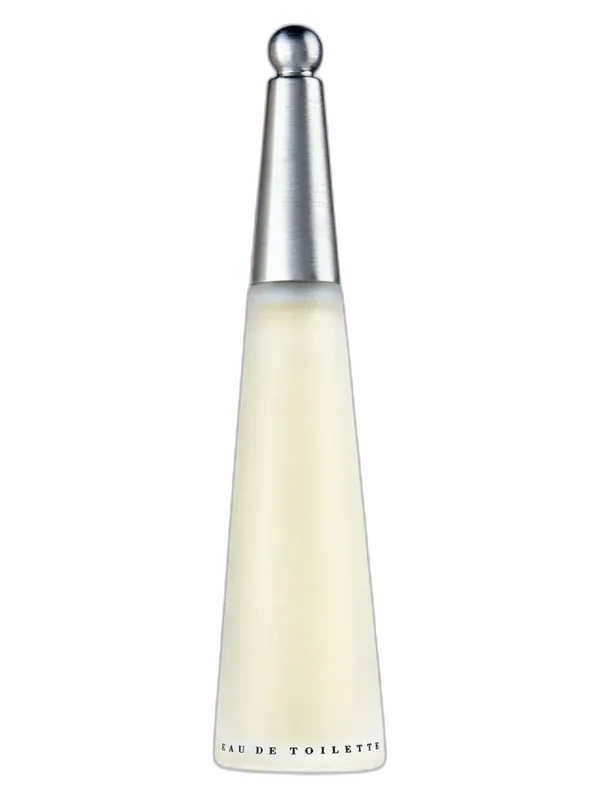
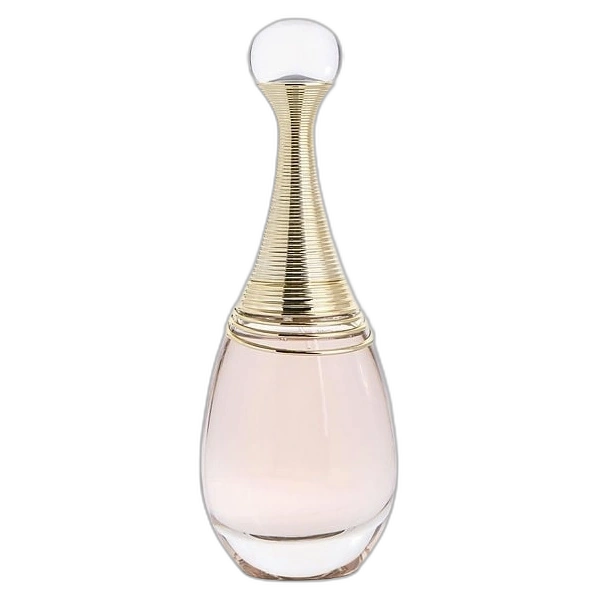
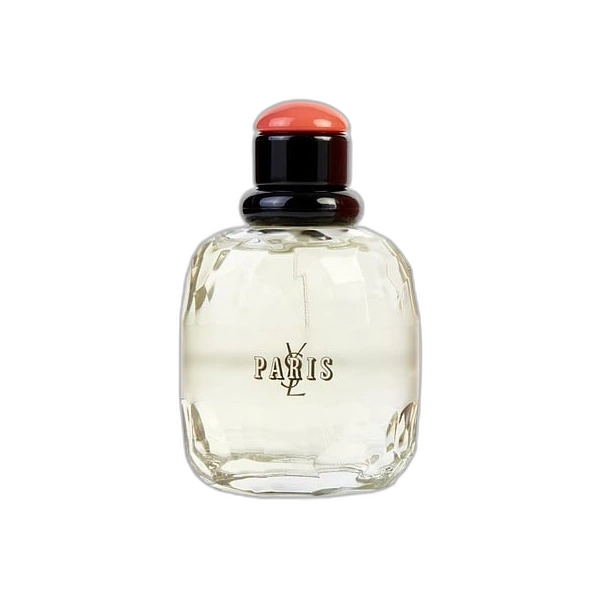
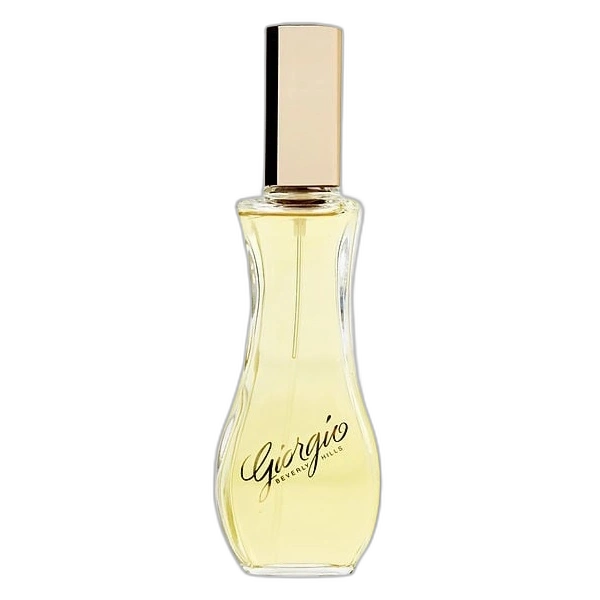
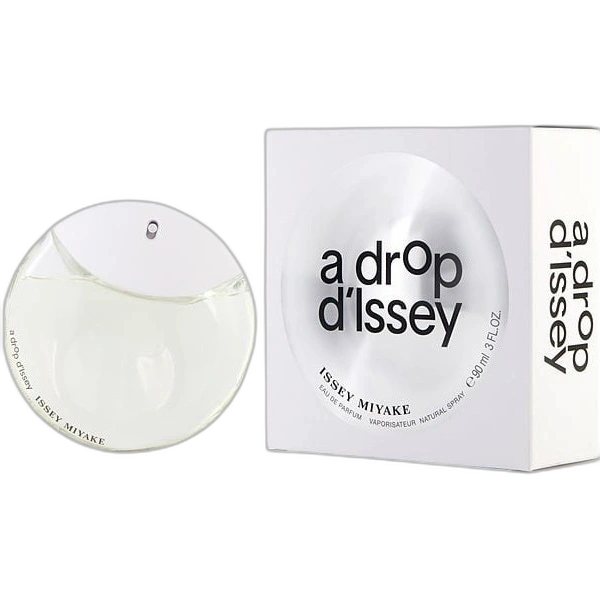
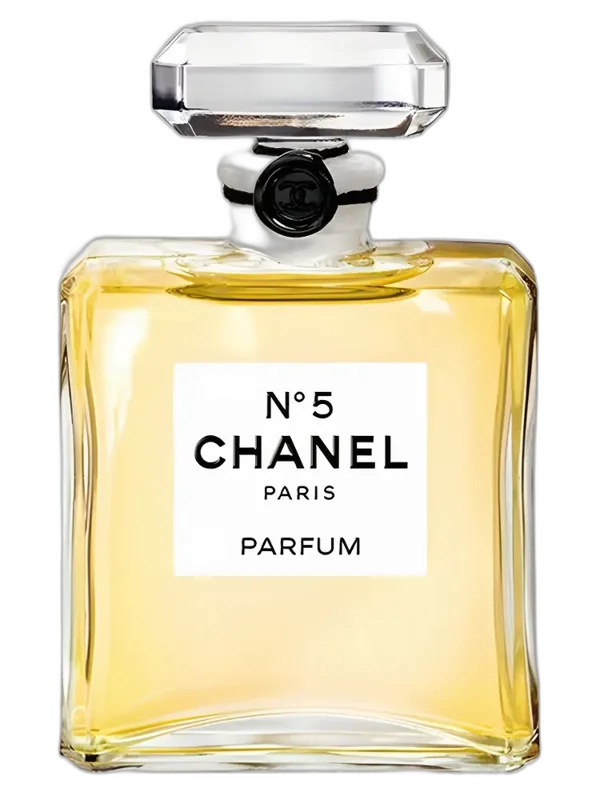
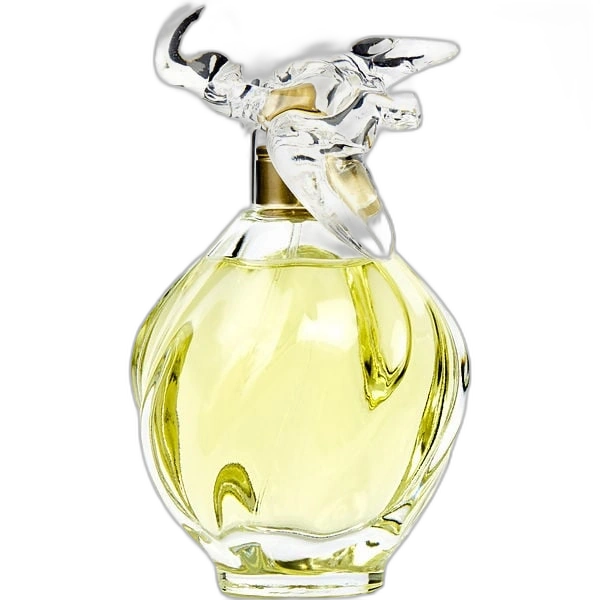
For centuries, perfuming meant capturing a single bloom: rosewaters, jasmine pomades from Grasse, the soliflores of the late nineteenth century. The break came in 1921 with Chanel N°5, composed by Ernest Beaux, where a dose of aldehydes dissolved rose and jasmine into a glowing abstraction. The flower stopped being a portrait and became an idea. Patou answered in 1930 with Joy, saturated with rose and jasmine, and Nina Ricci brought the spiced carnation softness of L'Air du Temps in 1948. That same year, Germaine Cellier's Fracas for Robert Piguet defined the carnal tuberose. Later decades played with contrast: loud, sunlit florals in the 1980s with Giorgio and Paris, watery transparency in the 1990s with L'Eau d'Issey, then the golden bouquet of J'adore in 1999. Today the family keeps renewing itself through musk, fruit and sugar.
Sub-families
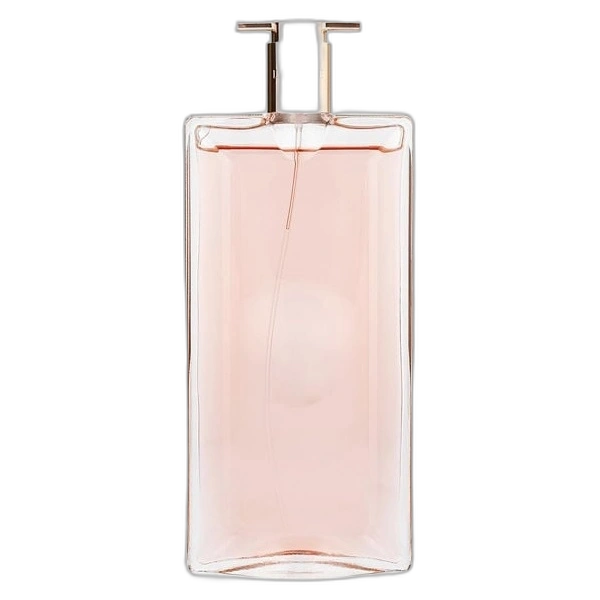
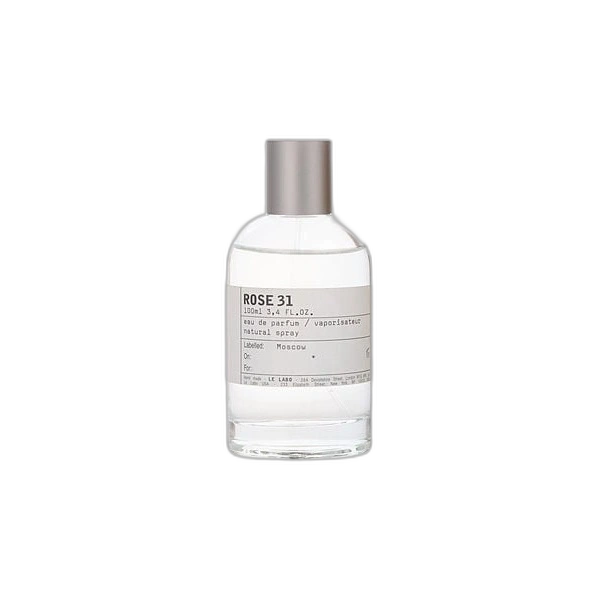
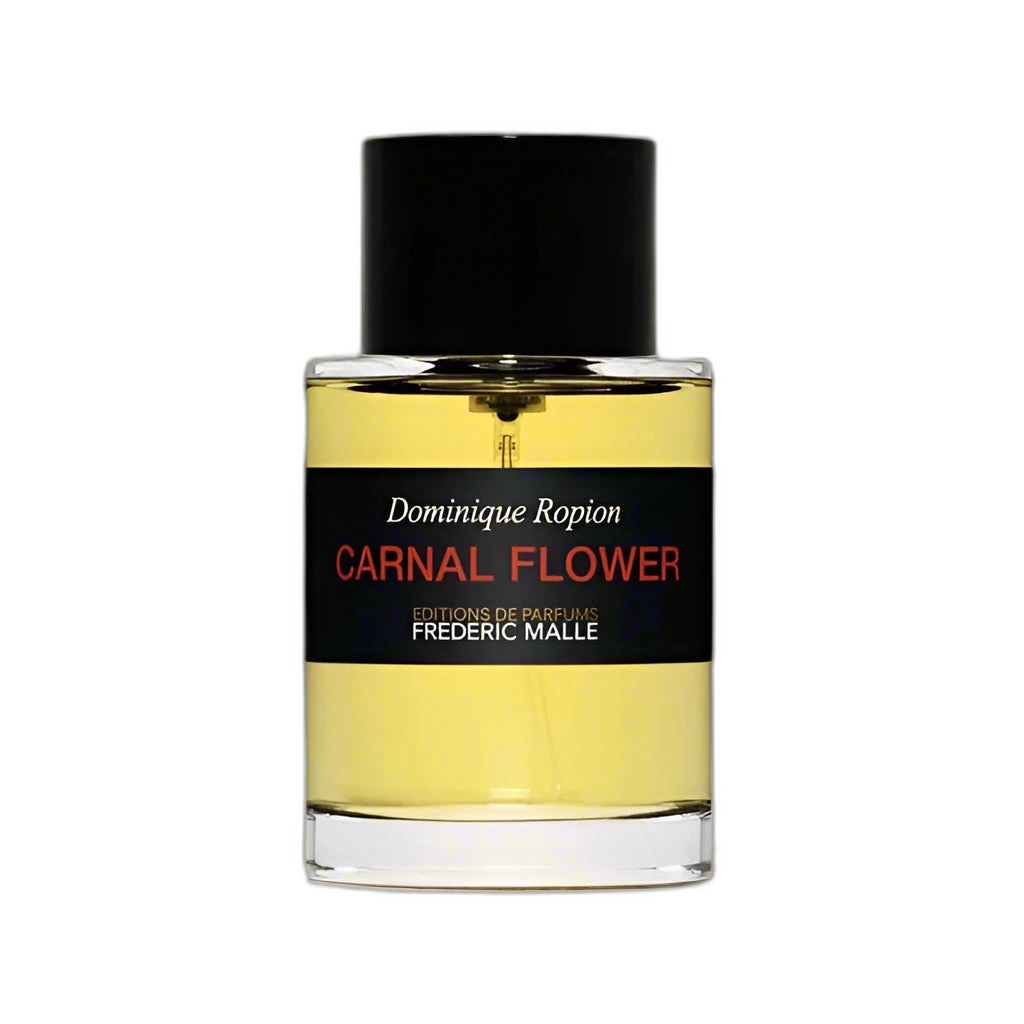
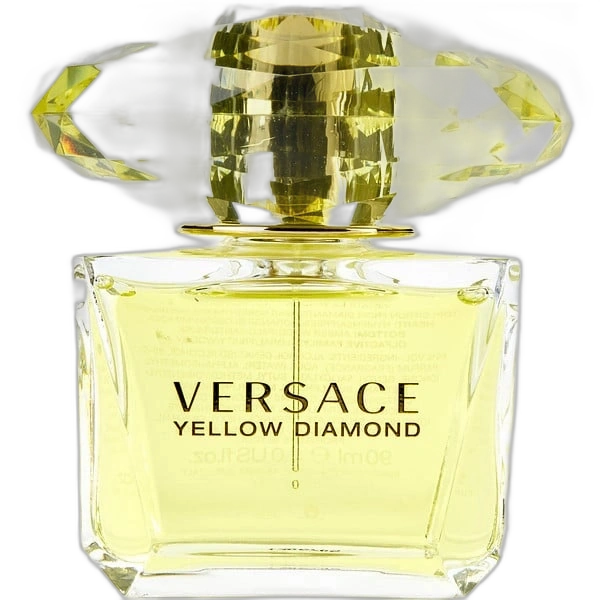
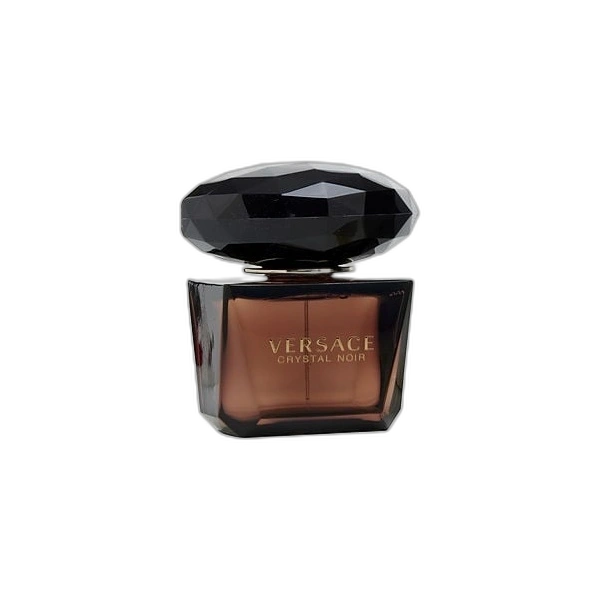
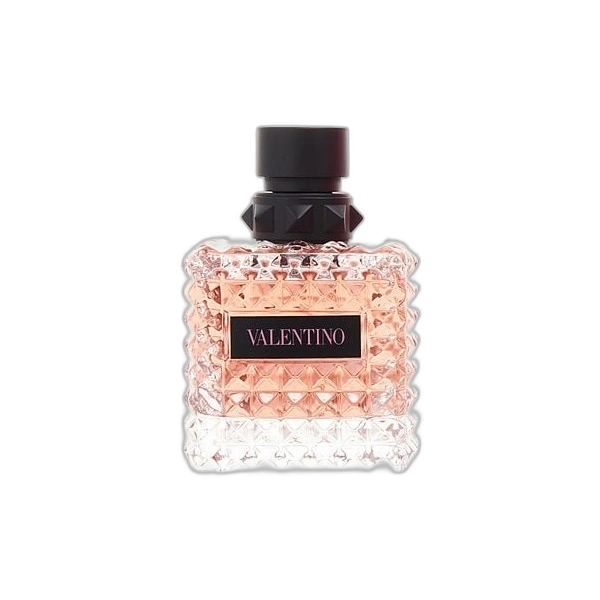
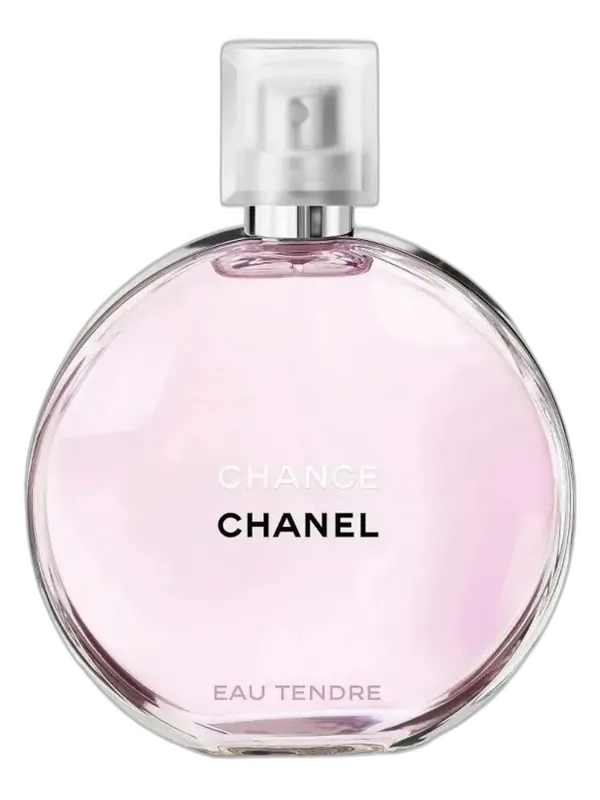
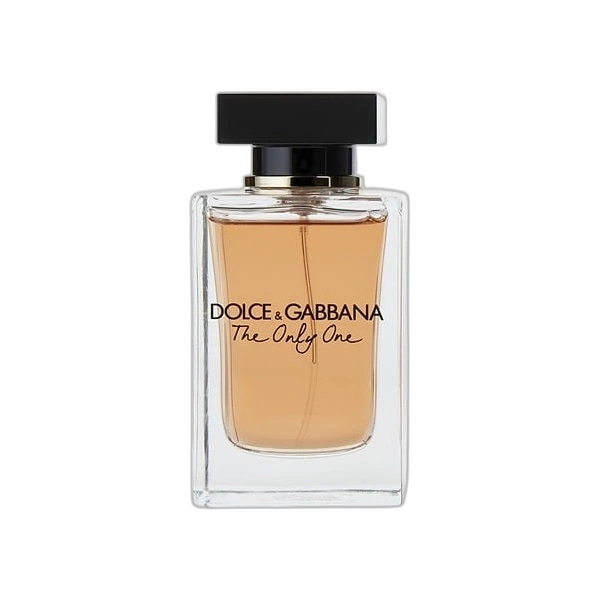
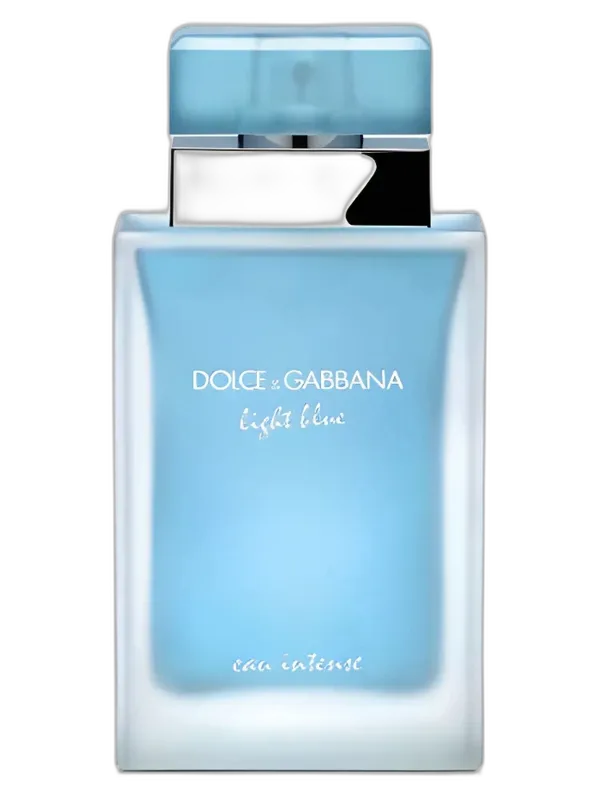
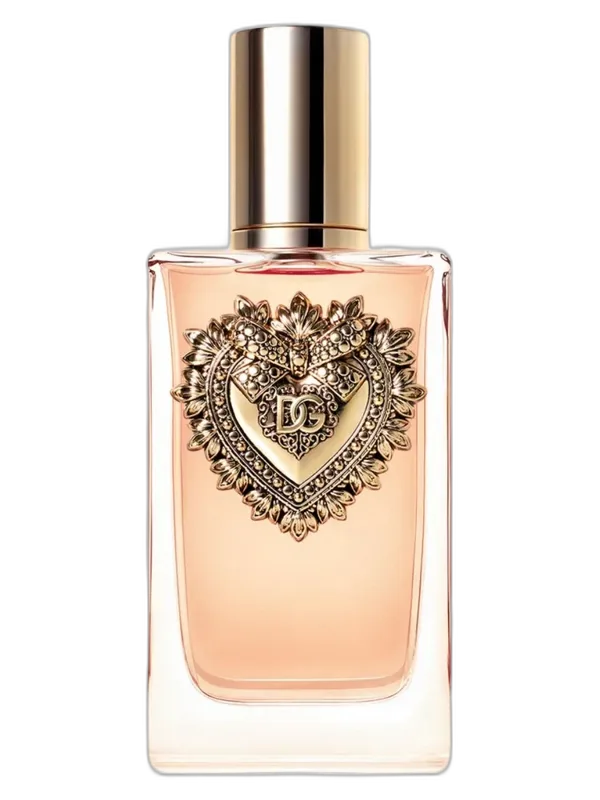
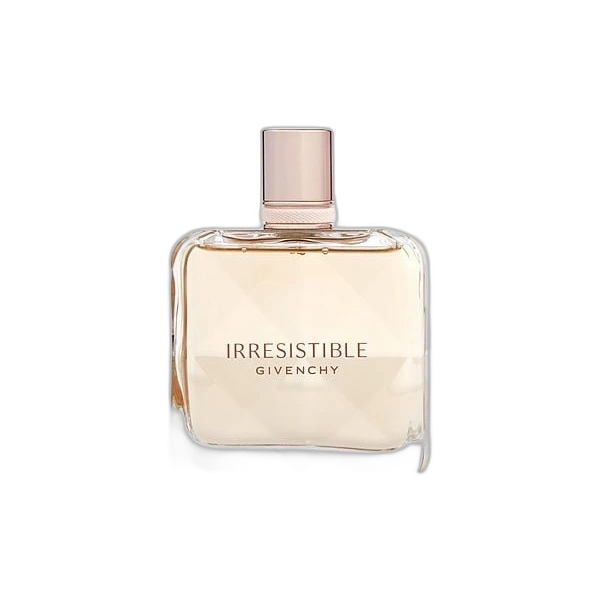
The floral family breaks down into several shades. Soliflores focus on a single flower, like Rose 31 or Carnal Flower. Floral bouquets blend several blooms with none taking the lead. Floral aldehydes, pioneered by N°5, add a soapy, fizzing brightness. White florals (tuberose, jasmine, gardenia, orange blossom) bring a creamy, sometimes indolic texture. Then come the modern hybrids that dominate current launches: fruity floral, musky floral, woody floral and gourmand floral. In our selection, these hybrids far outnumber the pure soliflores, a sign of how the family has been blended into almost every other style.
How to wear it
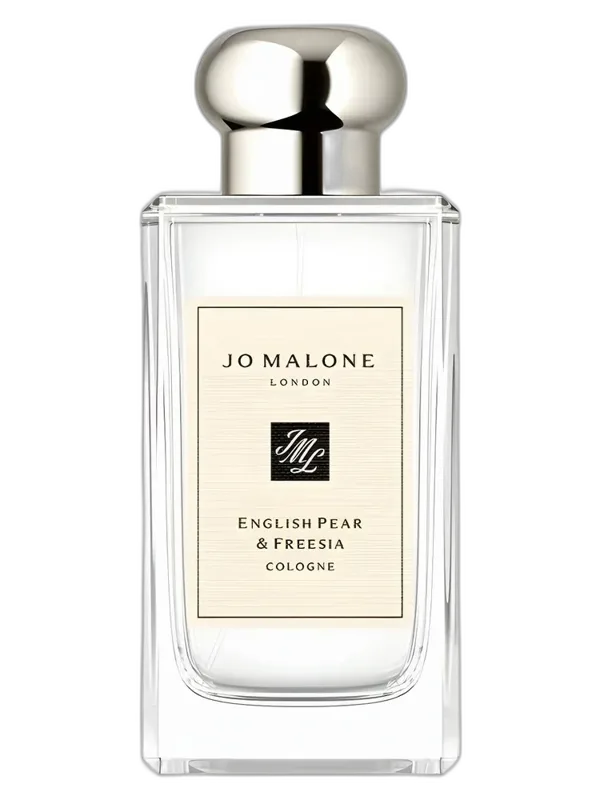
Pick a floral by its texture. Sheer lily of the valley, peony and freesia suit the office and hot days. Dense tuberose and jasmine are better kept for evenings, with two sprays at most. A rose lasts longer on a sweater or scarf than on skin, but test on an inconspicuous patch of fabric first.