A short history
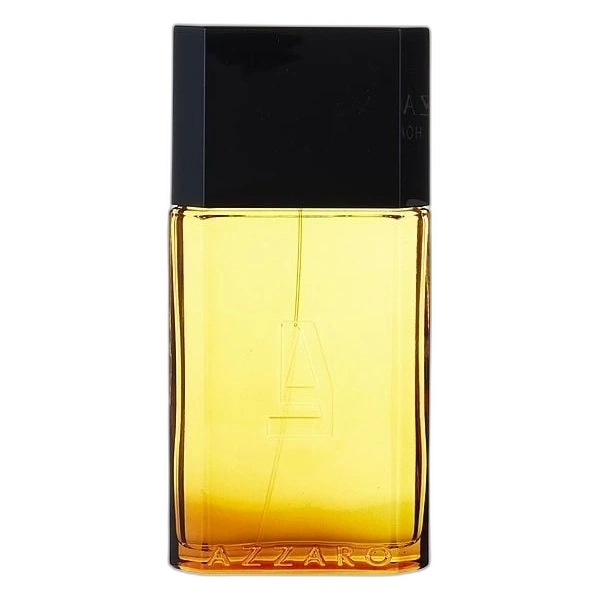
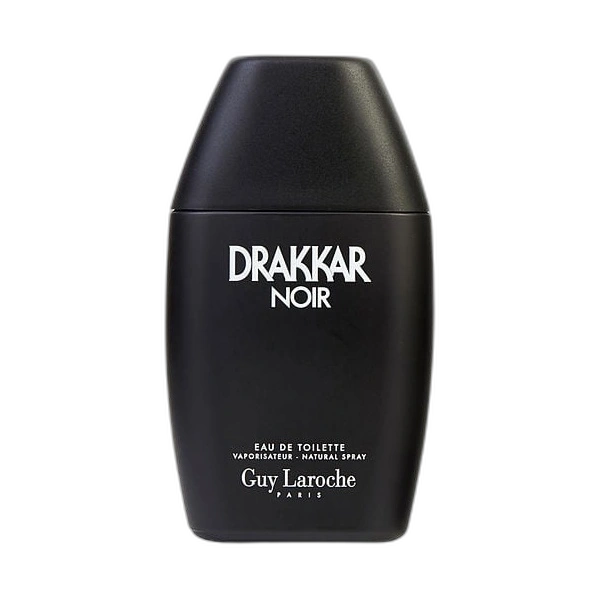
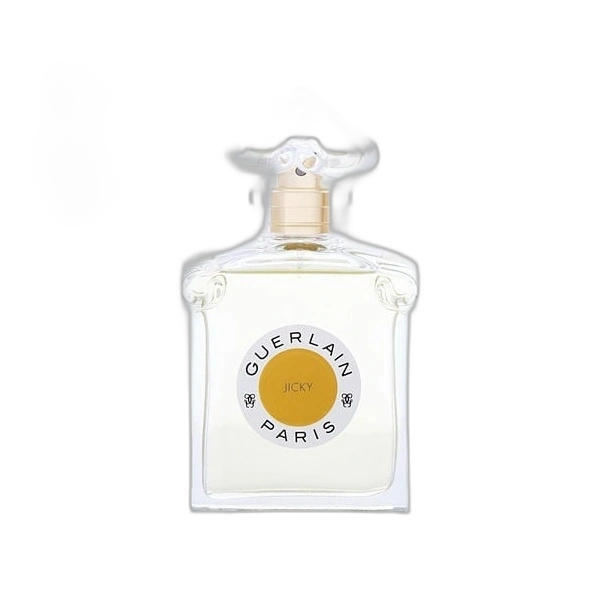
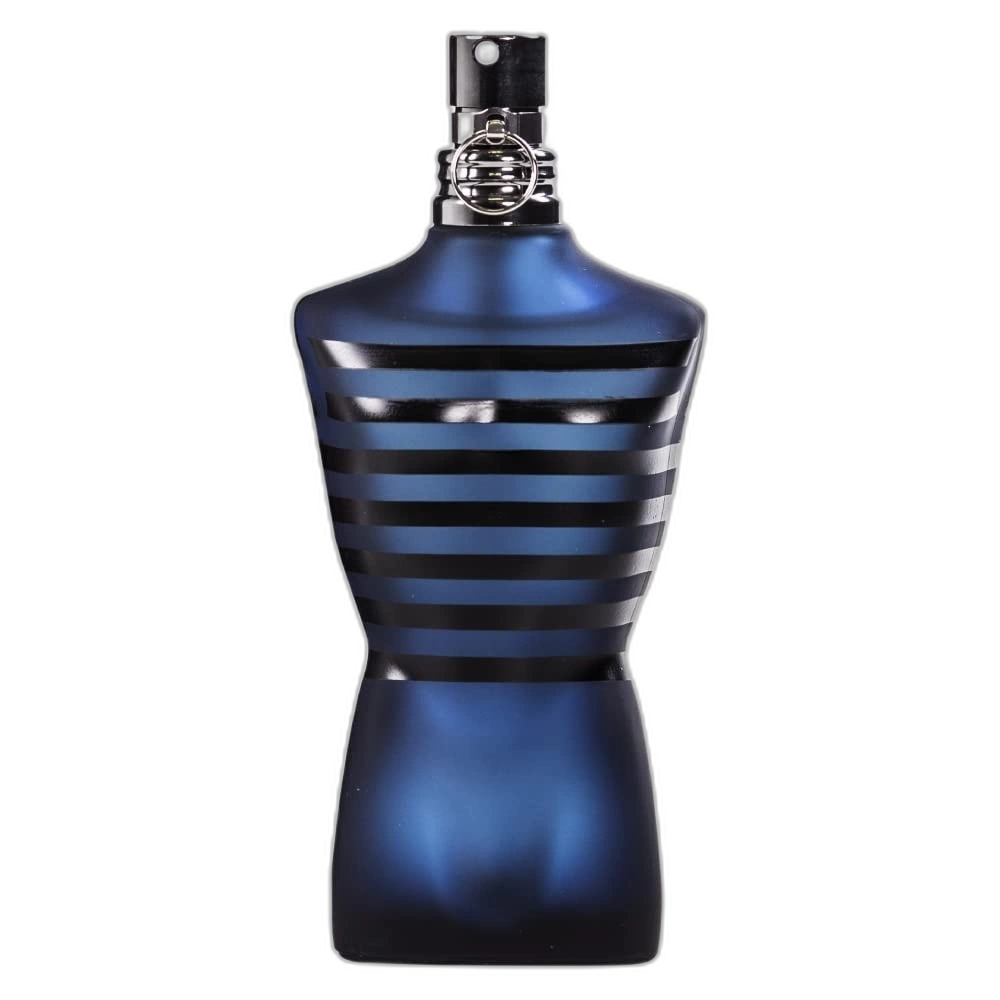
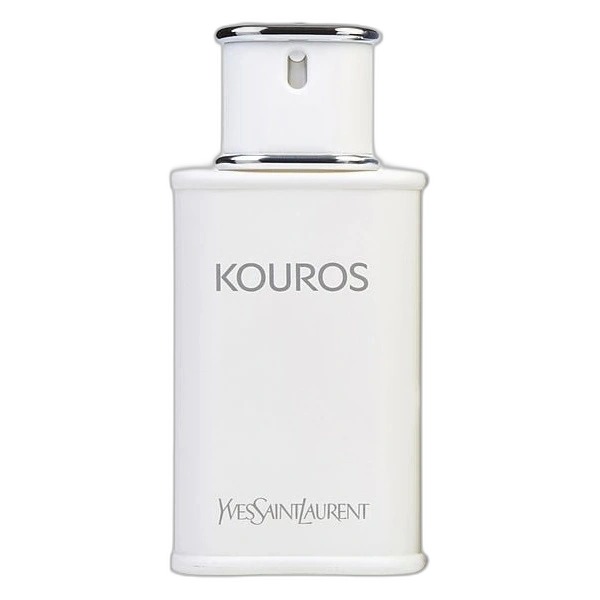
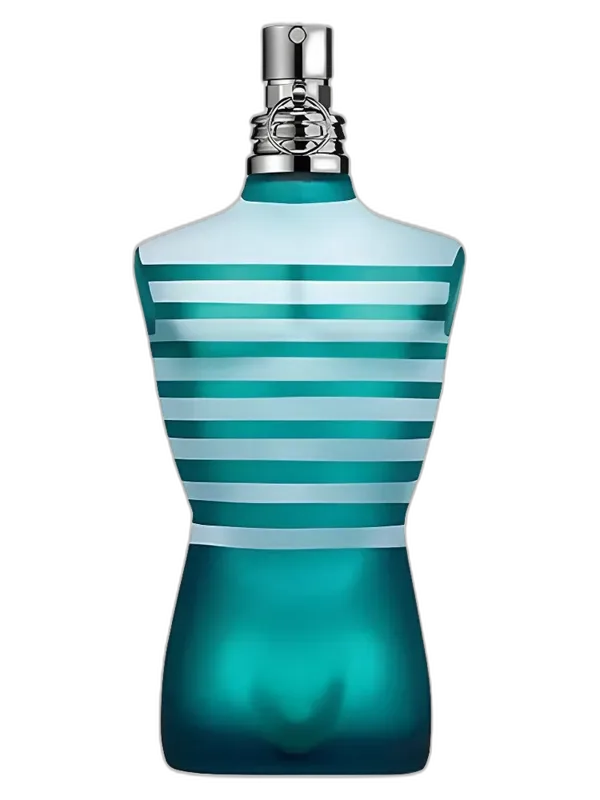
Its birth certificate dates from 1882, when Paul Parquet composed Fougère Royale for Houbigant using synthetic coumarin, a molecule that smells of cut hay and tonka bean. The lavender and coumarin pairing became the family's signature, and Guerlain's Jicky offered a more ambery take in 1889. In the twentieth century, fougère took over the men's bathroom, from the barber's chair to shaving foam. The late 1970s and the 1980s made it the language of masculinity: Azzaro pour Homme in 1978, Kouros in 1981, Drakkar Noir in 1982. In 1988, Pierre Bourdon's Cool Water for Davidoff invented the aquatic fougère. In 1995, Jean Paul Gaultier's Le Mâle, by Francis Kurkdjian, poured vanilla into the mix and made lavender openly seductive for a new generation.
Sub-families
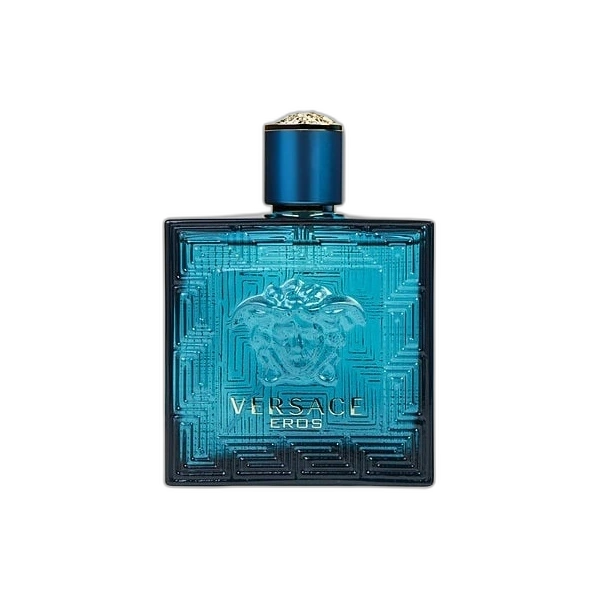
Classic or aromatic fougères blend lavender, herbs and moss, like Azzaro pour Homme. Amber fougères add vanilla, tonka and spice, in the manner of Jicky or Le Mâle. Aquatic fougères, born with Cool Water, lean on marine freshness and dihydromyrcenol. Woody fougères are drier, relying on vetiver and cedar. Fruity or sweet fougères now dominate shop shelves with apple, pineapple or vanilla, as in Versace Eros. Whatever the variation, a thread of lavender and coumarin usually runs through the composition and keeps it recognisable.
How to wear it
Fougère is a byword for clean freshness, ideal in the morning and at work. Aquatic fougères shine in warm weather, while denser amber versions take over for evenings and winter. Two or three sprays on the chest and neck are plenty; avoid layering it over a heavily scented shower gel.