A short history
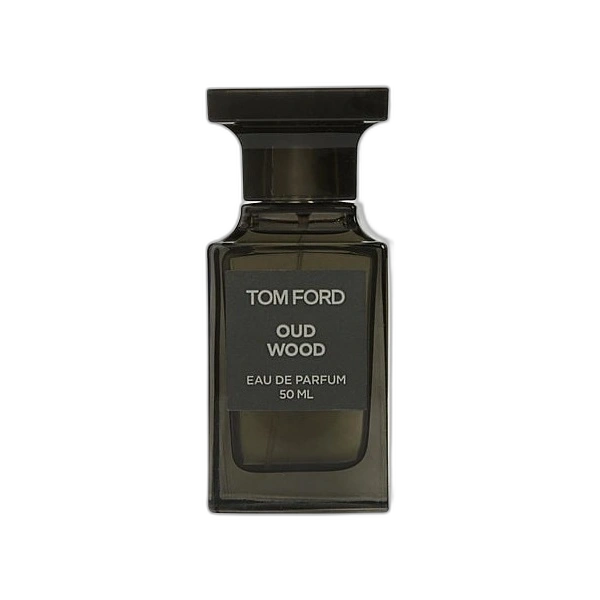
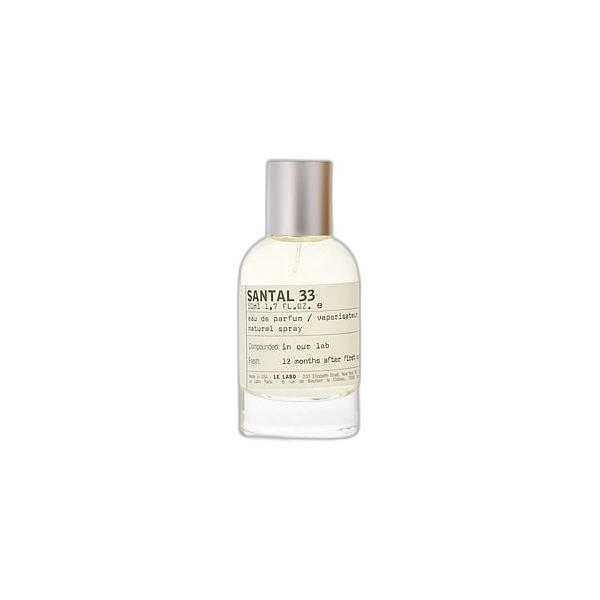
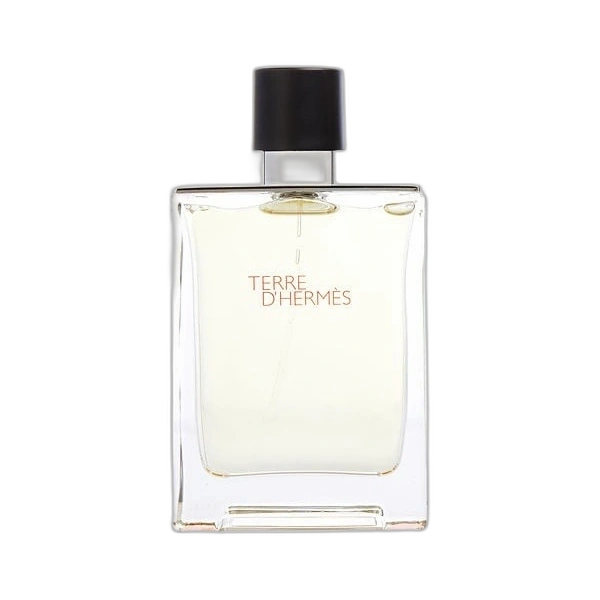
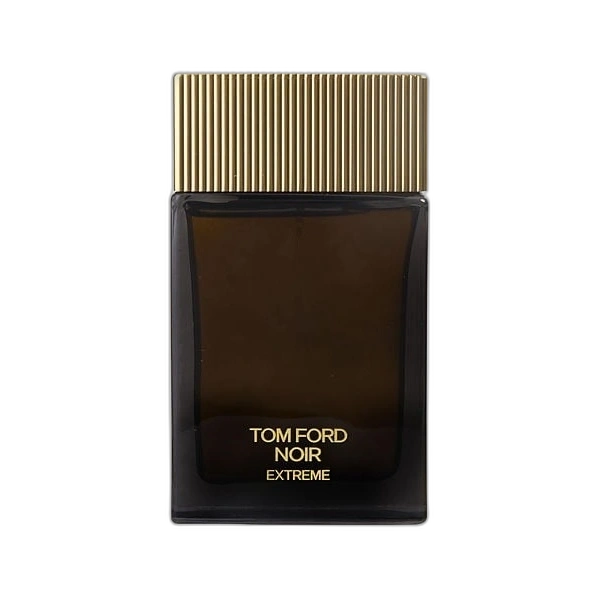
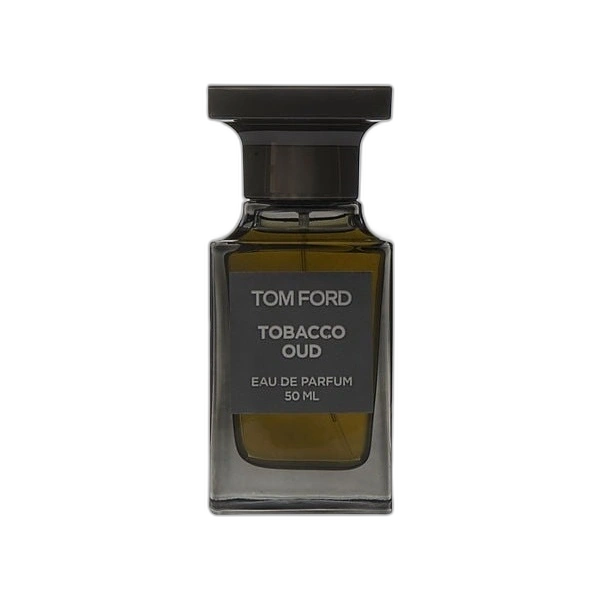
Woods have always served as the base of perfumes, but they became the main subject in the twentieth century. Milky Mysore sandalwood and vetiver from Haiti or Java fed the great classics, and Guerlain's Vetiver made the earthy root a masculine signature in 1959. In 1992, Féminité du Bois, created for Shiseido by Pierre Bourdon and Christopher Sheldrake, proved that a cedar candied with spice and fruit could be worn by women. The 2000s sped things up: Jean-Claude Ellena's Terre d'Hermès in 2006 paired orange, flint and vetiver; Molecule 01 isolated Iso E Super, a velvety, almost invisible wood; Tom Ford's Oud Wood in 2007 brought oud to Western audiences. Le Labo's Santal 33, in 2011, turned dry, smoky Australian sandalwood into a generational marker.
Sub-families
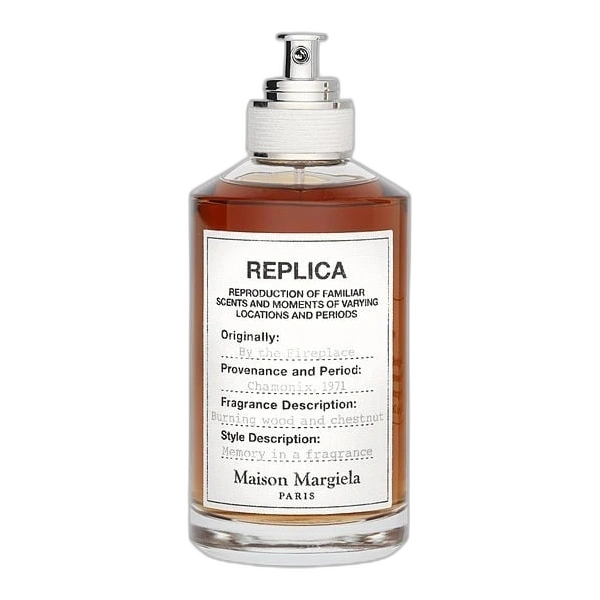
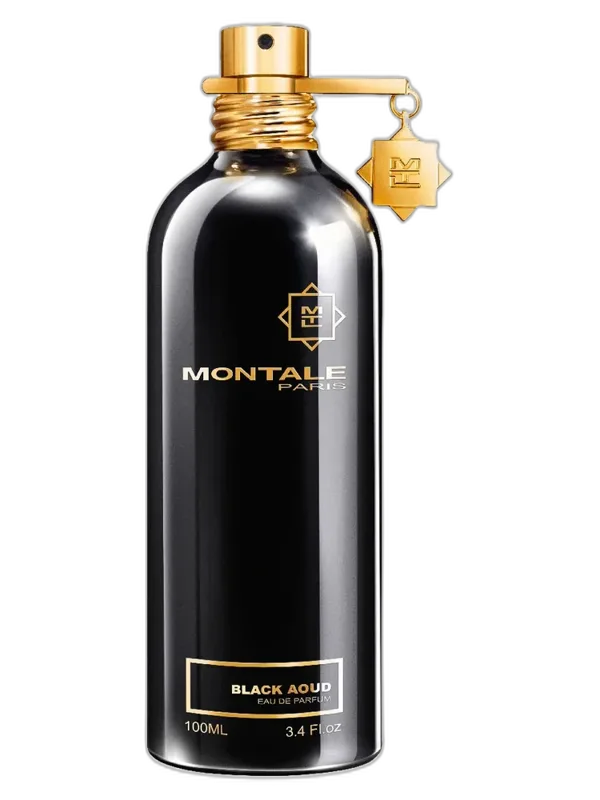
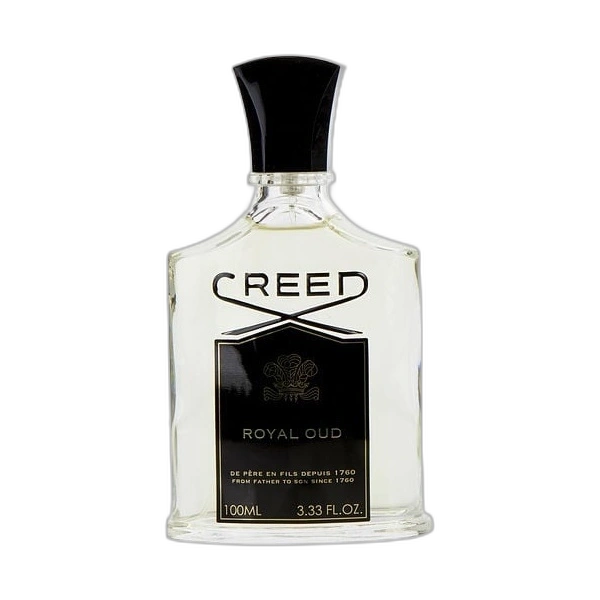
Dry woods put cedar and vetiver forward, with a pencil-shaving or soil feel, as in Terre d'Hermès. Creamy woods rely on sandalwood, milky and soft. Amber woods blend timber with resinous warmth, like Baccarat Rouge 540. Smoky woods and oud, drawn from Middle Eastern tradition, explore leather, incense and burnt wood. Aromatic woods, finally, pair timber with herbs, a staple of fresh men's fragrances. Many modern perfumes combine several of these registers, opening on dry cedar and settling into creamy sandalwood. The same wood can also change character entirely depending on its origin and extraction method.
How to wear it
Woods are the most versatile notes in perfumery. A dry vetiver or cedar works at the office all year round, while creamy sandalwood or oud is better suited to evenings and winter. Woods cling well to moisturised skin, so apply them after a shower while the skin is still slightly damp.