The story of Yves Saint Laurent
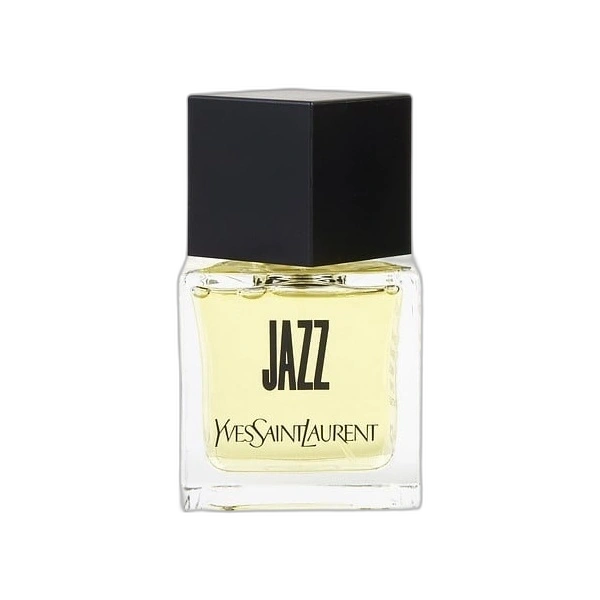
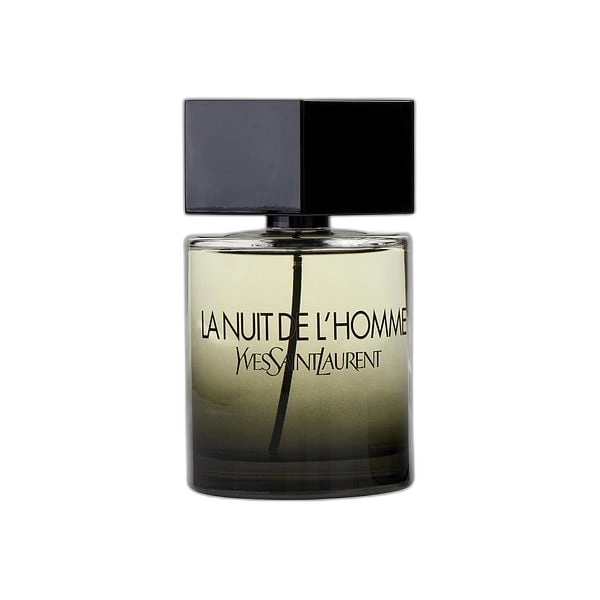
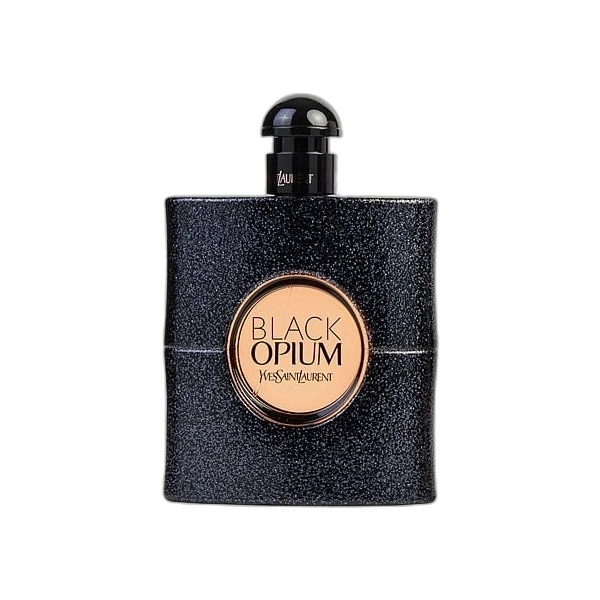
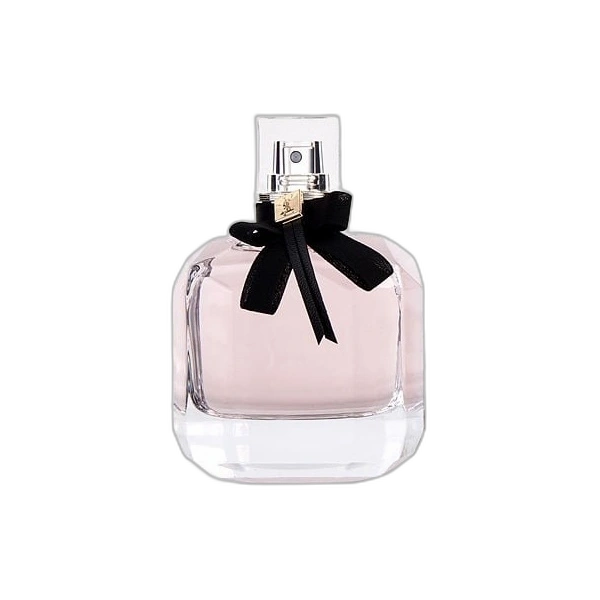
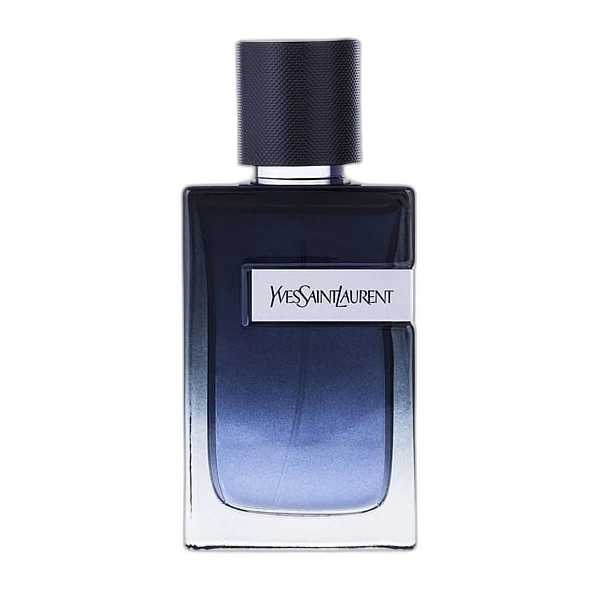
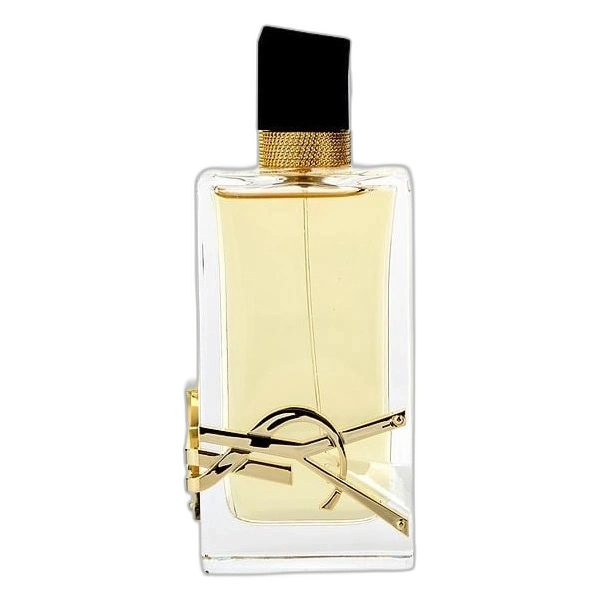
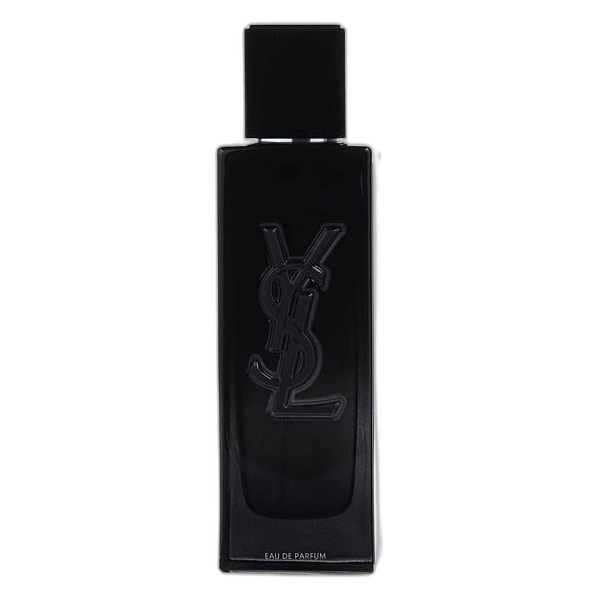
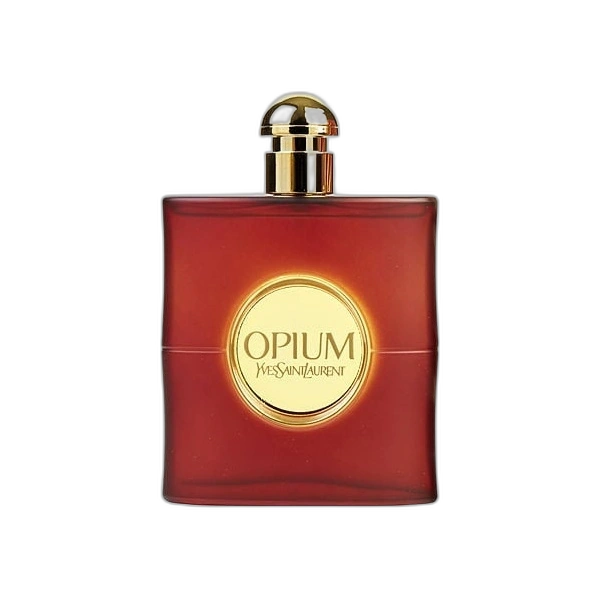
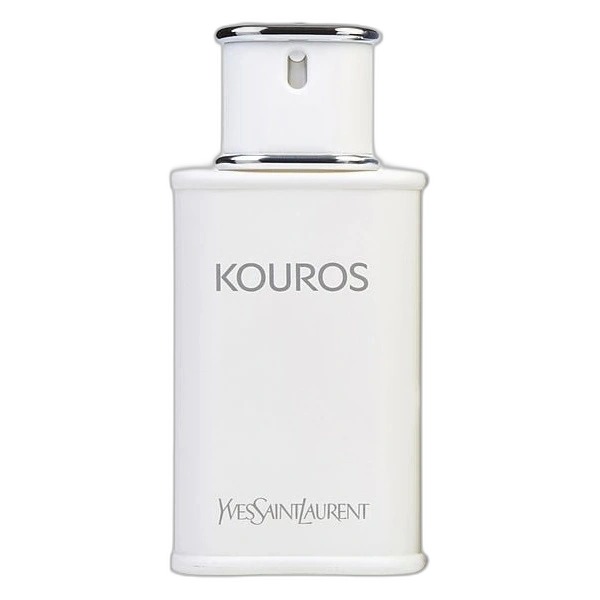
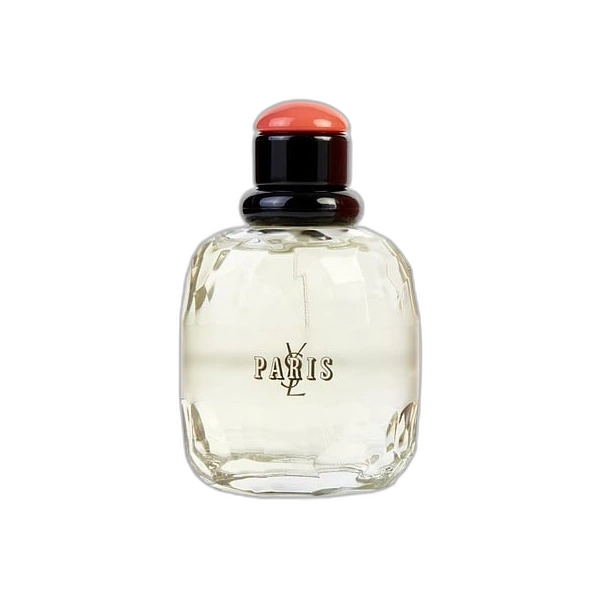
Yves Saint Laurent and Pierre Bergé founded their house in 1961. The couturier transformed fashion with the women's tuxedo, the safari jacket and Rive Gauche ready-to-wear. The first fragrance, Y, arrived in 1964. In 1977 Opium caused a scandal with its name and introduced an opulent spicy oriental. Kouros, in 1981, composed by Pierre Bourdon, shocked as much as it fascinated with its animalic base. Paris, in 1983, celebrated rose and violet, followed in 1988 by Jazz, an elegant fougère. YSL Beauté has belonged to the L'Oréal group since 2008. The house then built a run of successes: La Nuit de l'Homme in 2009, Black Opium in 2014, Mon Paris in 2016, a men's Y in 2017, Libre in 2019 and MYSLF in 2023. Tuxedo, in 2015, joined the Le Vestiaire des Parfums collection, inspired by the couturier's iconic garments.
An olfactory signature
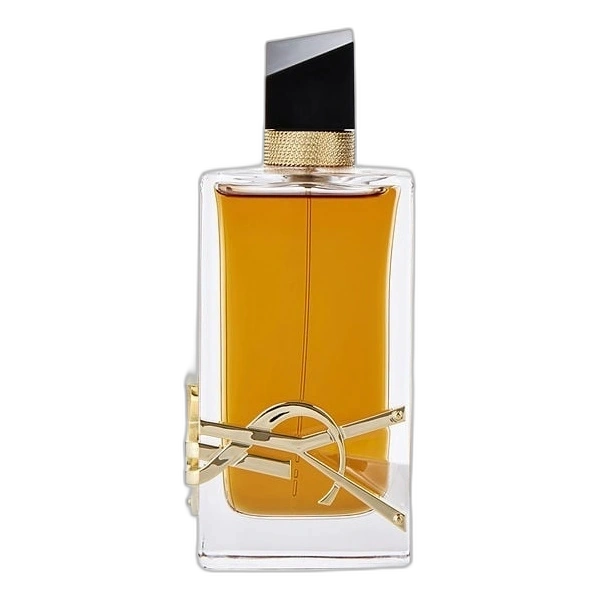
YSL cultivates daring and contrast. Opium blends plum, clove, carnation and ambery vanilla; Black Opium translates it into coffee, orange blossom and vanilla. Libre pairs lavender and orange blossom over vanilla, somewhere between fougère and floral. Kouros layers aldehydes, artemisia, civet and honey. La Nuit de l'Homme plays cardamom and lavender, Y apple and sage, MYSLF orange blossom and ambroxan. Tuxedo, finally, pairs patchouli with black violet. The through line is attitude as much as any single accord.
Which Yves Saint Laurent perfume to choose?
For women, Black Opium suits lovers of coffee-vanilla gourmands, Libre and Libre Intense those who enjoy a warm floral lavender, and Mon Paris fans of fruity scents. Opium and Paris are for classic enthusiasts. For men, Y is the most versatile, La Nuit de l'Homme the most seductive for evenings, MYSLF the most floral. Kouros and Jazz are historic fougères; the unisex Tuxedo is an elegant patchouli.