A short history
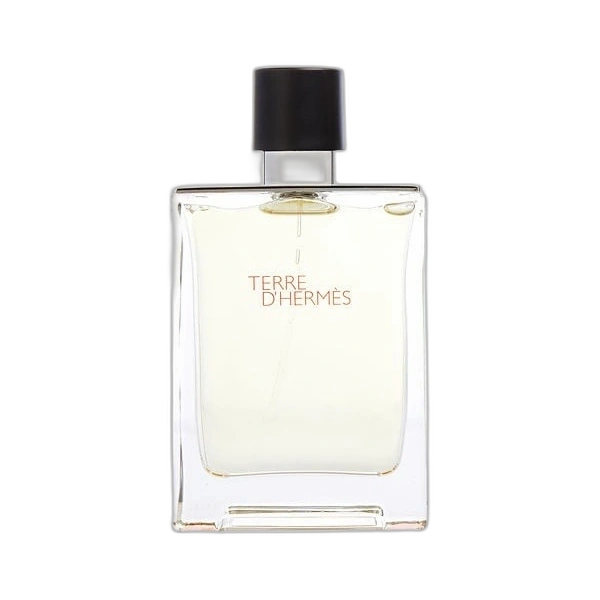
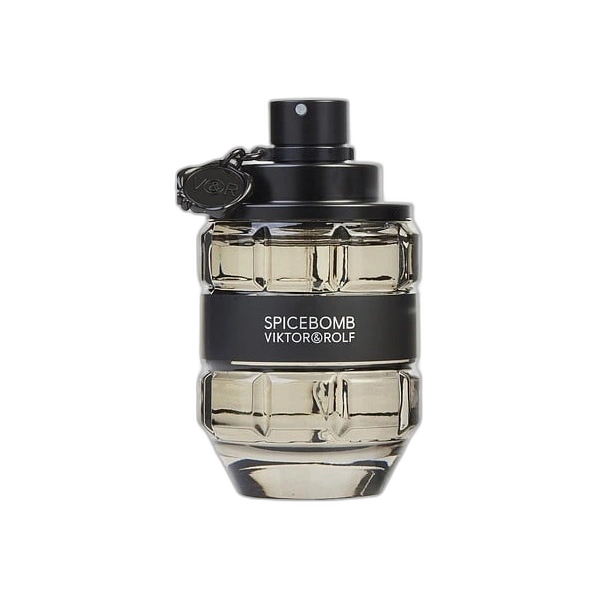
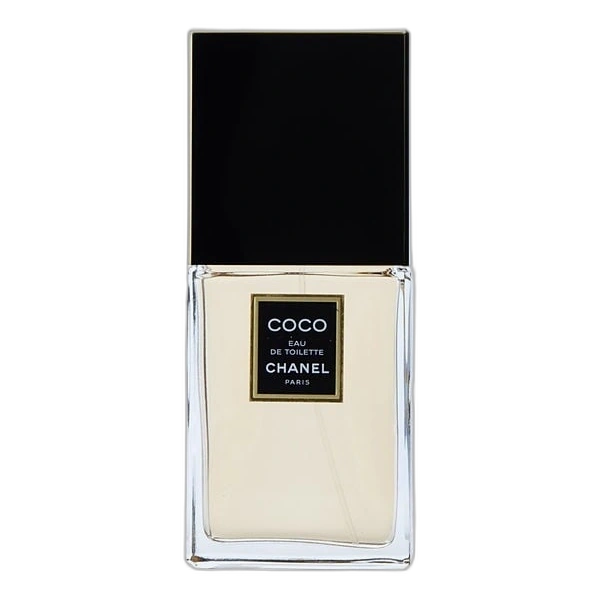
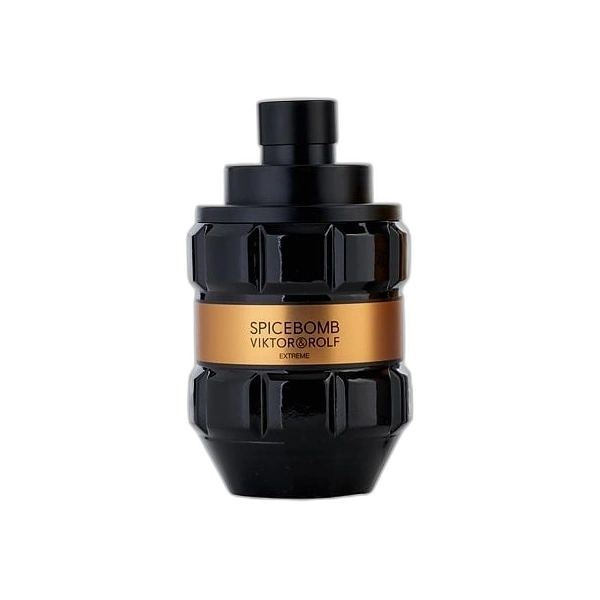
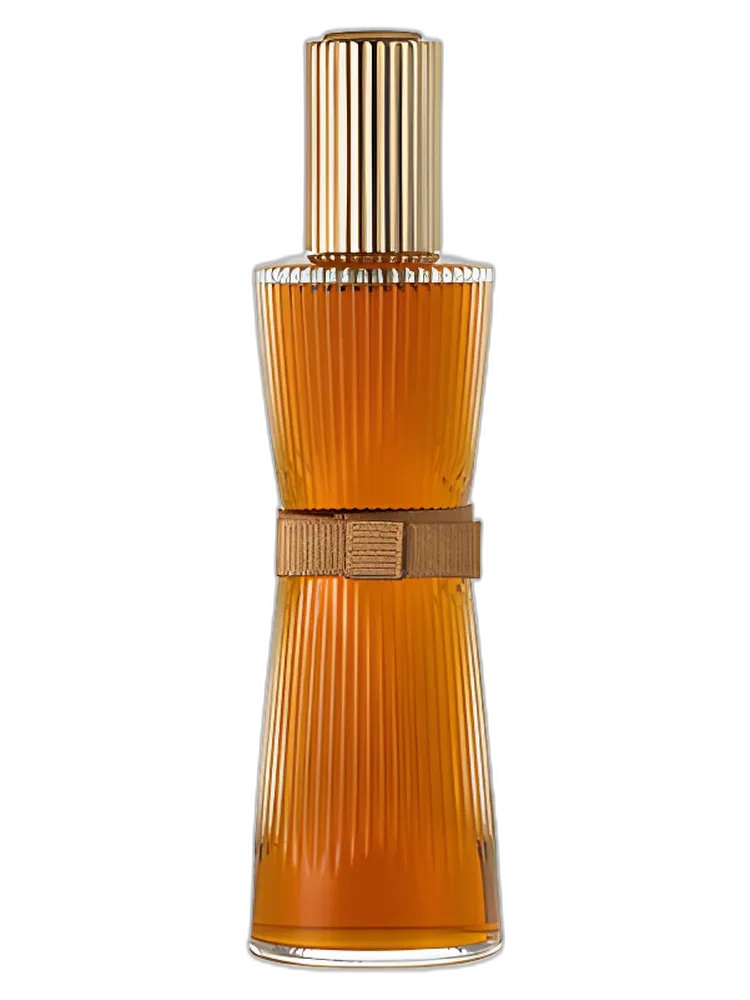
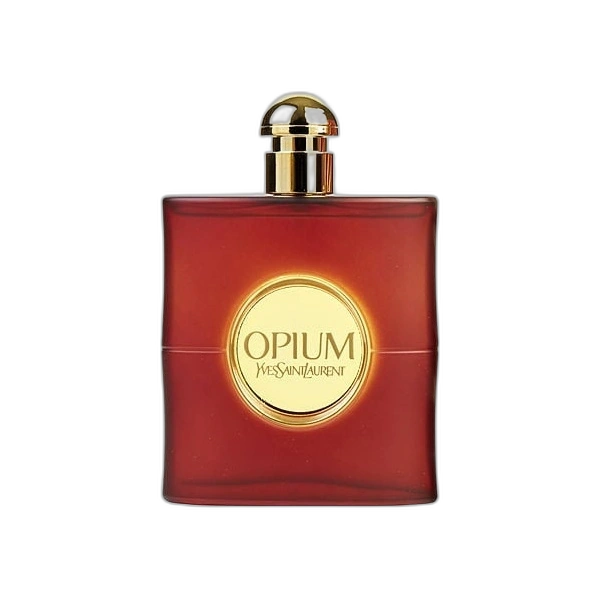
Spices were among the first aromatic materials traded by humankind, long before modern perfumery. In perfumes they first appeared as accents: the carnation of L'Air du Temps owes much to eugenol, the molecule of clove. In 1953, Estée Lauder's Youth Dew laid down a dense, spicy, resinous base that left its mark on America. Yves Saint Laurent's Opium, composed by Jean Amic and Jean-Louis Sieuzac in 1977, turned clove and carnation into a statement. Chanel's Coco, in 1984, continued in that baroque vein. The 2000s discovered cool spices: the pepper of Terre d'Hermès, the cardamom and ginger of modern men's scents. Viktor & Rolf's Spicebomb, in 2012, even turned the idea into a name and a concept, while niche houses explored saffron, often paired with leather and oud.
Sub-families
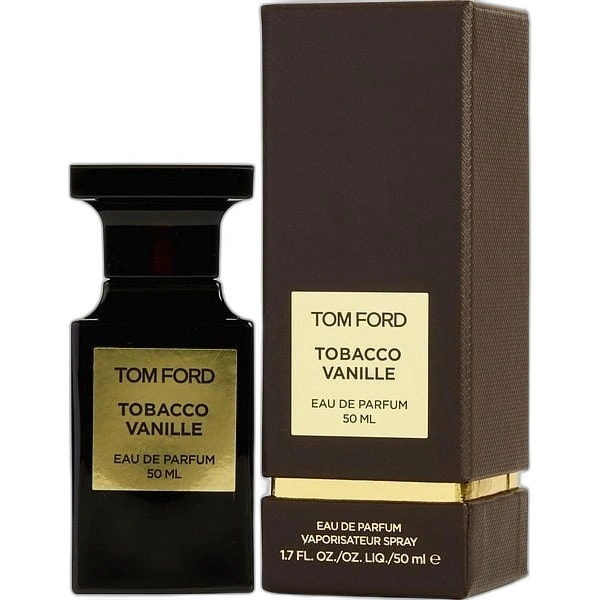
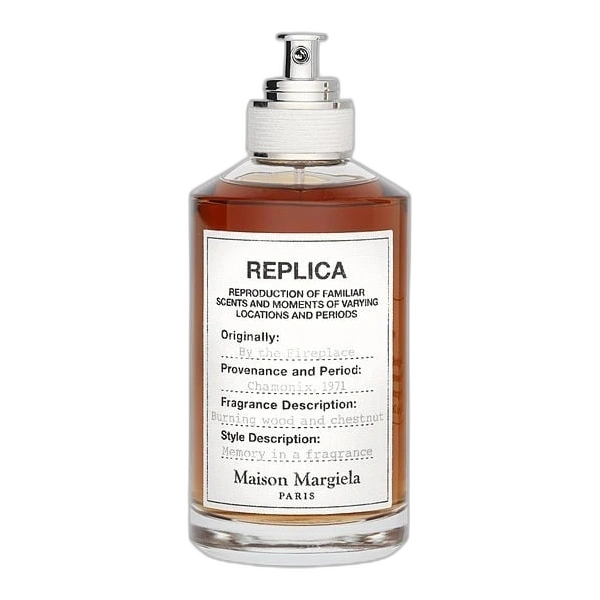
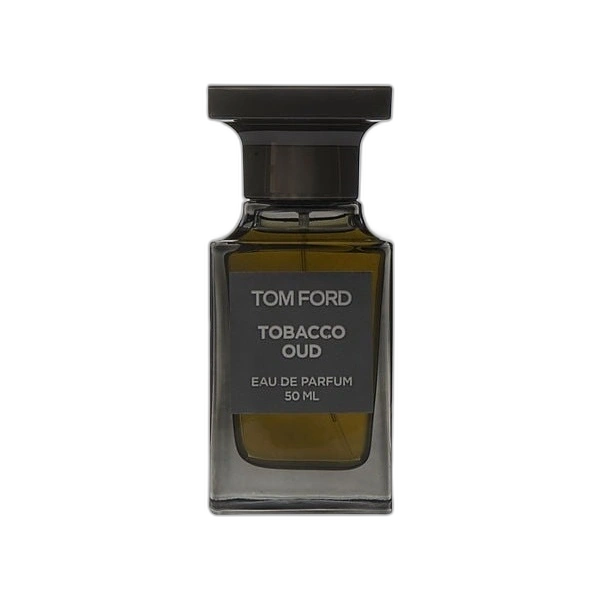
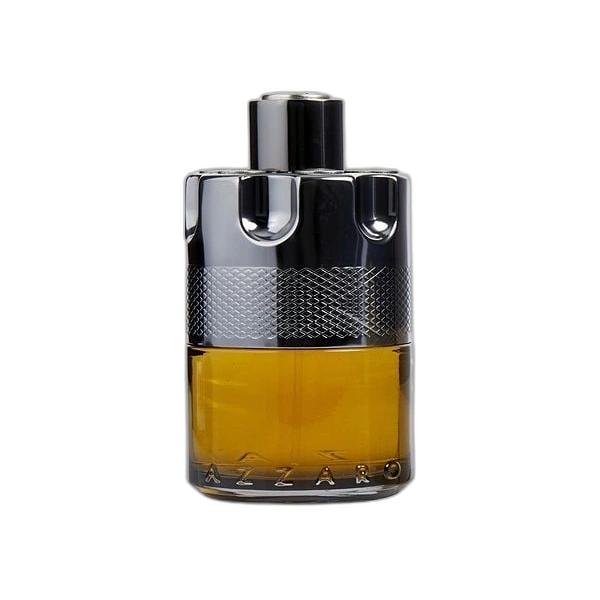
Warm spices such as cinnamon, clove and nutmeg pair with vanilla and resins in spicy ambers like Opium. Cool spices such as pink pepper, cardamom and ginger bring a sparkling liveliness to woody and aromatic perfumes. Saffron, leathery and metallic, has become a marker of niche perfumery. Floral spices, such as carnation, combine eugenol with petals. Gourmand spices, finally, accompany gingerbread, tobacco or rum, in the line of Tobacco Vanille or By the Fireplace. Most spicy perfumes combine warm and cool spices for balance.
How to wear it
Warm spices belong to autumn and winter evenings, applied sparingly: one or two sprays. Cool spices such as pepper and cardamom work all year round and at the office. On wool clothing, a spicy note holds its warmth for a long time, which is a pleasant effect in cold weather.