The story of Paco Rabanne
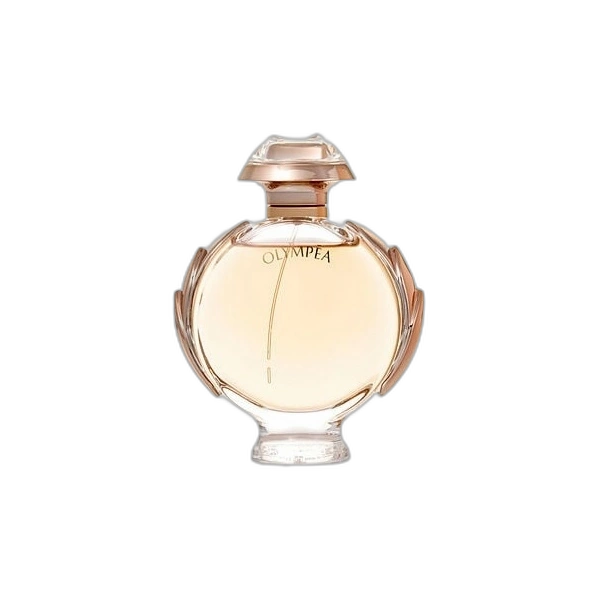
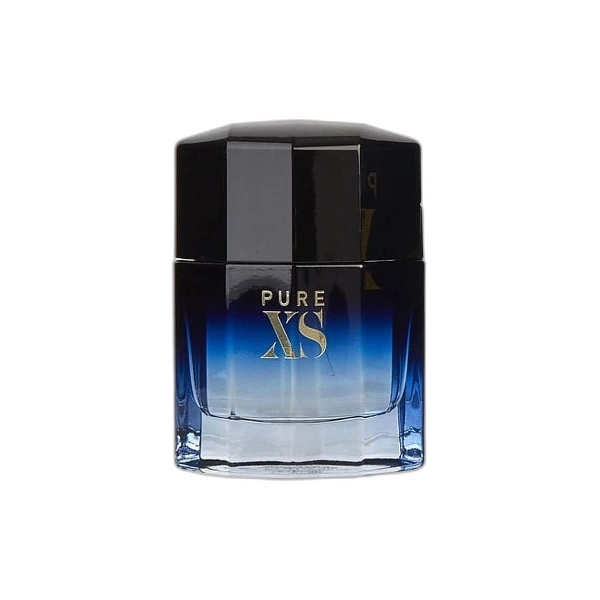
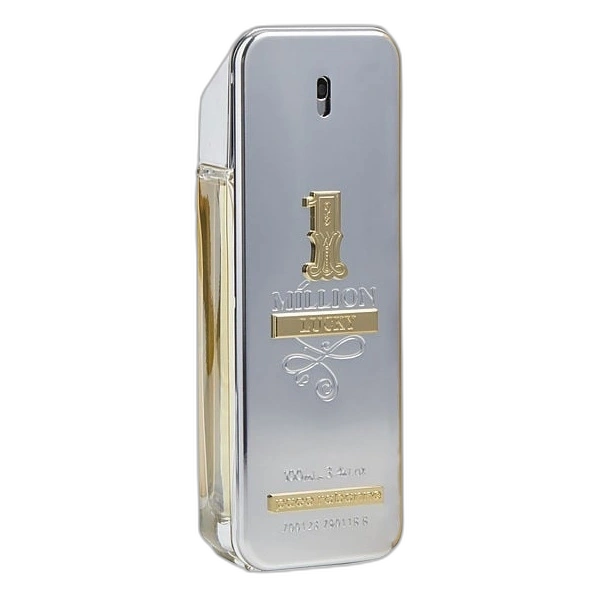
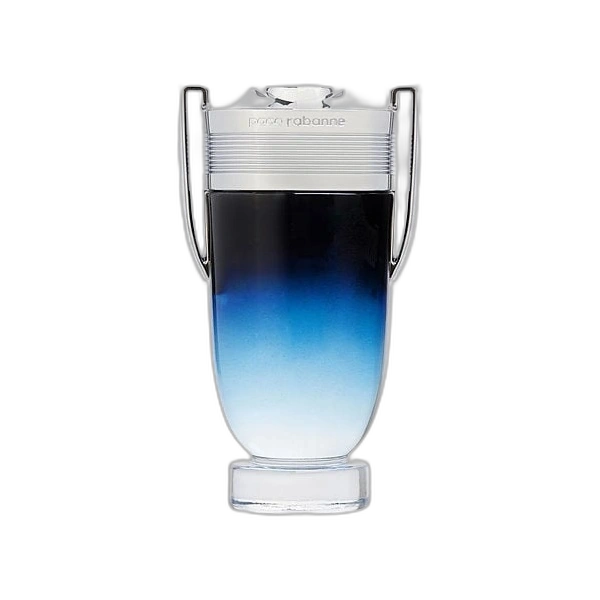
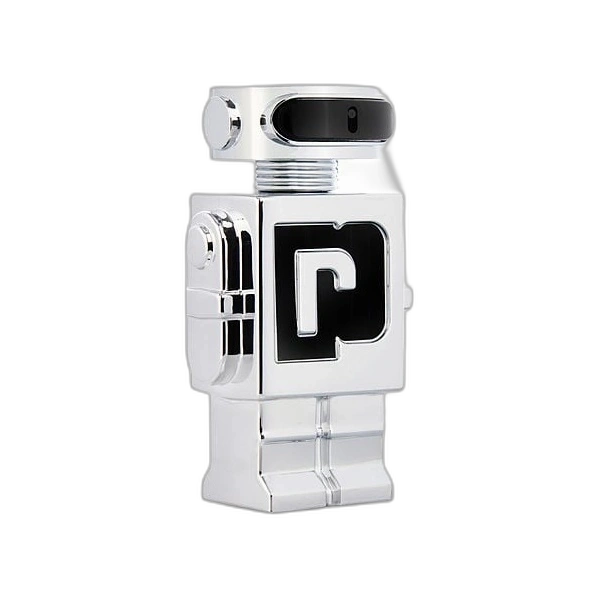
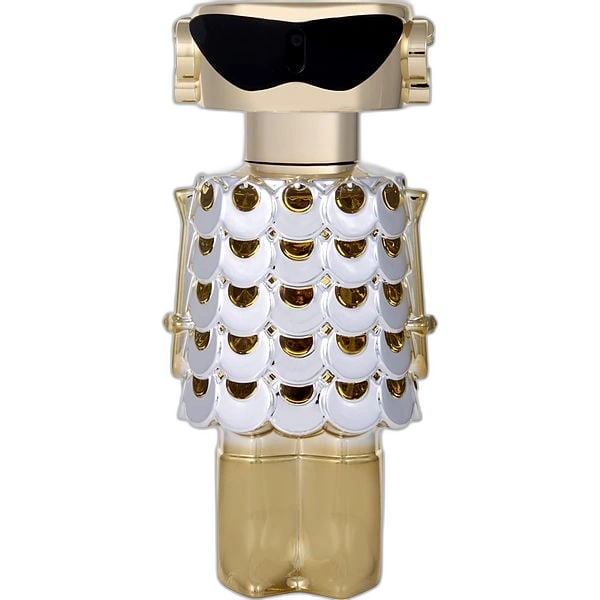
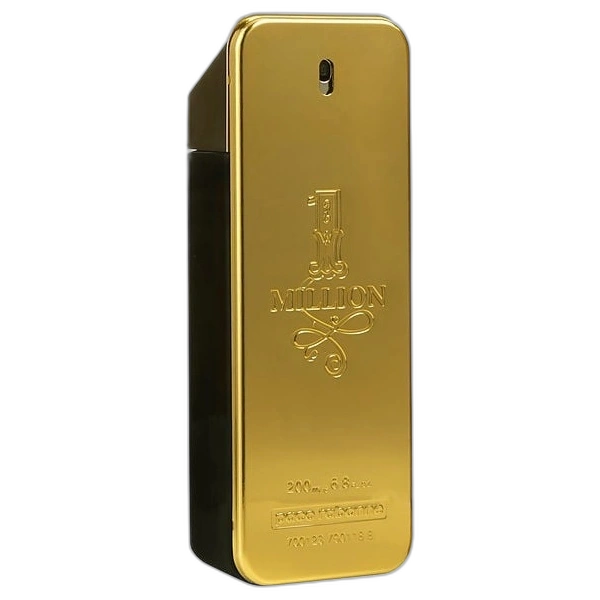
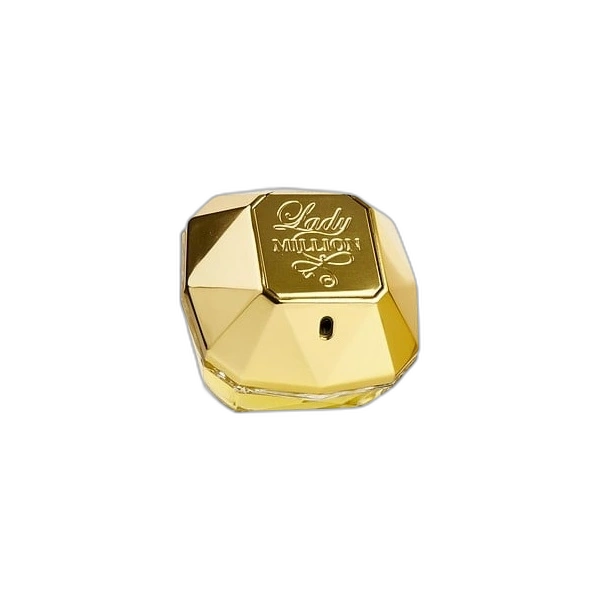
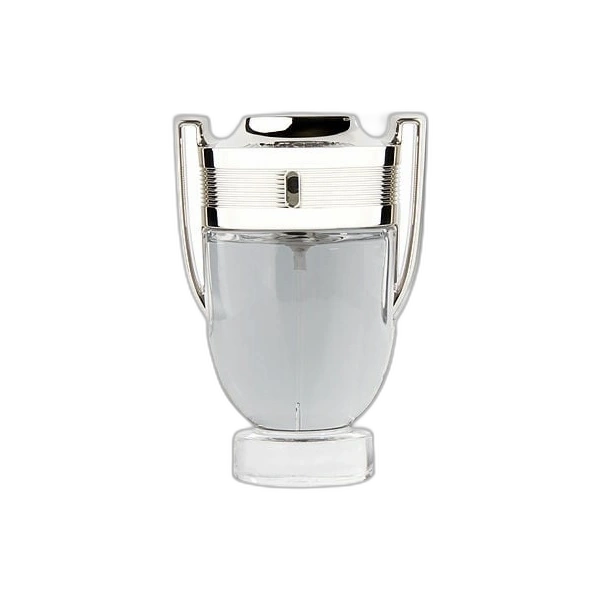
Born in Spain in 1934, Paco Rabanne settled in France and in 1966 showed a collection of dresses made from plastic and metal plates that caused a sensation. His futuristic aesthetic defined part of the 1960s. Fragrance developed from the end of that decade with the Spanish group Puig, which would go on to own the house: Calandre in 1969, then Paco Rabanne pour Homme in 1973. In 2008 1 Million, in its gold-ingot bottle, by Christophe Raynaud, Olivier Pescheux and Michel Girard, became one of the best-selling masculines in the world. Lady Million followed in 2010, then Invictus in 2013, in a trophy bottle. Olympéa, Pure XS, Phantom and Fame extended that logic of bold concepts. The designer died in 2023, the year the brand adopted the name Rabanne, while its best-known fragrances kept their original names.
An olfactory signature
The house signature rests on very legible contrasts. 1 Million pairs grapefruit and mint with cinnamon, leather and amber; Invictus sets marine notes against guaiac wood. On the women's side, Lady Million layers raspberry, white flowers and honey, Olympéa a salted vanilla. Pure XS plays ginger, vanilla and sugar, Phantom smoky apple and lavender, Fame mango and incense. Bases of amber, patchouli and vanilla guarantee trail and longevity, which is exactly what fans expect.
Which Paco Rabanne perfume to choose?
For a warm, spicy masculine, choose 1 Million (or the nuttier 1 Million Lucky); for sporty freshness, Invictus or the saltier Invictus Legend. Pure XS and Phantom suit fans of modern sweetness. For women, Lady Million offers a honeyed floral, Olympéa a salted vanilla, and Fame a fruity, incense-laced woody floral.