
What does Civet smell like?
Neat civet is plainly faecal. Nobody would sniff it for pleasure. Diluted to a trace, it changes completely. It turns warm and musky, almost floral. That is the whole point. A touch of civet makes jasmine more carnal and rose more alive. On skin it carries the base for hours and gives that warm-body feel old perfumes wear so well. Some people find it dirty, and they have a point.
Origin and production
The African civet (Civettictis civetta) produces this paste in glands near its tail. It used to be collected from captive animals, notably in Ethiopia. The farming conditions drew wide criticism. Modern perfumery therefore relies on synthetic reconstructions. Civetone, a macrocyclic ketone identified in the secretion, is now made in the lab. Today's civet notes are almost all accords.
How perfumers use it
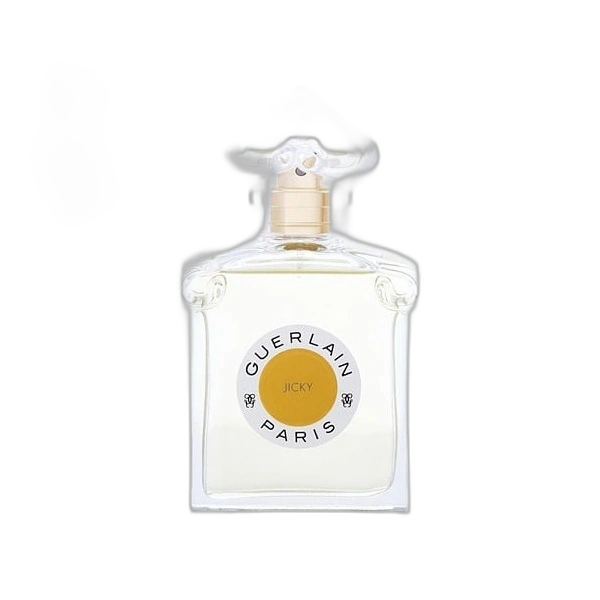
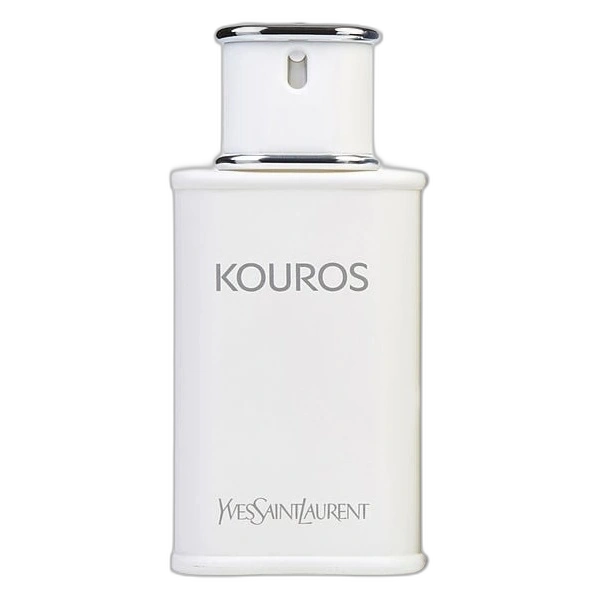
Civet works quietly in the base. It backs up jasmine, rose and ambers. Aimé Guerlain used it in Jicky in 1889 against lavender and vanilla. Jean Patou Joy (1930) set it under jasmine and rose. Yves Saint Laurent Kouros (1981) pushed it further with honey and leather. Tom Ford Noir (2012) keeps an echo of it in a peppery oriental.
How to wear it
Wear a civet perfume in the evening, ideally in winter. One spray is enough, on skin rather than clothes. Avoid small rooms. Kouros fills a lift in seconds.