The story of Guerlain
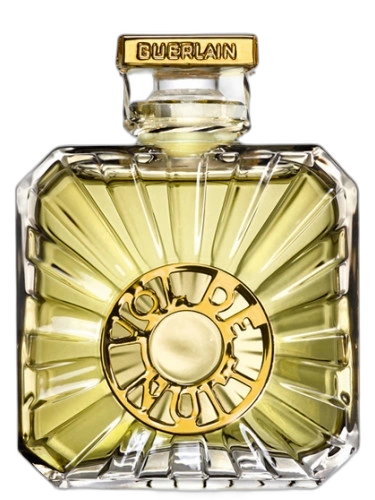
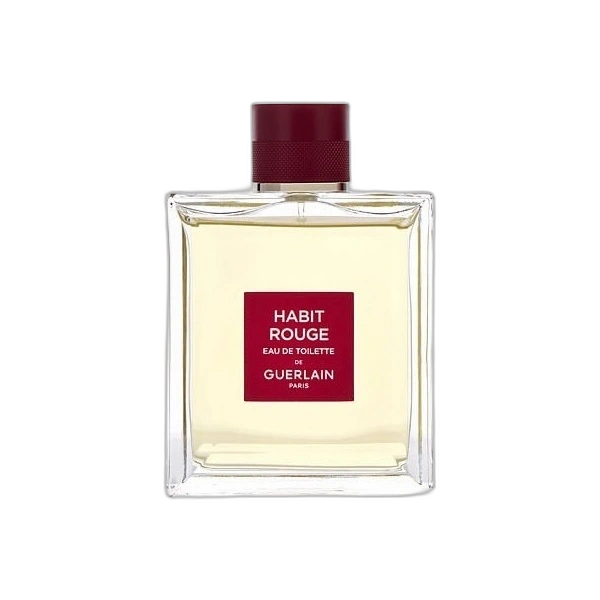
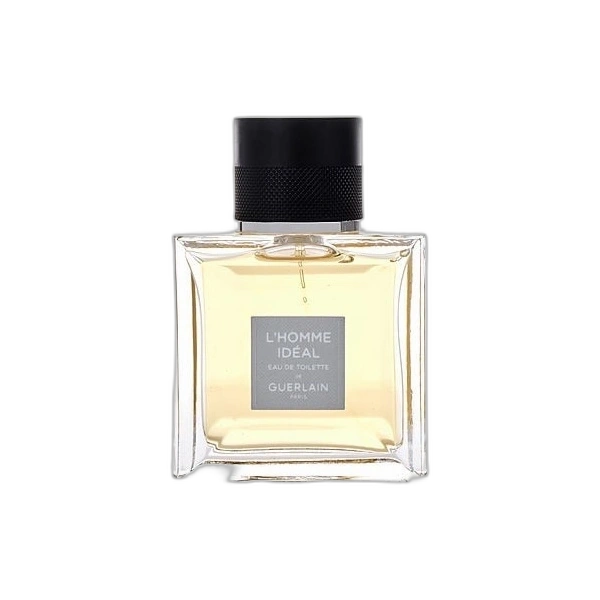
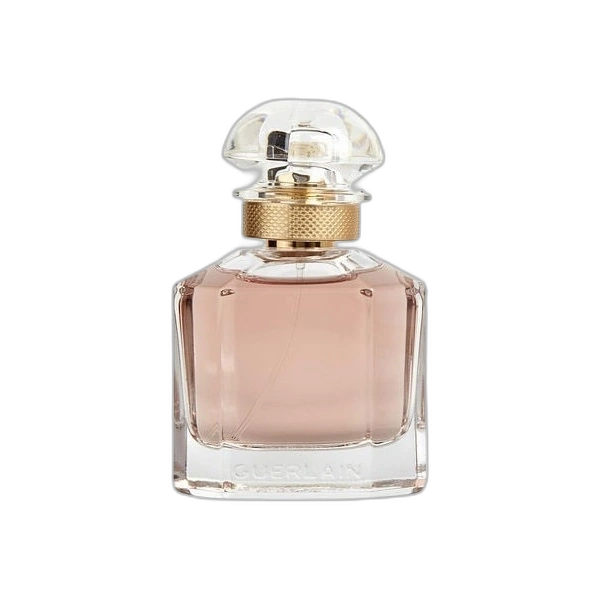
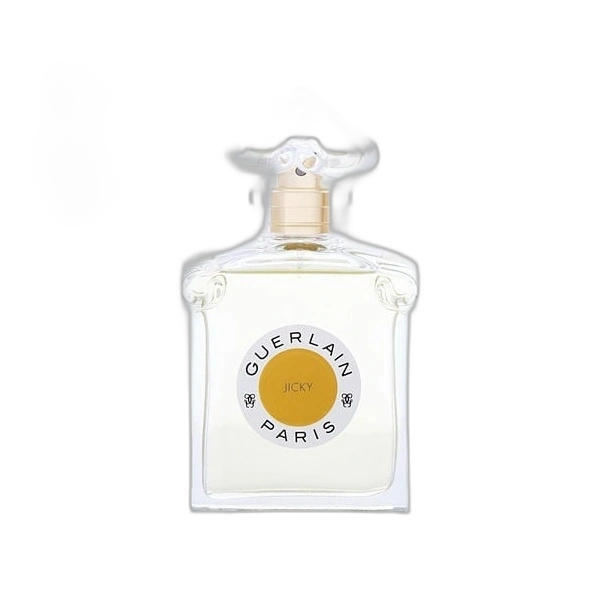
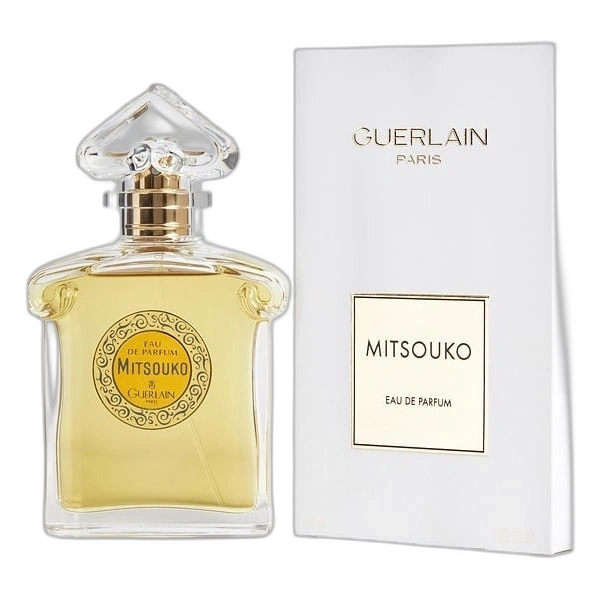
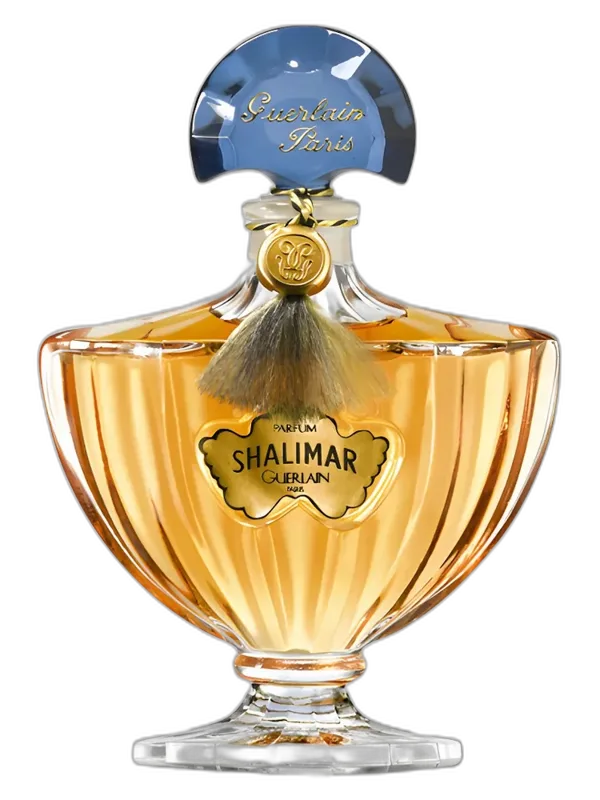
Pierre-François Pascal Guerlain opened his shop on the rue de Rivoli in 1828 and became a supplier to the imperial court. His son Aimé composed Jicky in 1889, one of the first perfumes to combine natural materials with synthetic molecules, often cited as the starting point of modern perfumery. Jacques Guerlain, Aimé's nephew, then produced a run of masterworks: Mitsouko in 1919, a peachy fruity chypre; Shalimar in 1925, the vanilla oriental that became legendary; and Vol de Nuit in 1933, a tribute to Saint-Exupéry. Jean-Paul Guerlain took over with Habit Rouge in 1965, one of the first masculine orientals. The house joined the LVMH group in 1994. Since 2008, Thierry Wasser has been the first in-house perfumer from outside the family; his work includes L'Homme Idéal and Mon Guerlain, which carry the house style into the present.
An olfactory signature
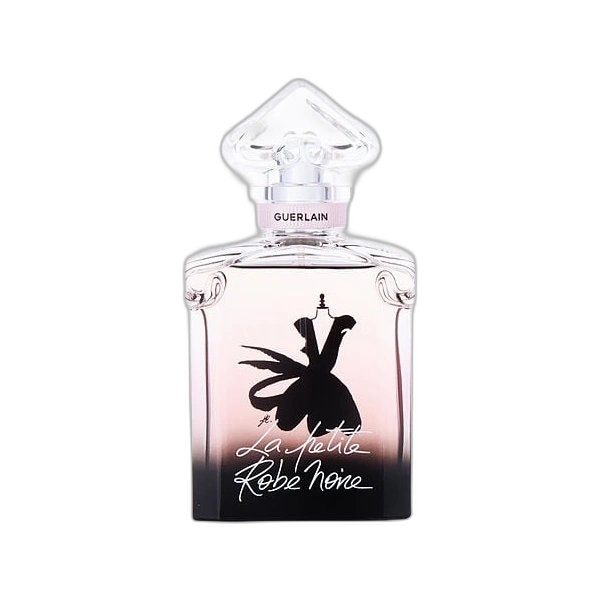
The heart of the Guerlain style is the Guerlinade, a base accord blending vanilla, tonka bean, iris, bergamot and ambery notes. It runs through Shalimar with its opoponax, Jicky where lavender meets civet, Mon Guerlain with lavender and creamy vanilla, and Habit Rouge, where citrus, carnation and cinnamon rest on vanilla amber. Mitsouko is the exception, built on oakmoss and peach. La Petite Robe Noire modernises the whole idea with cherry, almond, liquorice and tea, proving the signature can still evolve.
Which Guerlain perfume to choose?
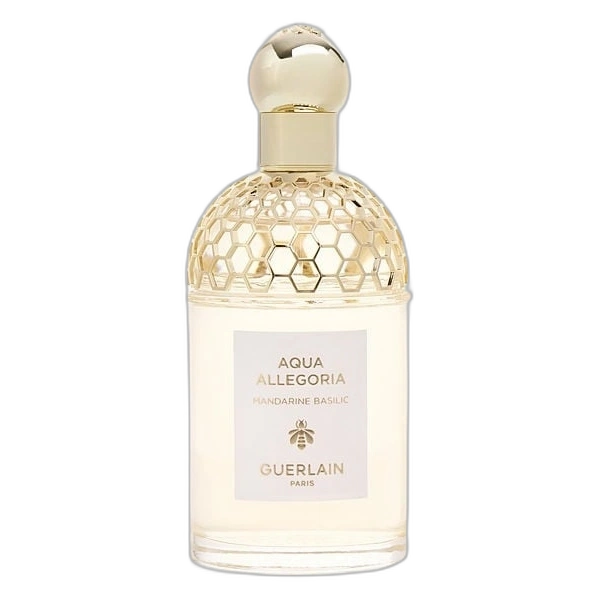
To discover historic Guerlain, Shalimar is the gateway; Mitsouko is for chypre lovers. Jicky appeals to men and women alike, and Vol de Nuit to those who enjoy iris and galbanum. For a modern vanilla, choose Mon Guerlain, or La Petite Robe Noire for something more gourmand. For men, Habit Rouge is the classic and L'Homme Ideal the almond-led take. Aqua Allegoria Mandarine Basilic suits summer.