What does Rose smell like?
Rose has a thousand faces: fresh and lemony in the morning, honeyed and winey at night. Nuances of lychee, raspberry, clove, tea and geranium run through it. Damask rose oil is spicier and brighter, centifolia absolute more honeyed and dense. It blooms in the heart and lasts a long time, especially when supported by patchouli or musks, which let it glow well into the drydown.
Origin and production
Rosa damascena is grown in Bulgaria's Kazanlak Rose Valley and around Isparta in Turkey; Rosa centifolia, the May rose, in Grasse and Morocco. Steam distillation yields rose oil, or otto, while solvent extraction yields the absolute. Several tonnes of petals, picked at dawn, are needed for a single kilo of oil. Perfumers also rebuild rose with phenylethyl alcohol, citronellol, geraniol and damascones, which add freshness and fruit.
How perfumers use it
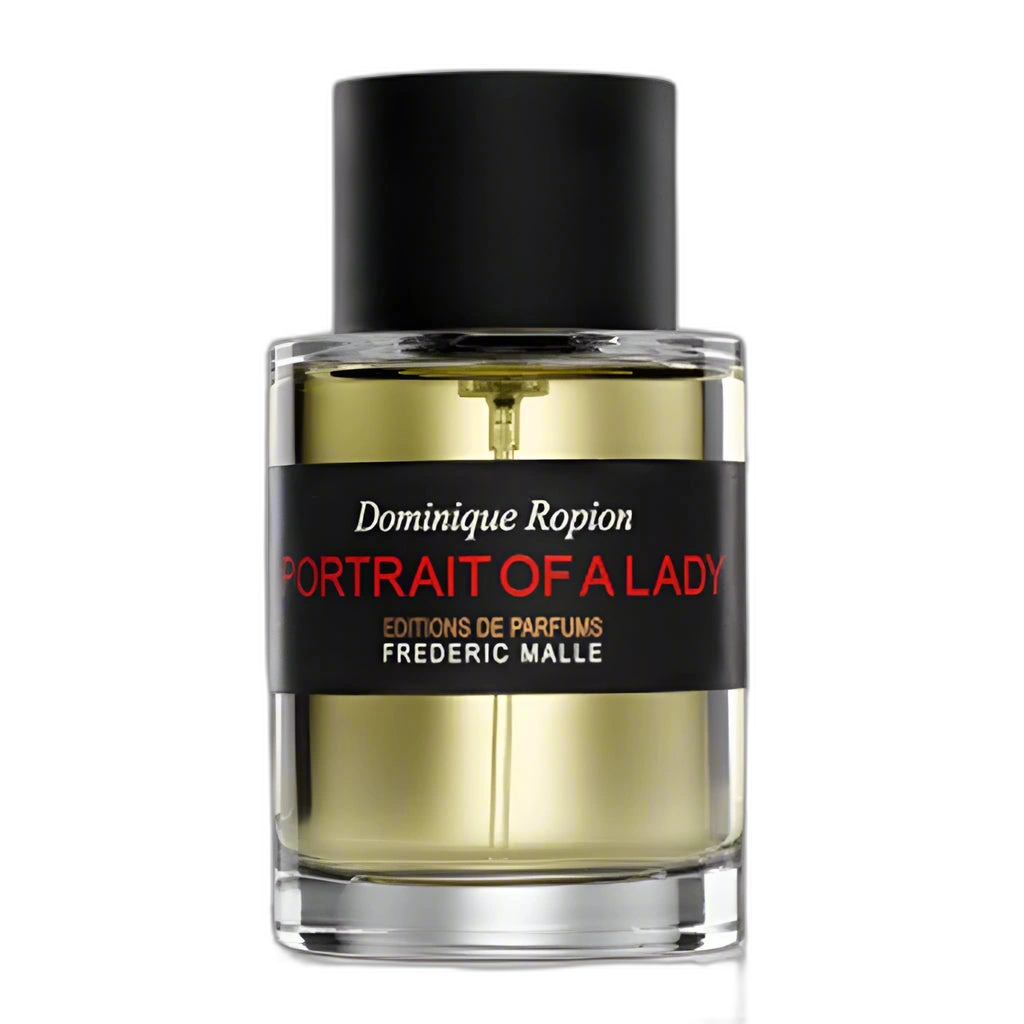
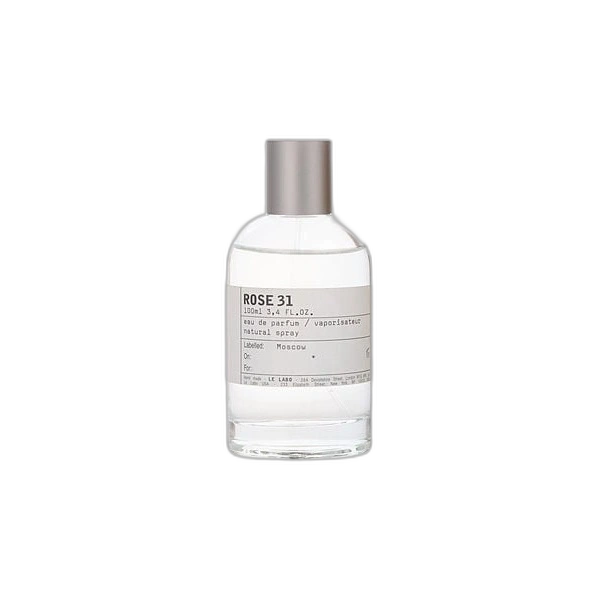
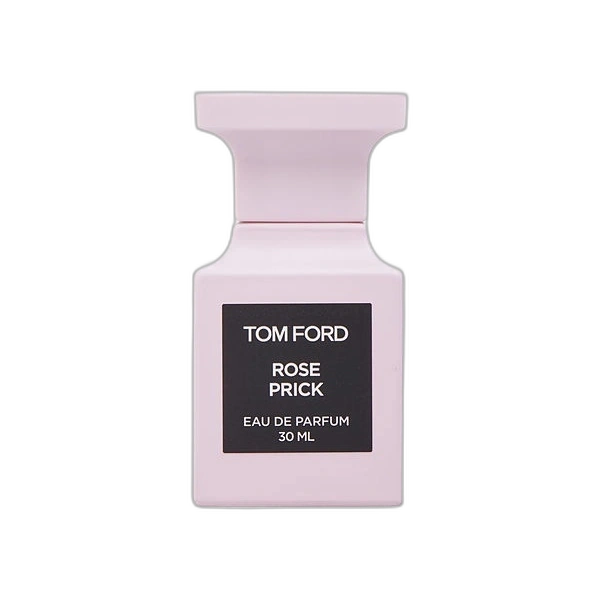
Rose sits in the heart. It pairs with jasmine in grand florals, patchouli in chypres and dark roses, oud and saffron in oriental accords, and red fruits in modern takes. Frédéric Malle's Portrait of a Lady surrounds it with patchouli and incense, Le Labo's Rose 31 spices it with cumin, and Tom Ford's Rose Prick sets it against a sharp Sichuan pepper opening.
How to wear it
Year-round: fresh and fruity in spring, dark and spicy in winter. It suits romantics and lovers of bold scents alike.