A short history
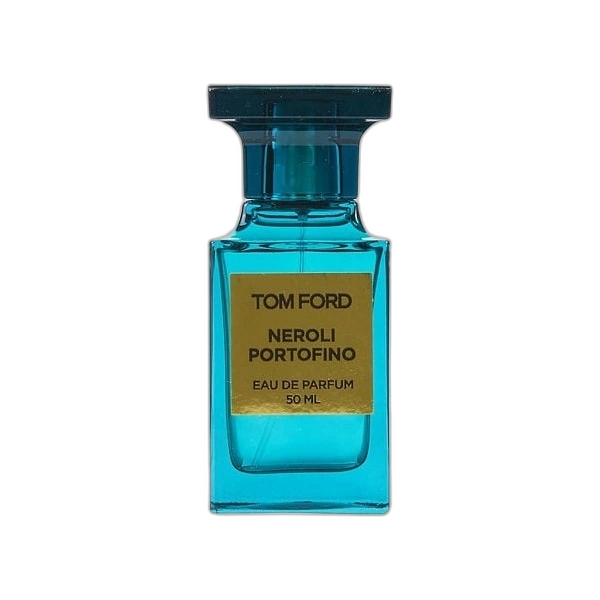
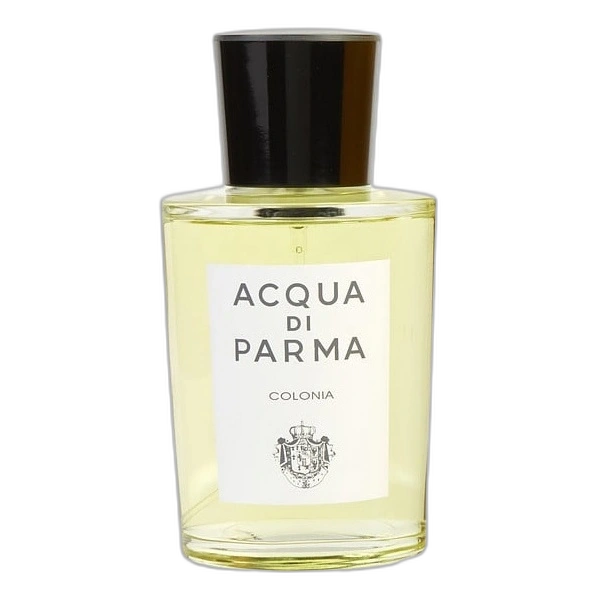
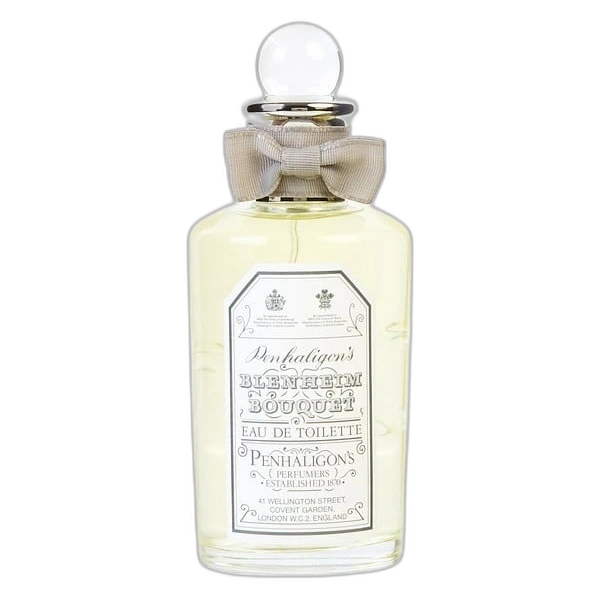
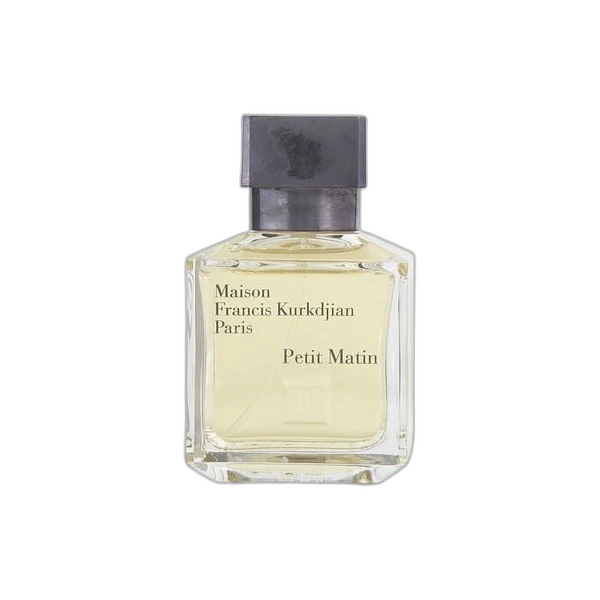
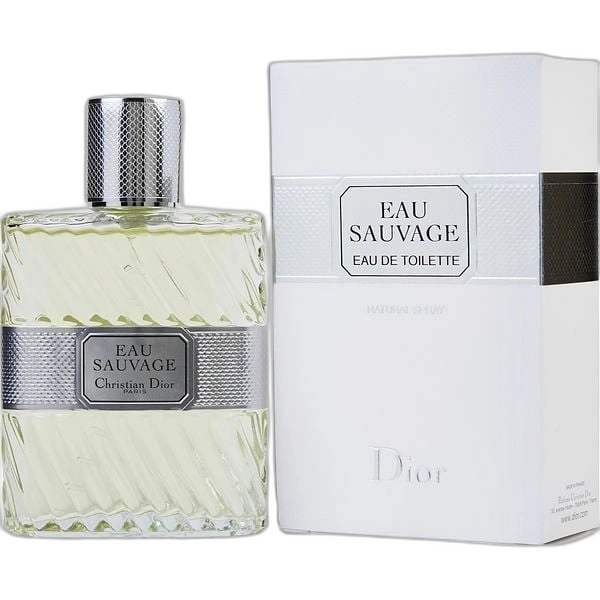
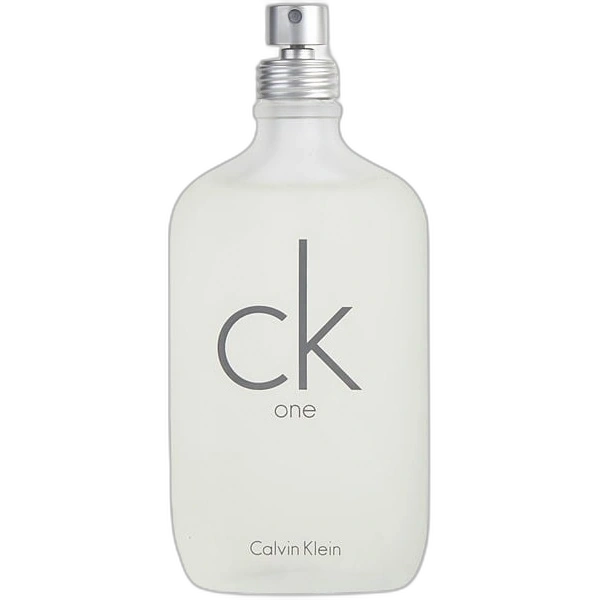
Citrus lies at the root of one of the oldest forms of modern perfume: eau de Cologne, sold by Johann Maria Farina in Cologne in the early eighteenth century, combining bergamot, lemon, neroli and rosemary. For a long time these waters were splashed on to refresh the body. In the twentieth century, Acqua di Parma revisited the formula in 1916 with Colonia, while Penhaligon's had released the lemony, peppery Blenheim Bouquet in 1902. In 1966, Edmond Roudnitska composed Eau Sauvage for Dior and introduced hedione, a transparent jasmine molecule that gave citrus a new radiance. The 1990s turned citrus into a unisex banner with CK One. Since the 2000s, luxury colognes have multiplied, from Tom Ford's Neroli Portofino to Maison Francis Kurkdjian's Petit Matin.
Sub-families
Classic eau de Cologne pairs citrus, neroli and herbs in a light formula. Aromatic citrus adds basil, rosemary or lavender, as in Jo Malone's Lime Basil & Mandarin. Woody citrus sets zest over vetiver or cedar, in the manner of Terre d'Hermès. Floral citrus combines fruit with orange blossom. Amber citrus, finally, warms the zest with vanilla or musk so it lasts longer. In every case, citrus opens the composition and gives an immediate impression of freshness before the base takes over. Bergamot remains the most used citrus of all, far beyond this family.
How to wear it
Citrus notes are volatile and evaporate quickly, especially in summer. Spray generously, including on clothes and hair, and keep a travel size to refresh during the day. Store the bottle away from light and heat, since citrus oils oxidise faster than most materials. A citrus body lotion underneath helps too.