A short history
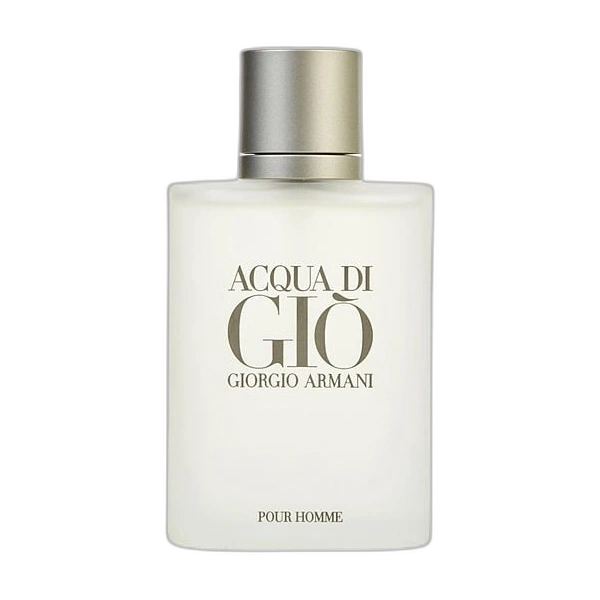
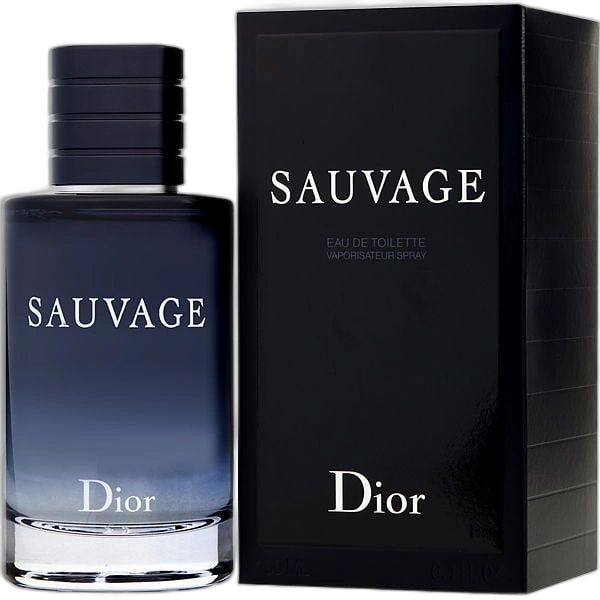
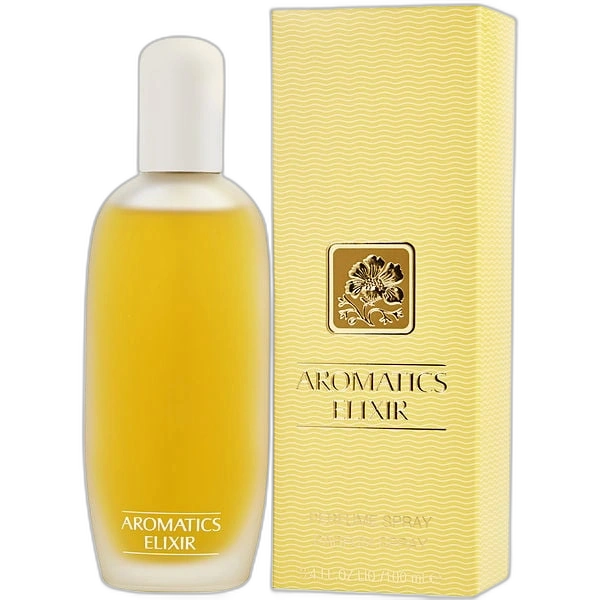
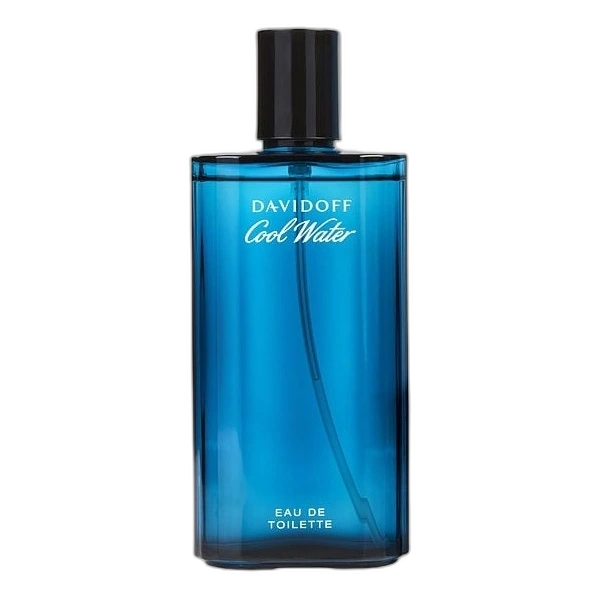
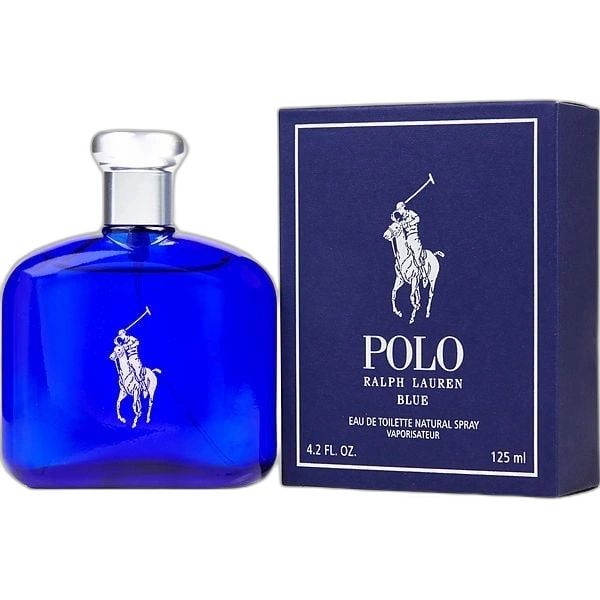
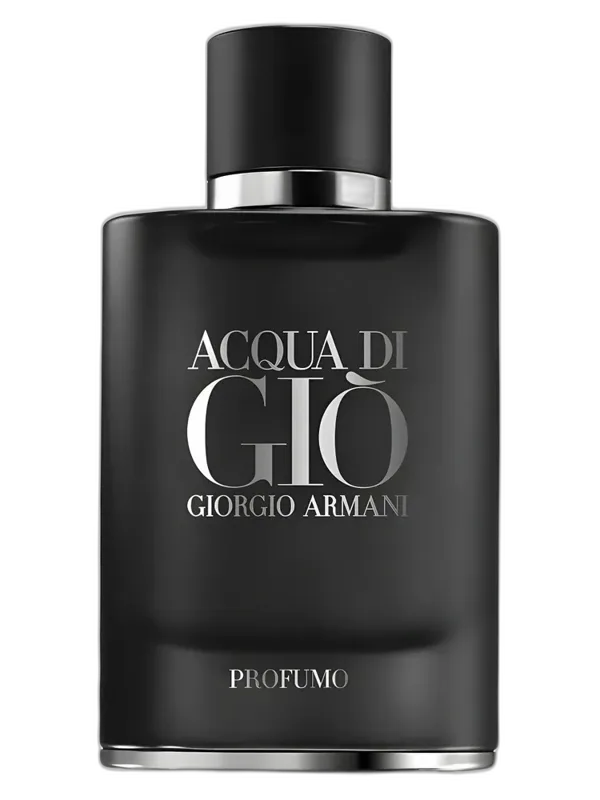
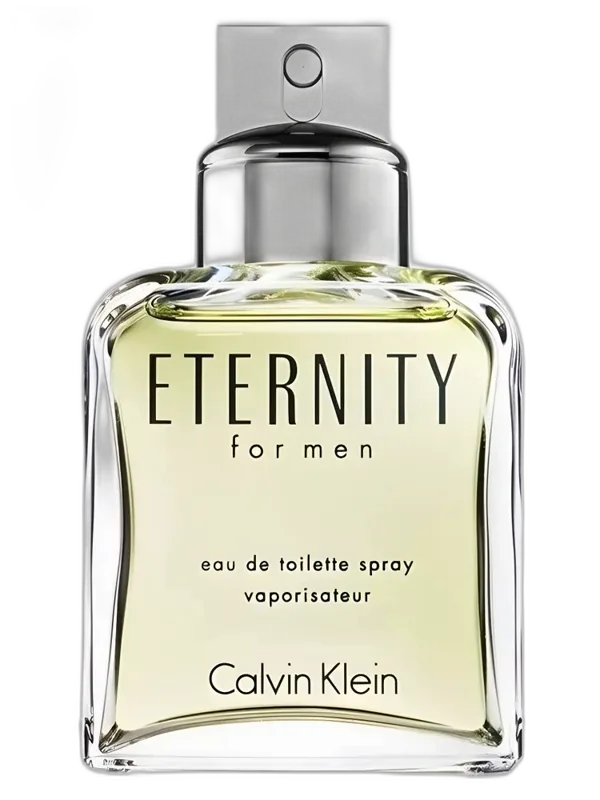
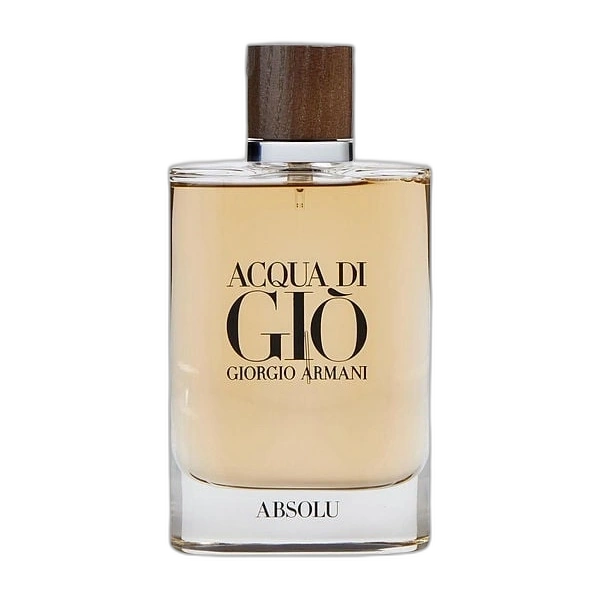
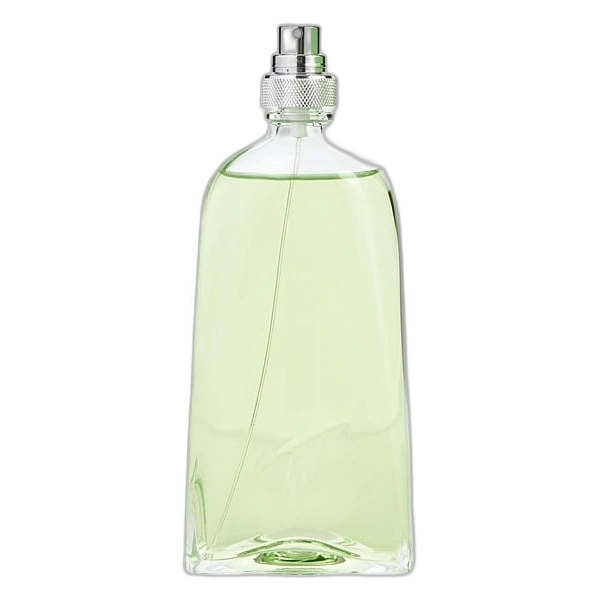
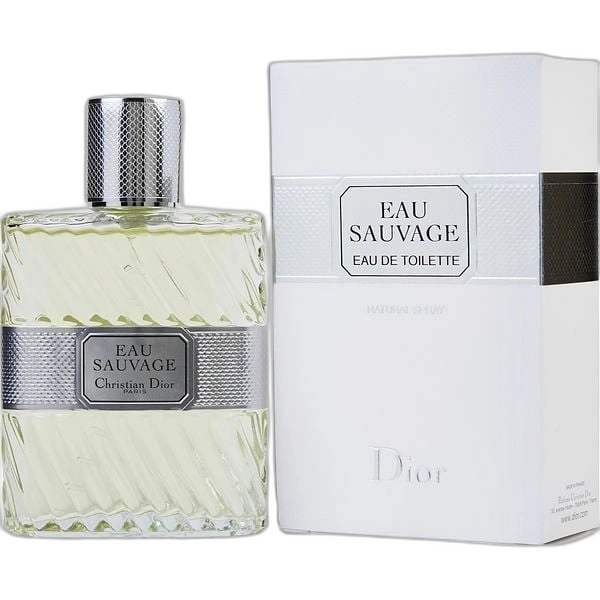
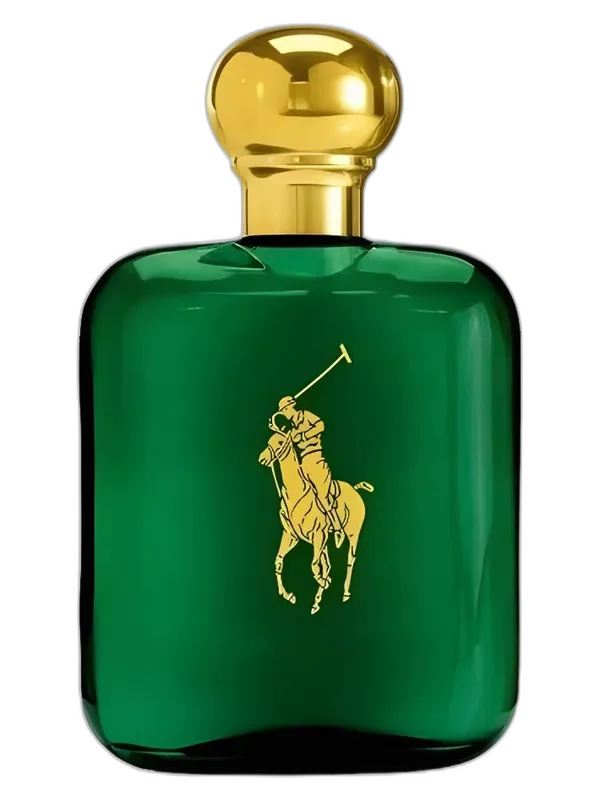
Aromatic herbs are among the oldest perfume materials. Hungary Water, famous from the seventeenth century, was built on rosemary, and eau de Cologne combined citrus with herbs. In the twentieth century the family became the favourite ground of men's fragrance. Dior's Eau Sauvage, in 1966, paired lemon, rosemary and hedione. In 1971, Bernard Chant composed Aromatics Elixir for Clinique, a powerful herbal chypre worn by women and men alike. In 1978, Carlos Benaïm's Polo for Ralph Lauren introduced a green, woody aromatic of pine and wormwood. The following decades matched herbs with marine freshness, from Cool Water to Acqua di Giò. Dior's Sauvage revived the genre in 2015 with crisp lavender, pepper and ambroxan, and became one of the defining masculine scents of its decade.
Sub-families
Citrus aromatics combine herbs with zest, in the line of eau de Cologne and Eau Sauvage. Aromatic fougères add coumarin and moss to lavender. Green aromatics, with galbanum, wormwood or pine, evoke the forest, like Polo. Spicy aromatics blend herbs with pepper, cardamom or nutmeg. Woody aromatics, finally, set sage or rosemary over vetiver and cedar, and they now form the core of the big modern men's fragrances sold around the world. Most contemporary launches mix several of these styles.
How to wear it
Aromatics are made for active everyday life: office, gym, spring days. Two or three sprays on the neck and chest are enough. For a warmer winter version, choose an aromatic where lavender is supported by tonka or woods, which extend wear without losing the brightness of the herbs. A sage-led scent also works well in autumn.