Why Eau Sauvage beats Sauvage
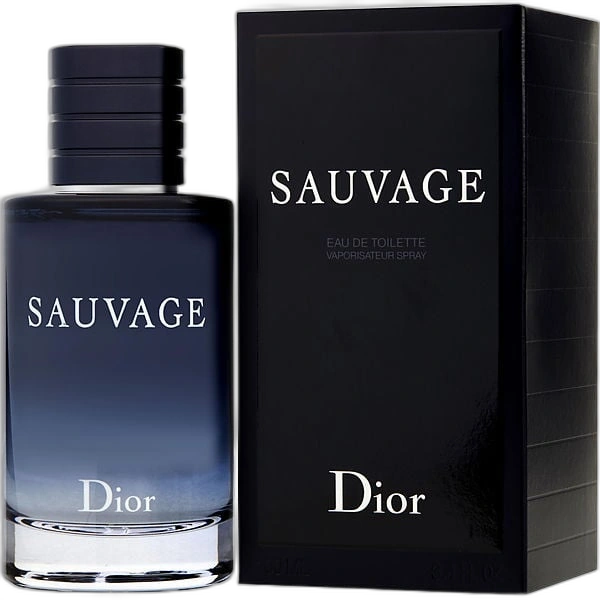
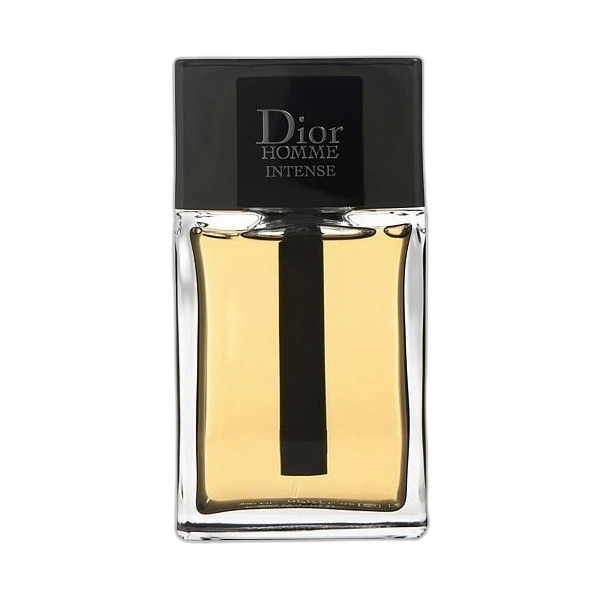
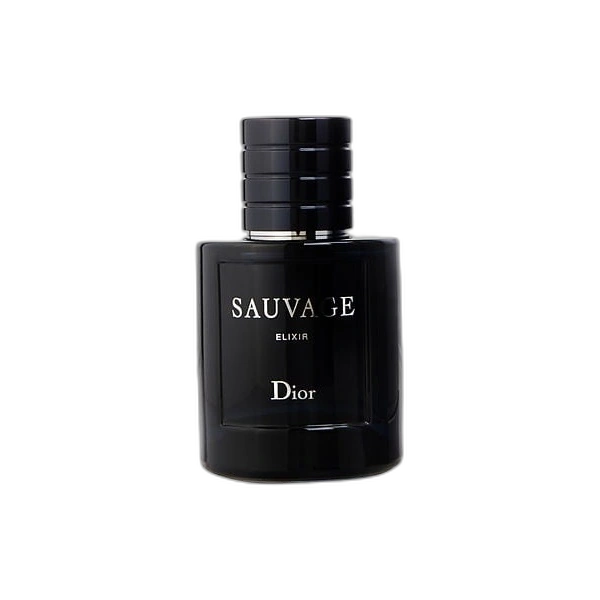
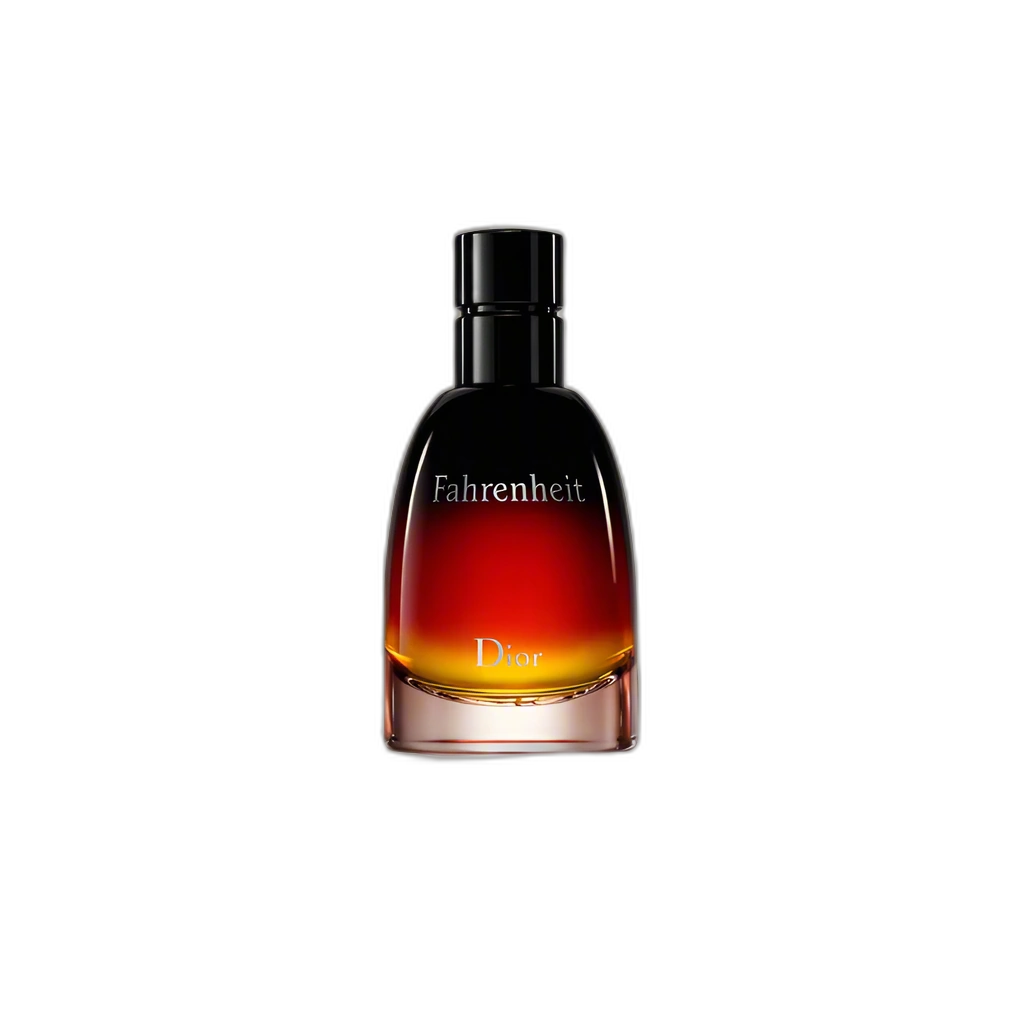
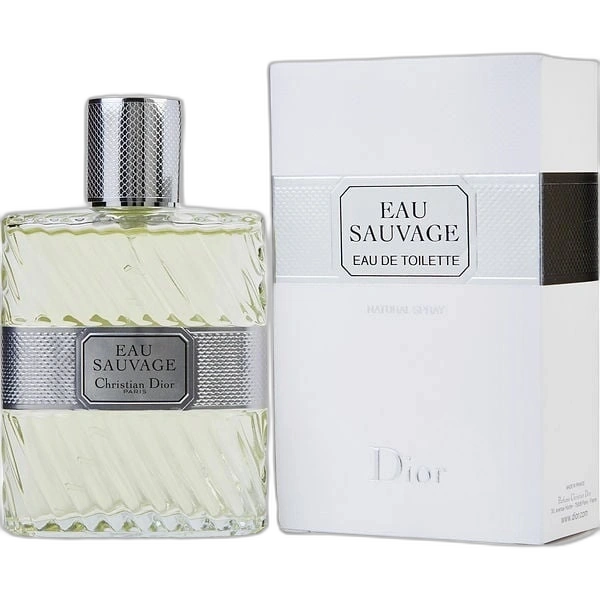
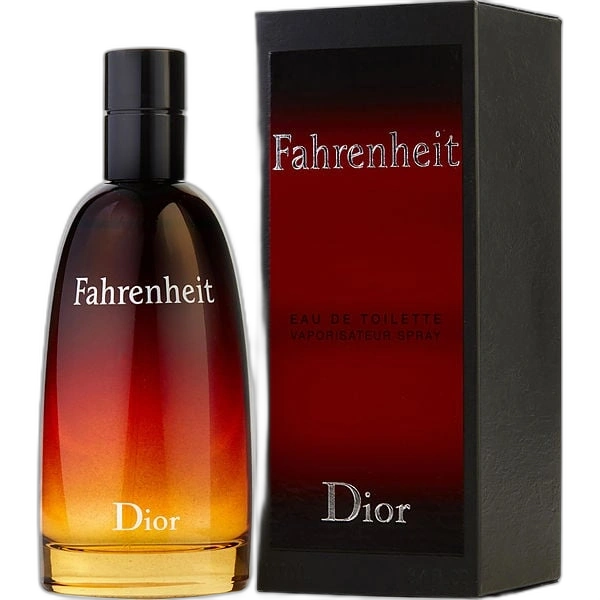
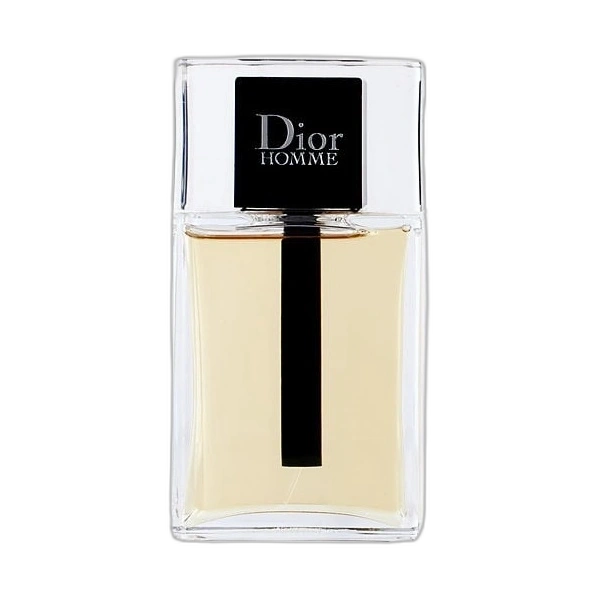
We ranked these seven on four criteria: influence, quality of composition, versatility and performance relative to intensity. Eau Sauvage scores best on the first two. Its lemon, basil and sheer jasmine shaped decades of fresh men's fragrance. Longevity is modest (intensity 2 out of 5), and that is its only real weakness. Sauvage is the opposite. It wins easily on performance and versatility, scoring 5 out of 5 and working day or night for three seasons. What holds it back is originality. Its ambroxan became the default smell of a whole generation. Fahrenheit and Dior Homme rank above it because each one opened a new path. Fahrenheit made petrol-tinged violet wearable, and Dior Homme brought iris into men's fragrance.
Three bloodlines, seven bottles
Dior's men's range reads like three families. The first centres on the Sauvage name: Eau Sauvage in 1966, then Sauvage in 2015 and Sauvage Elixir in 2021. The last two are by François Demachy and share lavender, but the Elixir swaps pepper for cinnamon, nutmeg and liquorice. The second family is Fahrenheit. The 1988 original plays violet, nutmeg and leather. Le Parfum from 2014 adds benzoin and tonka and loses some bite. The third is Dior Homme. The 2005 cocoa iris was followed in 2007 by the Intense, a butterier take with ambrette and pear. Our advice is the same in each family. Start with the original. The concentrated versions are darker and sweeter, and they only really work in autumn and winter.