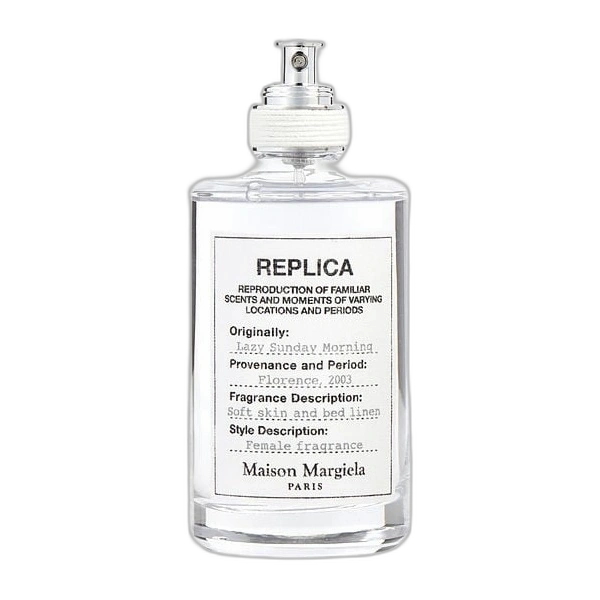
What does Ambrette smell like?
Ambrette gives a soft, rounded musk that feels more alive than synthetic white musks. The opening shows a ripe-pear fruitiness and a winey, almost brandy-like touch. It then settles into a warm, slightly oily aura on skin, like a worn shirt collar or the inside of a wrist. Longevity is impressive, yet the trail stays intimate: ambrette wraps around you rather than announcing itself across a room.
Origin and production
Ambrette seeds come from Abelmoschus moschatus, a tropical mallow grown in India and South America, including Ecuador. Distilling the seeds yields an ambrette butter rich in fatty acids, which is purified into an oil or absolute. Its key odorant is ambrettolide, a macrocyclic musk now also made synthetically. For a long time ambrette was one of the few plant alternatives to animal musk, prized by perfumers for its warmth and diffusion.
How perfumers use it
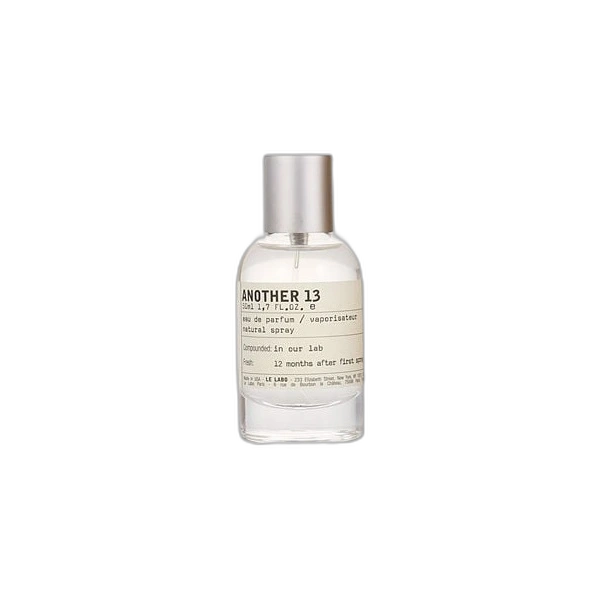
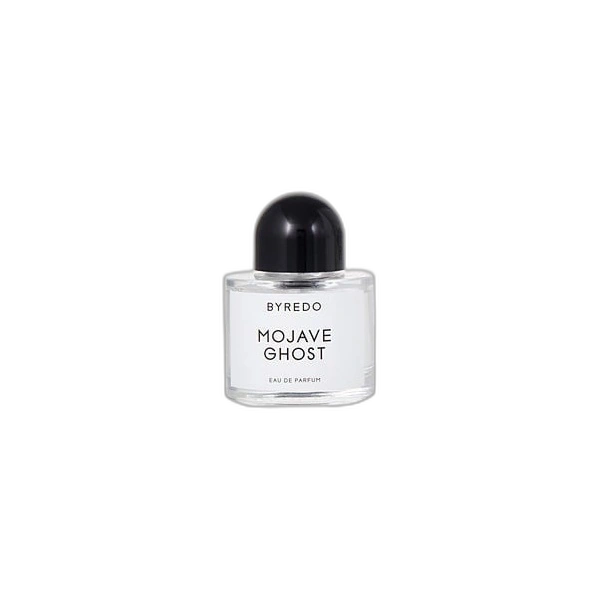
Ambrette sits in the heart or base, rounding off accords and giving a second-skin effect. It pairs with orris, pale woods, salty notes and synthetic musks, making them feel more organic. In Le Labo's Another 13 it warms a highly molecular structure; Byredo uses it right from the opening of Mojave Ghost, and Jo Malone sets it beside sea salt and sage in Wood Sage & Sea Salt.
How to wear it
Wearable all year, ambrette appeals to people who love discreet skin scents worn close to the body rather than projected.