How we ranked Chanel's perfumes
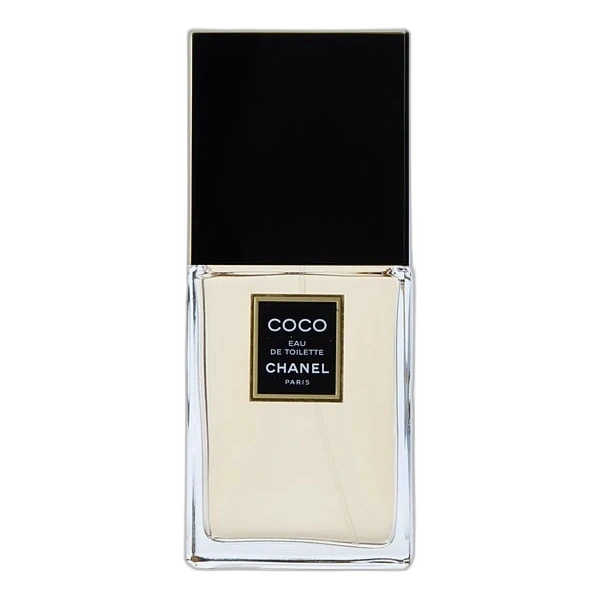
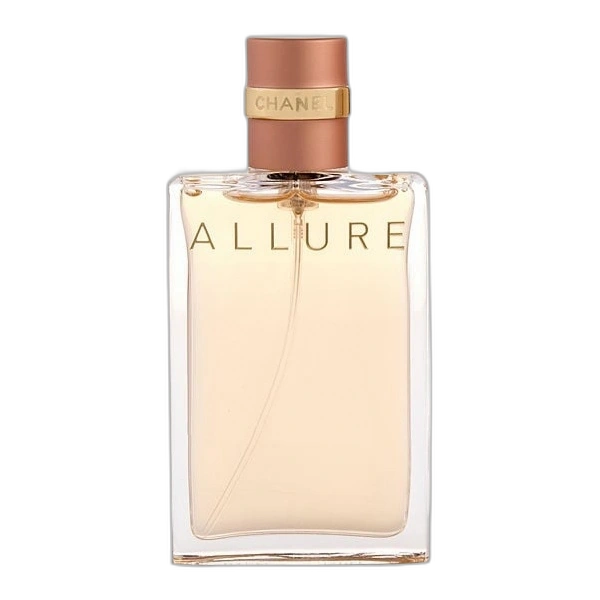
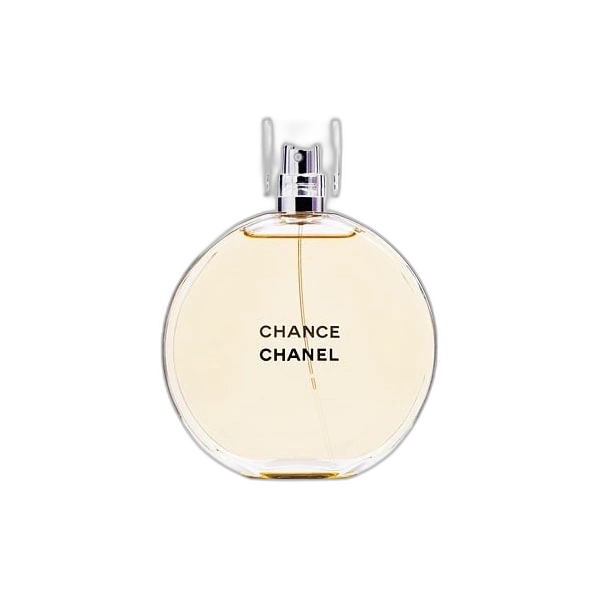
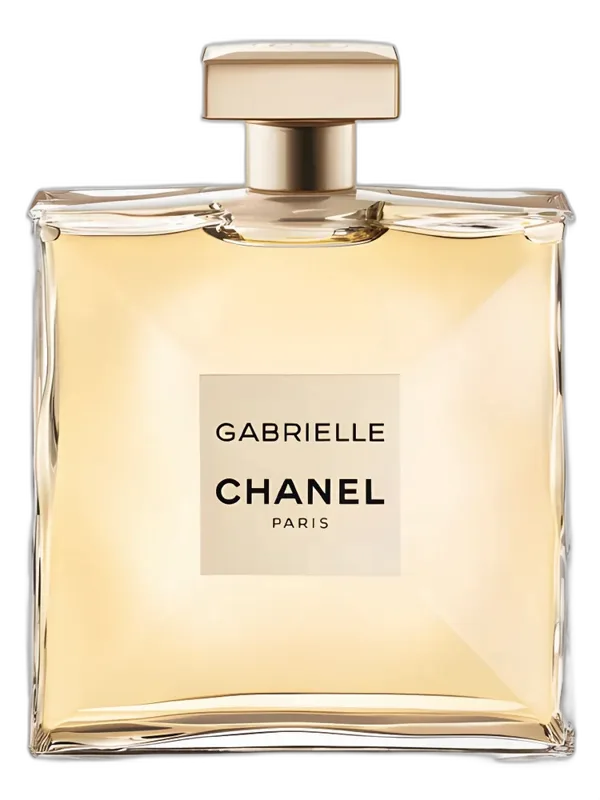
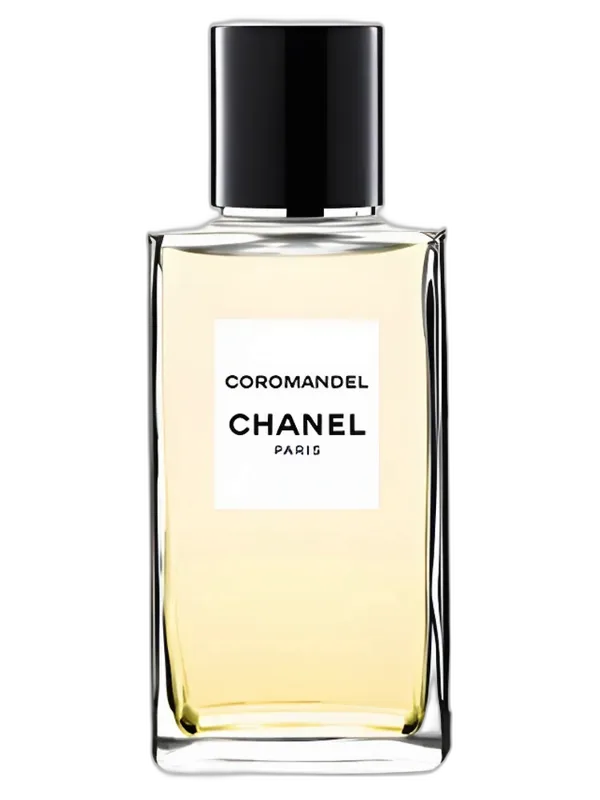
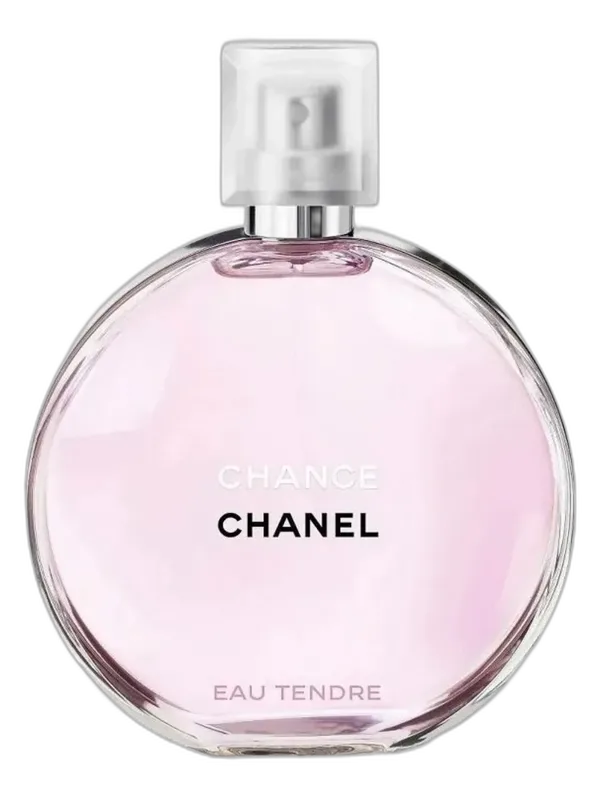
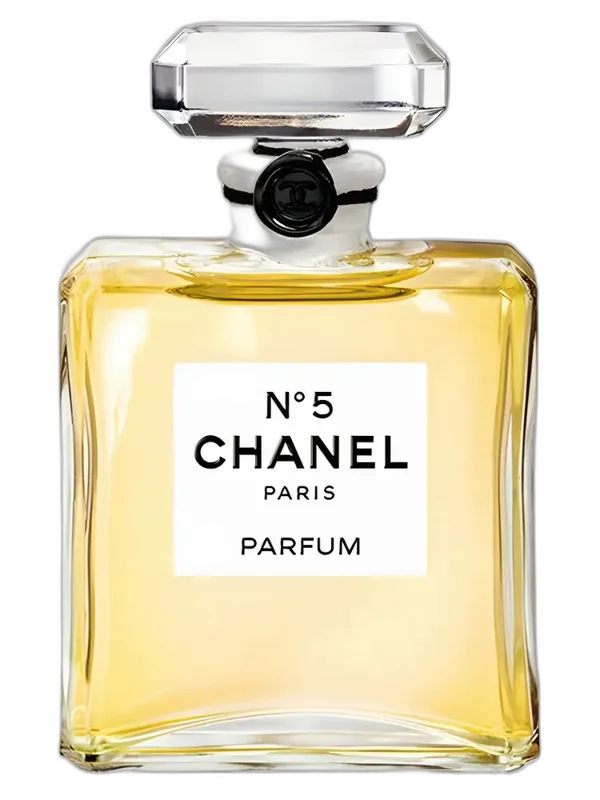
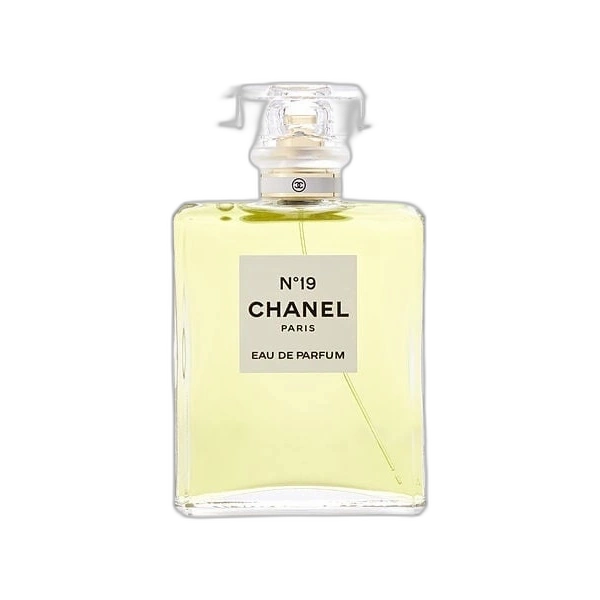
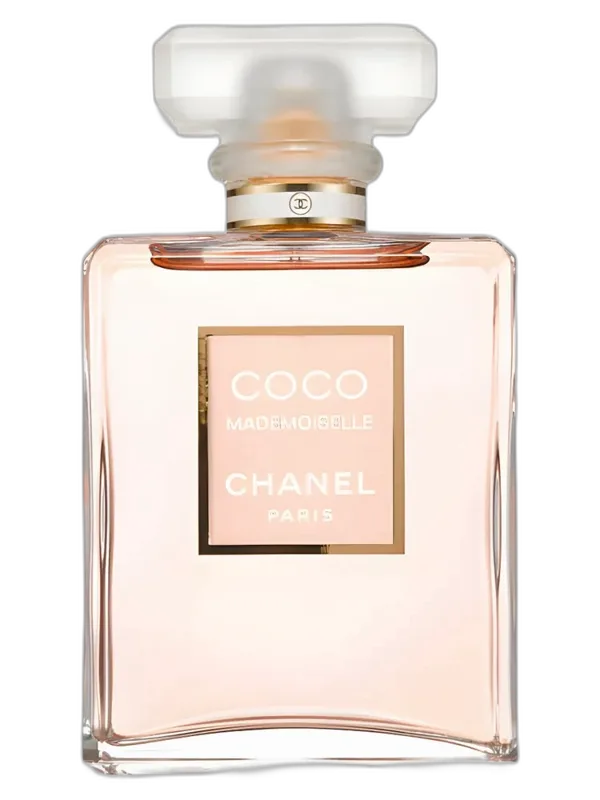
Almost everything Chanel makes is well built, so we had to separate them on more than raw quality. Influence came first. No. 5 changed perfumery in 1921, and No. 19 gave the green chypre a cool elegance few scents have matched. Versatility came next. Coco Mademoiselle and Allure work at the office and at dinner, which puts them ahead of Coco, richer but limited to winter evenings. We also looked at originality. Chance and Gabrielle are flawless but widely imitated, hence their mid-table spots. Performance follows the intensity data. Four scents here score 4 out of 5, No. 5 and Coco among them. Chance Eau Tendre tops out at 2. Coromandel is officially unisex. We kept it because it is the finest patchouli in the house.
Beaux, Robert, Polge: one vocabulary
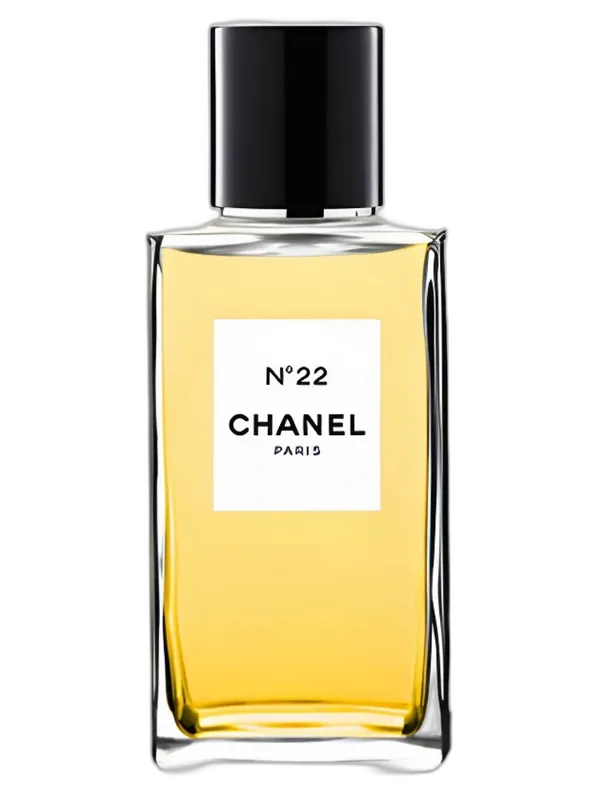
These ten scents come from a handful of perfumers. Ernest Beaux made No. 5 in 1921 and No. 22 the following year, both powdery aldehydic bouquets. Henri Robert composed No. 19 in 1971. Jacques Polge then held the reins for decades. He gave the house Coco and Allure, Coco Mademoiselle and both Chance scents. He also co-signed Coromandel with Christopher Sheldrake. His son Olivier Polge signed Gabrielle in 2017. Across all those years, the vocabulary barely shifts. Jasmine appears in nine of the ten. Iris shows up in seven, often where you would not expect it, as in Chance. Vetiver dries down the base of six. That is what gives Chanel its family resemblance: white flowers held up by a dry, clean base that never gets too sweet. If you love heavy gourmands, the house has little for you beyond Coco.