Era

The 1900s, the Belle Époque in a bottle

The first decade of the twentieth century turned perfumery into a modern industry. Synthetic materials spread, bottles became works of art and great houses took shape.

1perfumes
1houses
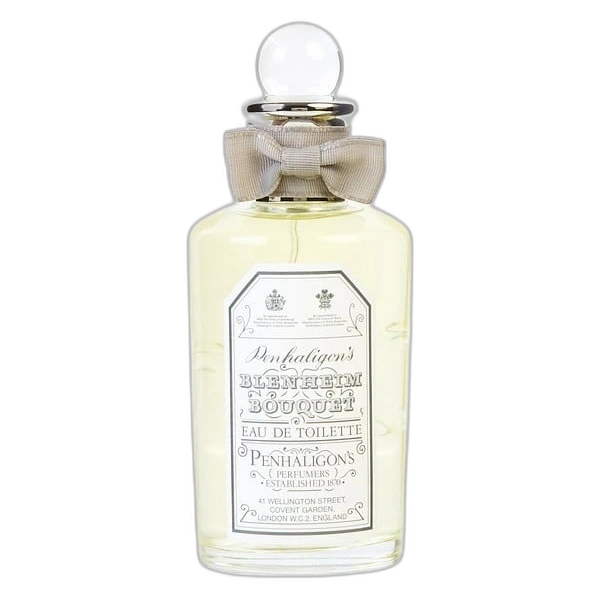
Blenheim Bouquet Penhaligon's

The spirit of a decade

The Belle Époque was a time of prosperity and refinement for perfumery in Paris and London. Ionones, discovered in 1893, gave access to violet, then highly fashionable, and to new powdery effects. François Coty, who arrived in Paris at the turn of the century, played a decisive role: L'Origan, launched in 1905, and his collaboration with glassmaker René Lalique from 1908 turned the bottle into an object of desire and established the idea of perfume that was both luxurious and widely distributed. At Guerlain, Après l'Ondée in 1906 explored a powdery melancholy of violet and heliotrope. In London, Penhaligon's launched Blenheim Bouquet in 1902, a citrus aromatic cologne built on lemon, lavender and pine that remains one of the oldest men's fragrances still on sale today.

1 perfumes

Perfumes launched in the 1900s

The houses

Most represented houses

Frequently asked questions

Which perfumes date from the 1900s?

Among the decade's creations still known today are Penhaligon's Blenheim Bouquet from 1902, Coty's L'Origan from 1905 and Guerlain's Après l'Ondée from 1906. In our selection, Blenheim Bouquet represents the period with its lemon and lavender opening, pine heart and peppery base. It is still sold today.

What role did François Coty play?

François Coty is considered one of the founders of modern perfumery. He combined innovative compositions, carefully designed bottles, notably with René Lalique, and large-scale distribution. His Chypre of 1917 later gave its name to an entire fragrance family still used by perfumers.

Why was violet so popular?

The violet flower yields almost no usable essence. The discovery of ionones in 1893 made it possible to reproduce its scent at low cost. The soft, powdery note became hugely popular, in perfumes as well as in the sweets and cosmetics of the era.