What does Pine smell like?
Walk through a pine wood in midsummer. The air smells of warm resin, dry needles and a little lemon. Pine oil carries that blend, with a balsamic coolness that clears the nose. Overdosed, it soon recalls floor cleaner, which explains why it is rarer now. Used well, it suggests fresh air and pale wood. On skin it lasts one to two hours before the mosses take over.
Origin and production
Pines (genus Pinus) cover a large part of the northern hemisphere. Scots pine (Pinus sylvestris) supplies most of the oil used in perfumery. Needles and young twigs are steam-distilled. The oil is rich in pinene, the molecule behind that resinous freshness. Turpentine is also made from the resin, but it serves industry more than fine fragrance.
How perfumers use it
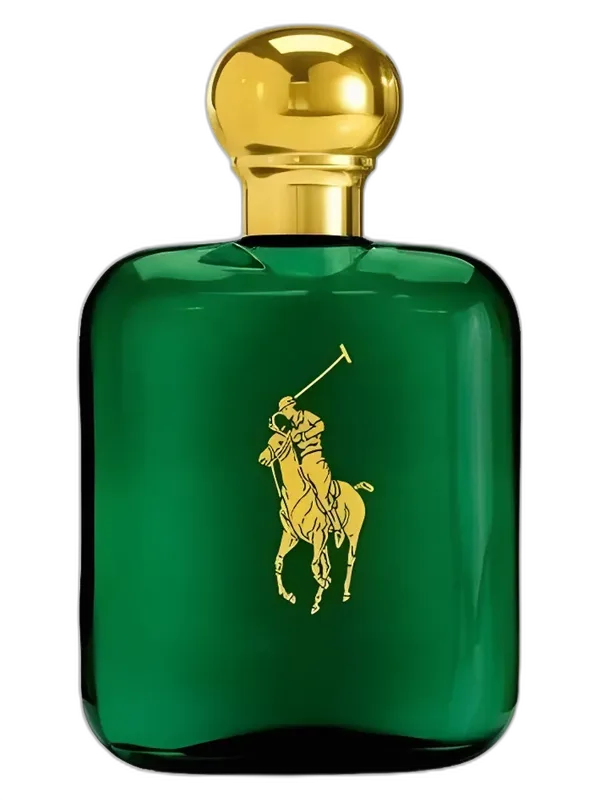
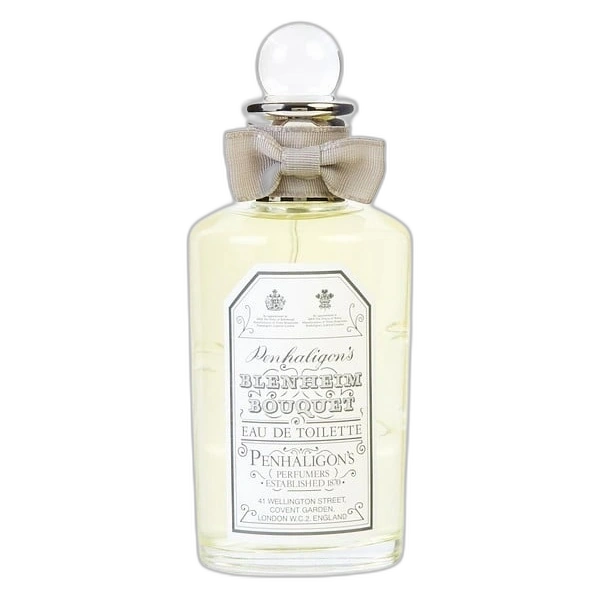
Pine pairs with lavender, rosemary, oakmoss and leather. Penhaligon's placed it in the heart of Blenheim Bouquet in 1902, a citrus scent created for the Duke of Marlborough. Caron Yatagan (1976) teams it with artemisia and fennel in a wild chypre. Ralph Lauren Polo (1978) wraps it in patchouli and moss. Dior Granville (2010), named after Christian Dior's childhood home in Normandy, mixes it with rosemary and gorse.
How to wear it
Pine is an autumn note for the outdoors, with a wool jacket or a thick sweater. Polo and Yatagan are loud, so one spray will do. Granville is airier and also works in summer.