What does Tarragon smell like?
Crush a sprig of fresh tarragon and aniseed comes first. Then a peppery green that tickles the nose. The essential oil keeps that character: fresh licorice and cut stems, with a hint of celery. The aniseed side comes mainly from estragole, its main molecule. In perfume tarragon stays in the background and fades fast. It opens a formula with a clean snap, then hands over to woods and moss.
Origin and production
Tarragon (Artemisia dracunculus) belongs to the same family as mugwort and chamomile. The plant is native to Eurasia and is now grown across Europe. French tarragon, the most aromatic type, is propagated by cuttings because it rarely sets seed. For perfumery the flowering tops are steam-distilled. Yields are low, so the oil is costly next to lavender.
How perfumers use it
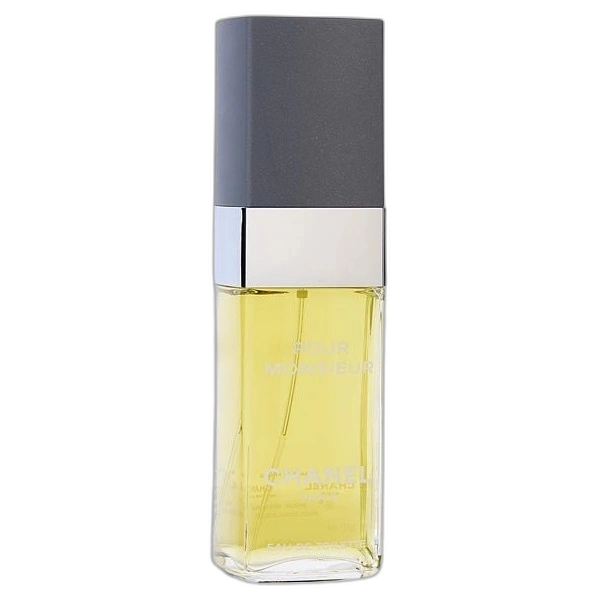
Perfumers use it as an accent. It sharpens lavender and geranium in fougères and adds an aniseed green no other herb quite gives. Chanel Pour Monsieur (1955) hides it in the heart of a dry, lemony chypre. Givenchy Xeryus and Dior Jules use it as an aromatic edge on a bolder fougère. Guerlain Samsara sets it in the top in 1989, a few seconds of green before sandalwood and jasmine take over. Cacharel Eden pairs it with watery notes.
How to wear it
Wear tarragon in spring or on mild days, when you want herbal freshness without citrus. It fades fast. Spray it on clothes to keep it around for another hour.