The story of Burberry
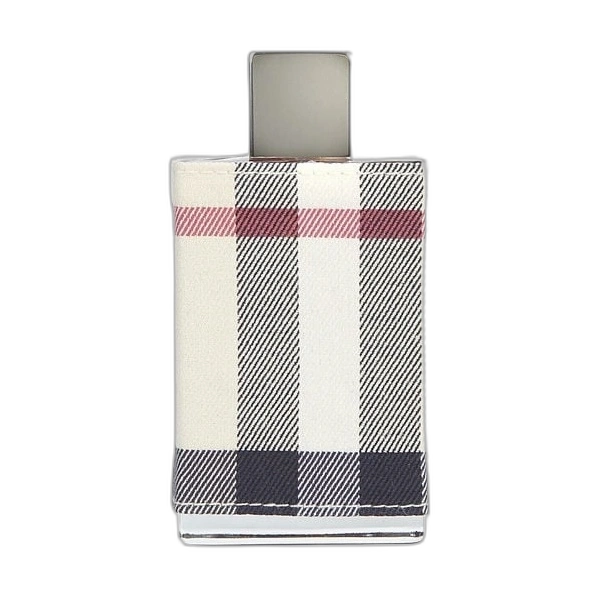
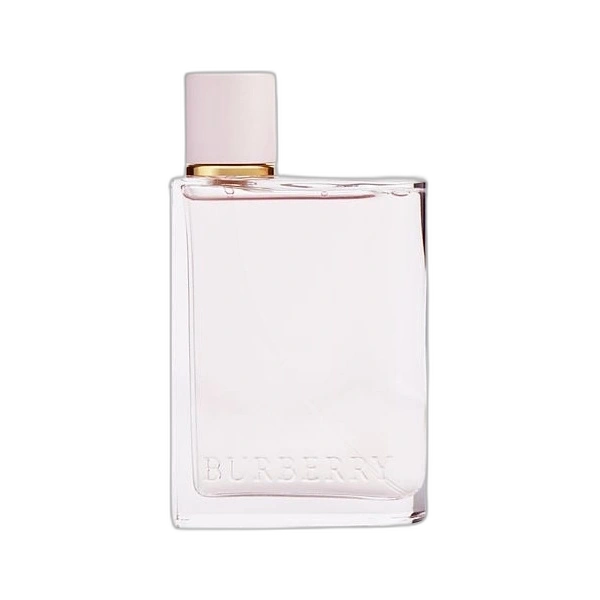
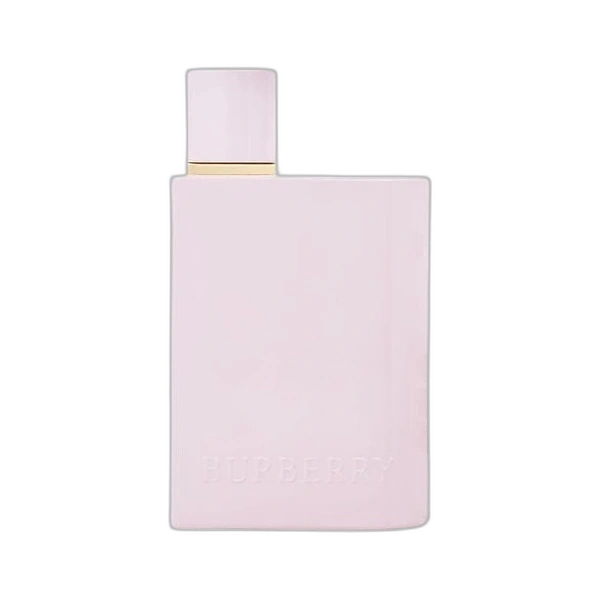
Thomas Burberry opened his shop in Basingstoke, Hampshire, in 1856. In the late 1870s he developed gabardine, a breathable, weatherproof cloth that made his name, followed by the trench coat, adopted by British officers during the First World War before becoming a civilian staple. The beige, black and red check became the brand's visual signature over the twentieth century. Fragrance came later, settling in from the 1980s and 1990s. Burberry London, in 2006, tied the house to the capital with a warm floral. In 2018 Her introduced a fruity gourmand of red and dark berries, pitched as the energy of a modern Londoner, and quickly became one of the brand's leading feminines. Her Elixir, in 2022, delivered a denser, more vanilla-rich take.
An olfactory signature
Burberry's recent women's fragrances play the fruit card. Her opens on blackberry, raspberry and strawberry, softened by violet and jasmine, before musk, amber and dry cocoa. Her Elixir tightens the formula around strawberry, blackberry and jasmine over vanilla, sandalwood and amber. The older Burberry London prefers a sunny floral of honeysuckle, tiare flower and peony, set on sandalwood and patchouli. Across all three, the tone stays approachable and polished, with fruit or flowers up front and a soft, warm base that never turns heavy.
Which Burberry perfume to choose?
If you like crunchy red fruit with a hint of cocoa, start with Her, the most versatile of the three. Her Elixir is for anyone who wants the same idea richer and more vanillic, ideal for winter or evenings. For a more classic, warm floral without a gourmand lean, Burberry London, with its tiare and patchouli, remains a safe choice.