The story of Frédéric Malle
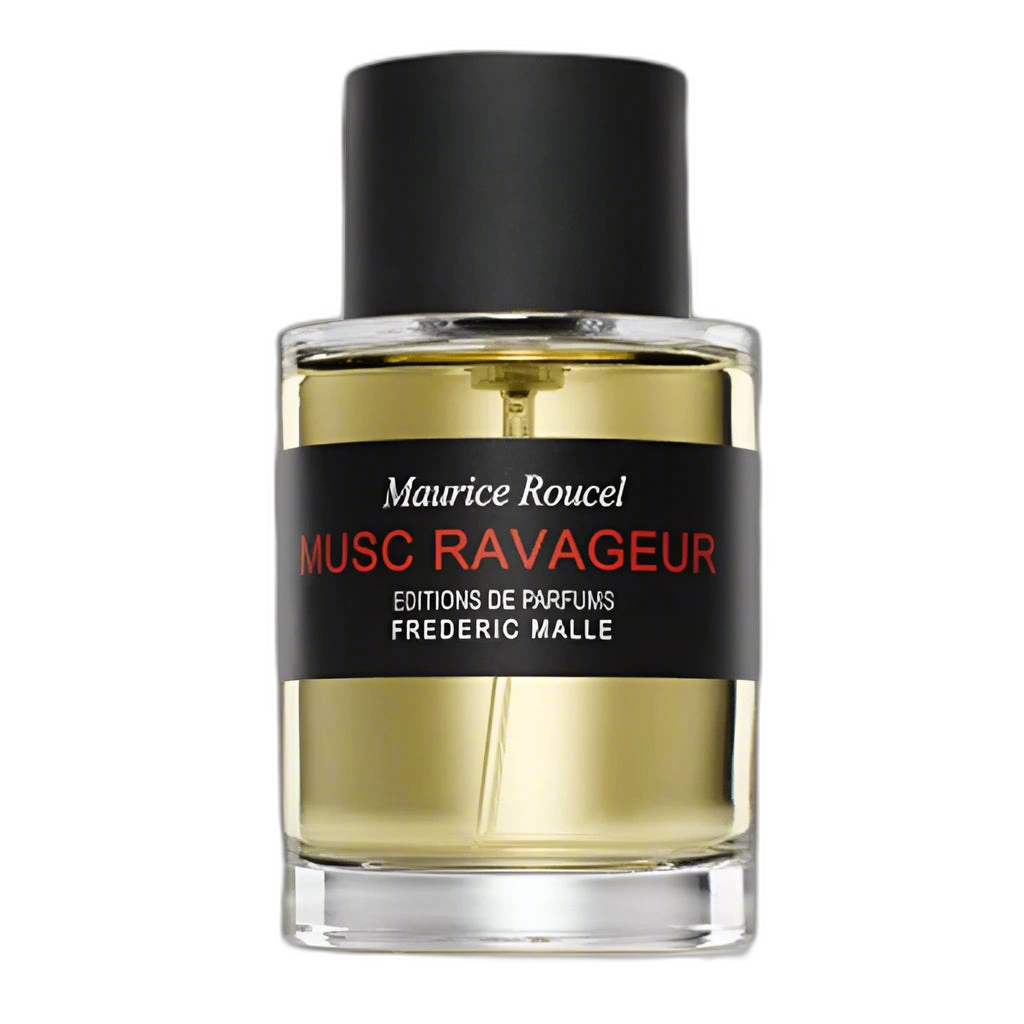
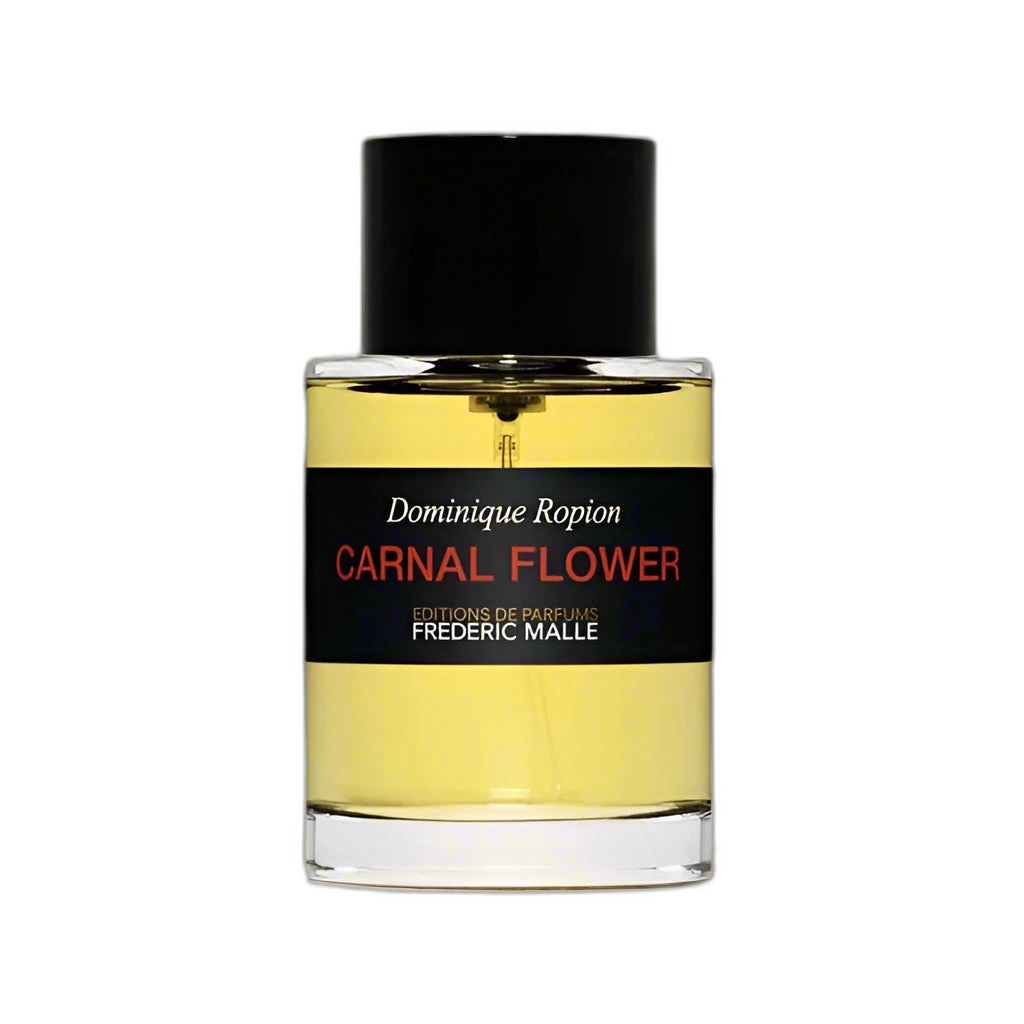
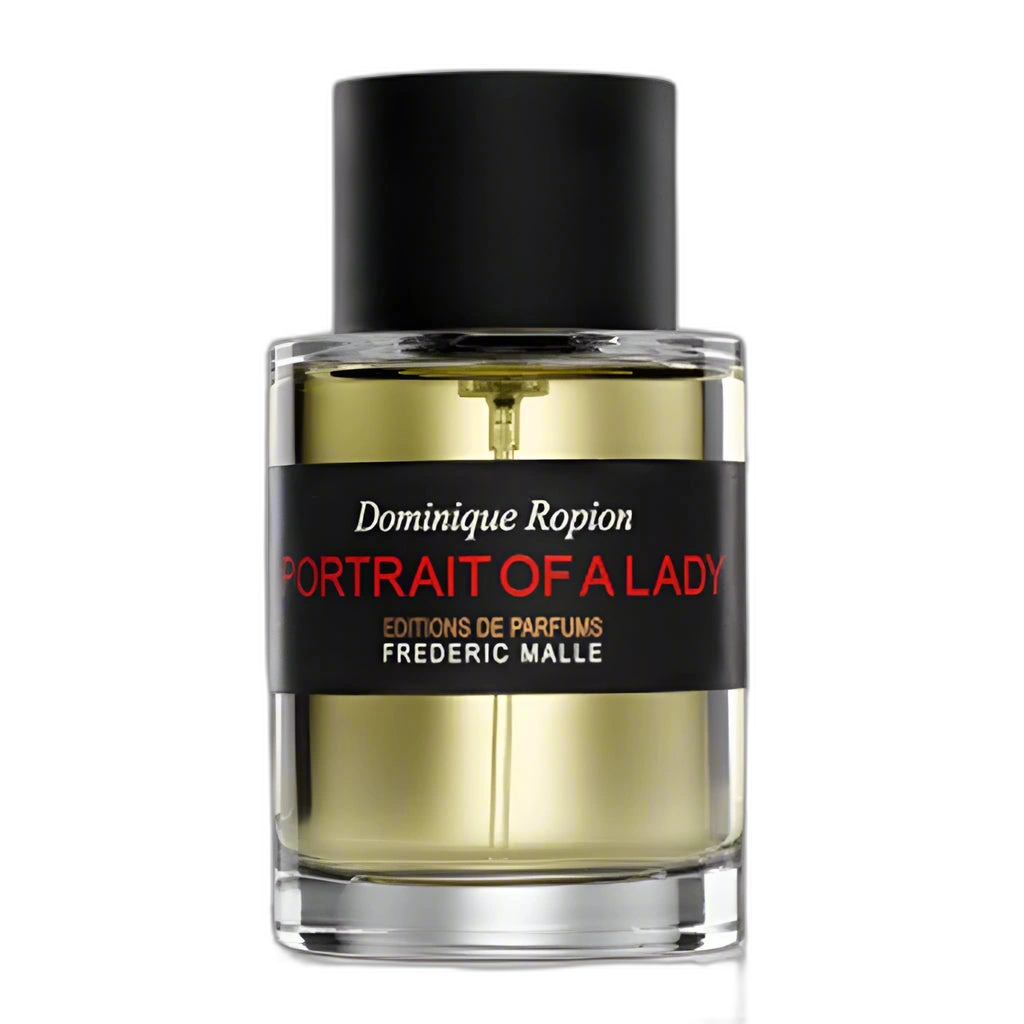
The grandson of Serge Heftler-Louiche, founder of Parfums Christian Dior, Frédéric Malle grew up around perfume and worked at the raw-materials house Roure before launching his own brand in 2000. His concept was new: act as a publisher, as in the book world, letting each perfumer compose freely, without cost or marketing constraints, and putting their name forward. In the first catalogue, Maurice Roucel signed Musc Ravageur. Dominique Ropion composed Carnal Flower (2005), a monumental tuberose, then Portrait of a Lady (2010), a patchouli rose that became the house's most famous creation. The Paris boutiques, with their smelling columns, reinforced the image of authored perfumery. In 2014 the Estée Lauder group acquired the house, while Frédéric Malle kept creative control. The model has since influenced many younger brands that now credit their perfumers openly.
An olfactory signature
The house has no single smell, but it does have a standard: concentrated formulas and noble materials used generously. Our database shows three facets. Portrait of a Lady is a dark rose, raspberry and blackcurrant over patchouli, incense and cinnamon. Carnal Flower pushes tuberose to its peak, among melon, eucalyptus and coconut. Musc Ravageur is a sensual amber, lavender and clove over vanilla, tonka and guaiac wood. The base, often woody and musky, gives remarkable staying power.
Which Frédéric Malle perfume to choose?
If you love opulent roses and incense, Portrait of a Lady is the most famous way in. Carnal Flower is for devotees of creamy, luminous white flowers. Musc Ravageur will suit anyone after a spicy, vanilla-rich amber that feels warm and slightly animalic. All three are powerful, so one or two sprays are enough, and testing on skin is essential.