Three ways feminine perfumes handle fruit
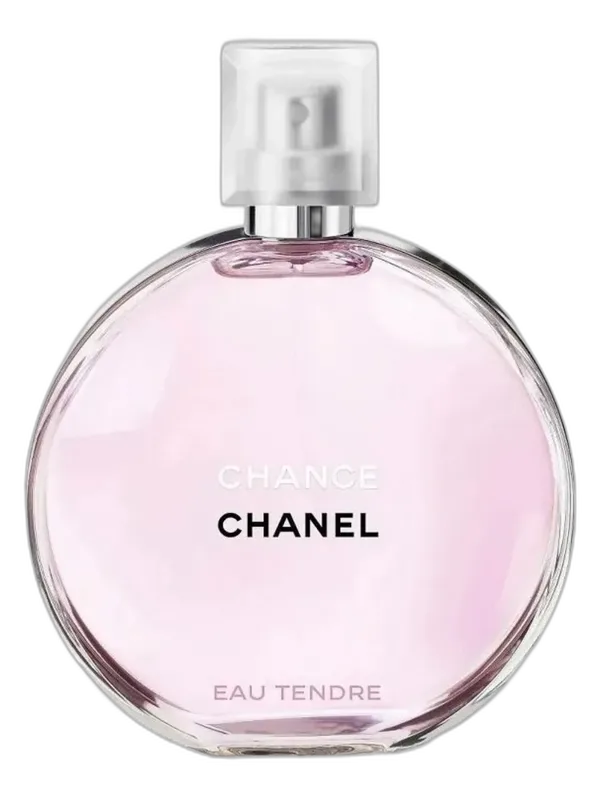
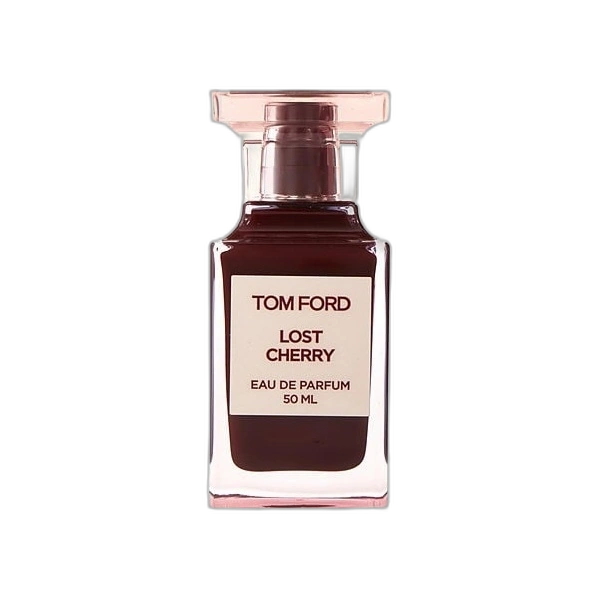
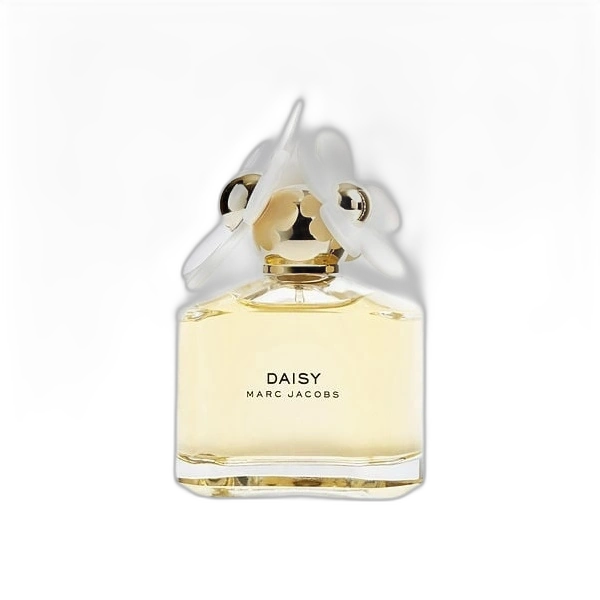
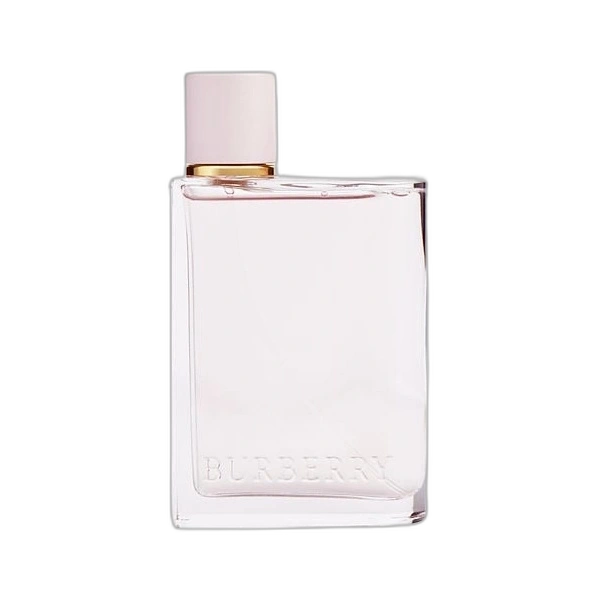
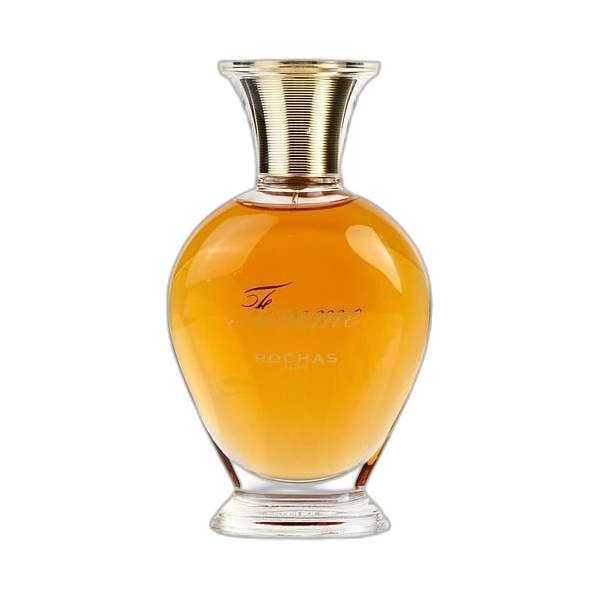
Almost no fruit can be distilled. Citrus aside, the pear or strawberry in a bottle is an accord built by the perfumer, which is why it smells so vivid at first and disappears so fast. In women's perfumes, fruit rarely works alone. Pair it with flowers and you get a clear floral fruity like Daisy or Chance Eau Tendre. Add sugar and vanilla and it turns gourmand, the road taken by Her and Lost Cherry. The oldest approach sets fruit on oakmoss to make a fruity chypre, and Rochas Femme is still the textbook case. Men's perfumes use fruit differently. An apple or a pineapple brightens the opening, then steps aside for woods. Women's perfumes let red berries, plum and liqueur cherry stay audible well into the heart. That is the appeal. It is also the risk, because past a certain dose fruit starts to smell like syrup.
How to choose a fruity perfume
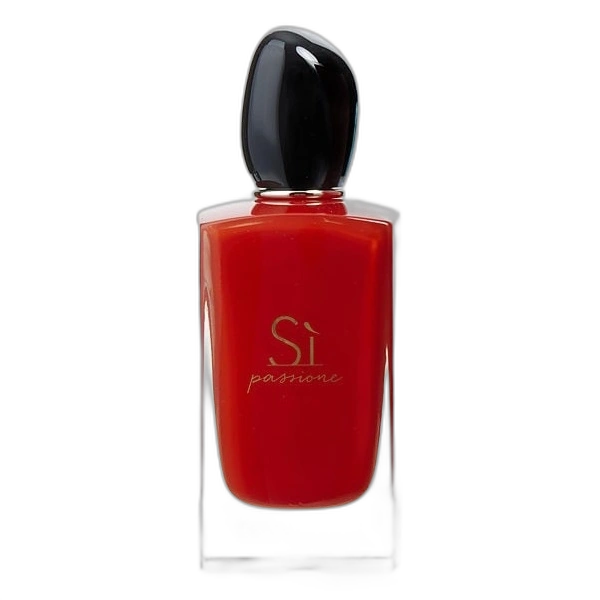
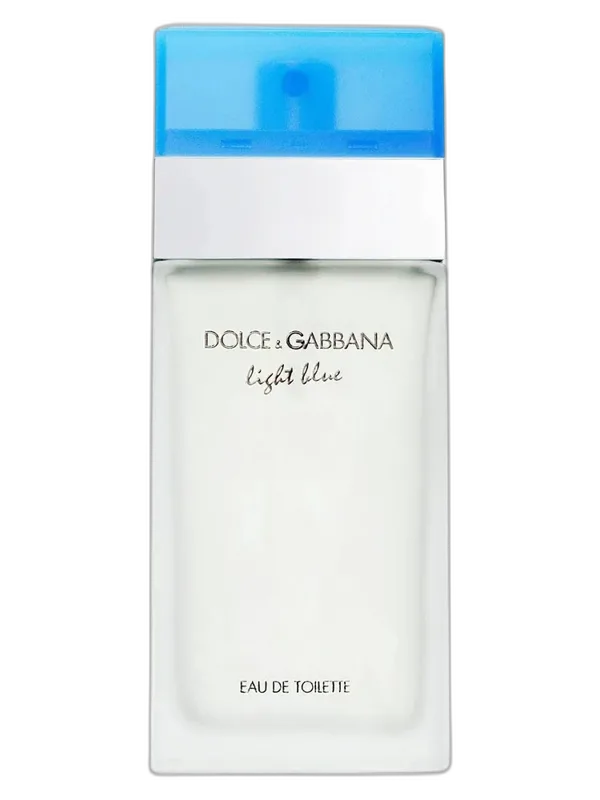
Read the base notes first. Fruit usually burns off within the first hour, and whatever is left decides whether you like the perfume. A musk and cedar base gives a clean scent that is gone by the afternoon, as with Light Blue and Daisy. Vanilla and patchouli carry the sweetness into the evening, which is how Sì Passione works. Oakmoss, as in Rochas Femme, leaves a drier and more serious trail that rarely wins people over on the first try. Then think about the season. Fresh fruit like apple and pear copes with heat. Plum and boozy cherry get heavy once the weather warms up. Finally, test on skin rather than a paper strip. Sweet fruity scents vary a lot from one person to another, and you only really know after a couple of hours of wear.