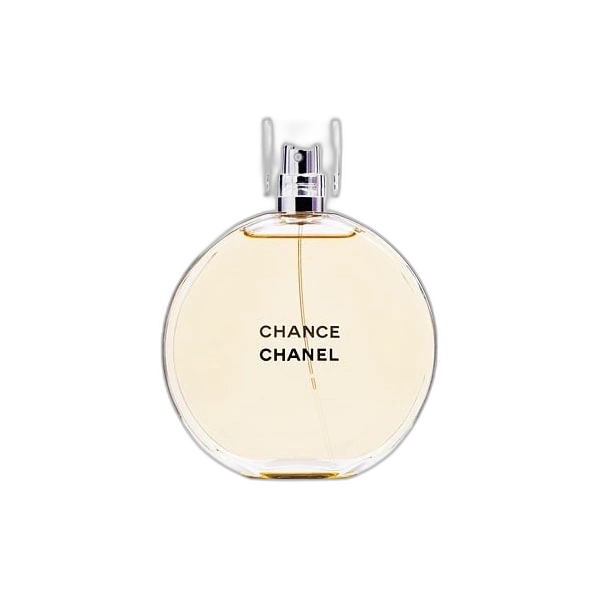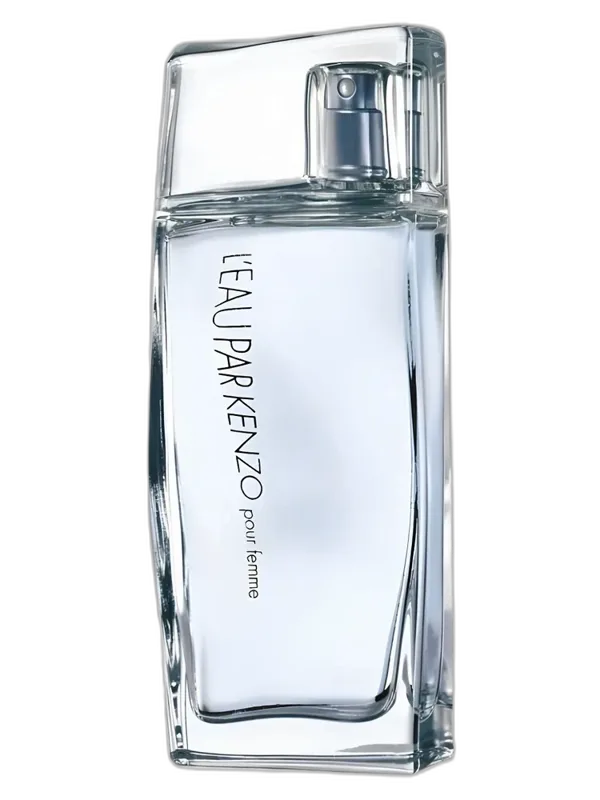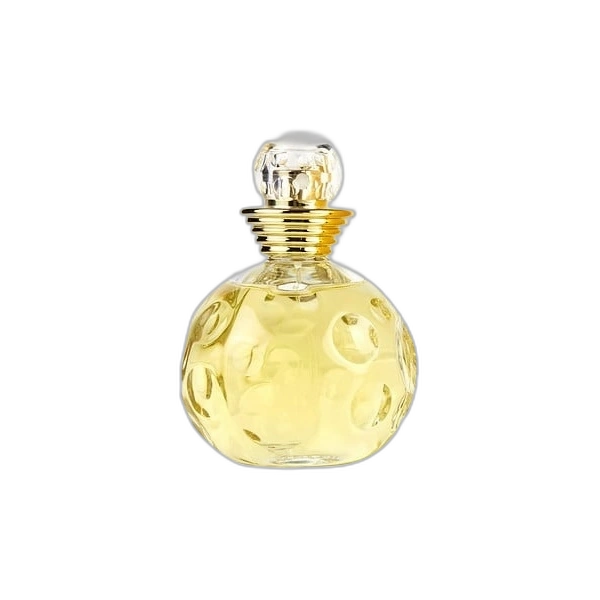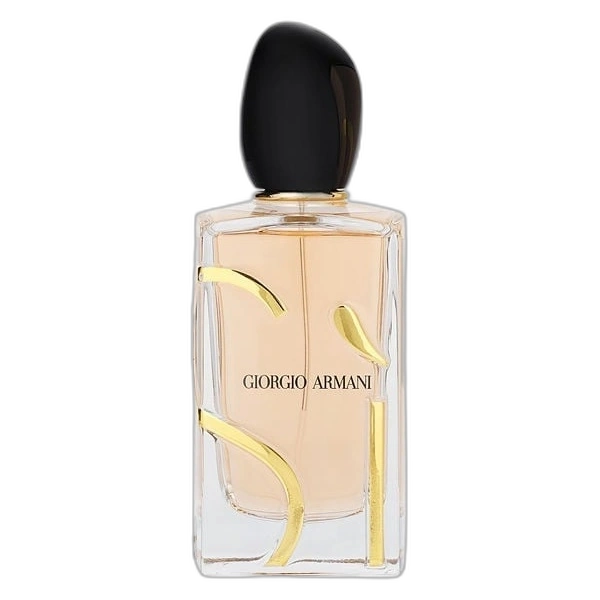
What makes a feminine floral
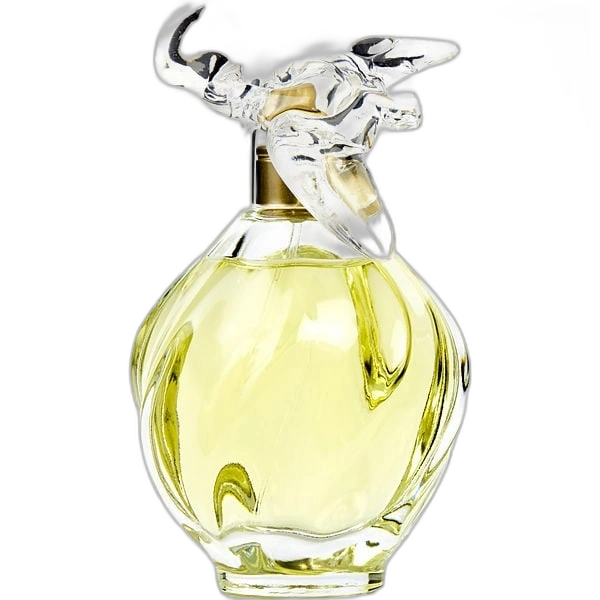
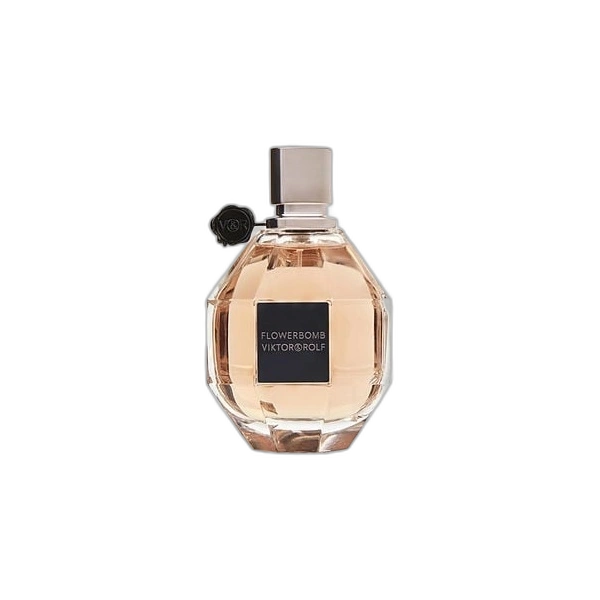
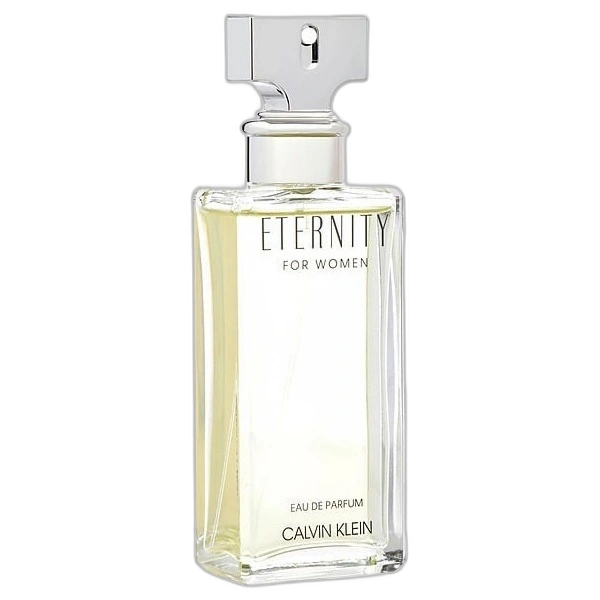
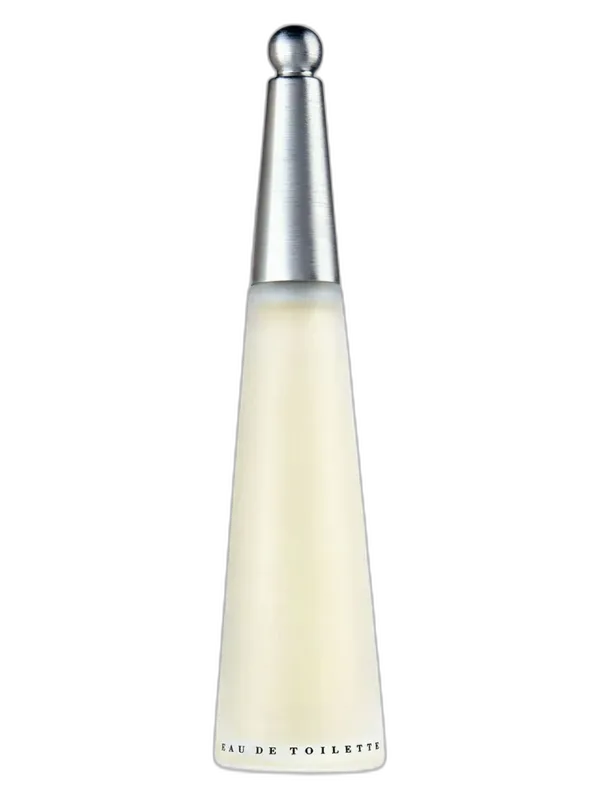
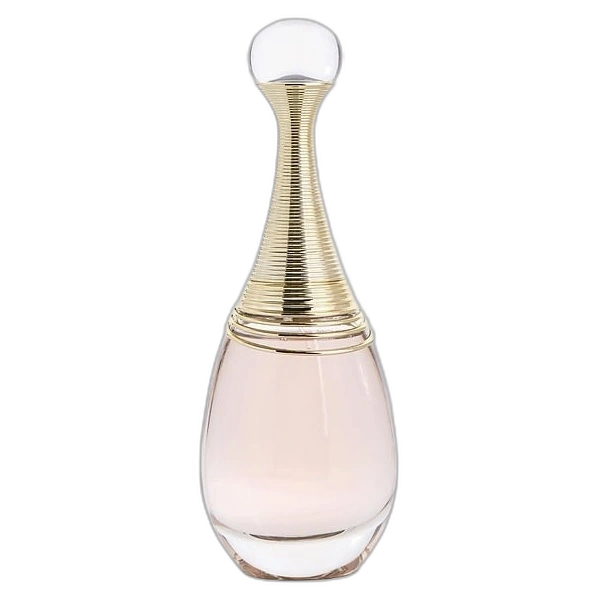
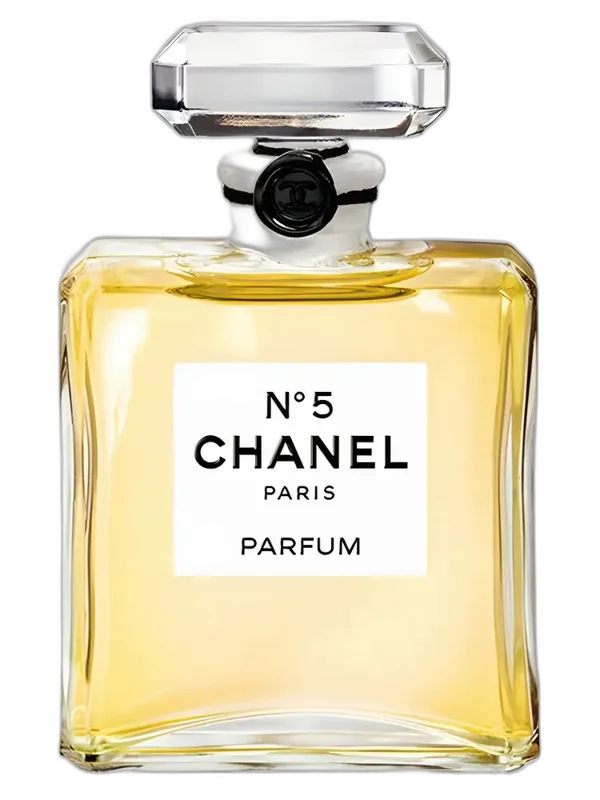
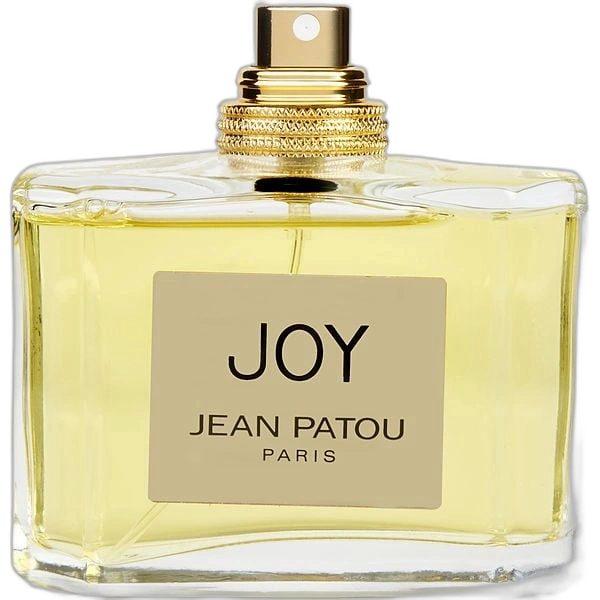
Floral is by far the biggest family in women's perfumery. Nearly every women's scent has rose or jasmine somewhere. What makes a floral is that the flower stays audible from start to finish instead of acting as a binder. Several styles coexist. The classic bouquet blends many flowers with none in charge, and Joy and L'Air du Temps are the models. The aldehydic floral, launched by No. 5 in 1921, makes the flower abstract and slightly soapy. The bright florals of the 1990s and 2000s, like J'adore and Eternity, chase light and cleanliness. The modern sweet floral lays petals on vanilla and patchouli, as Flowerbomb does. Men's perfumes use flowers too, but they hide them: an iris in Dior Homme, a violet in Fahrenheit. Women's perfumes put them front and center.
Choosing by flower and occasion
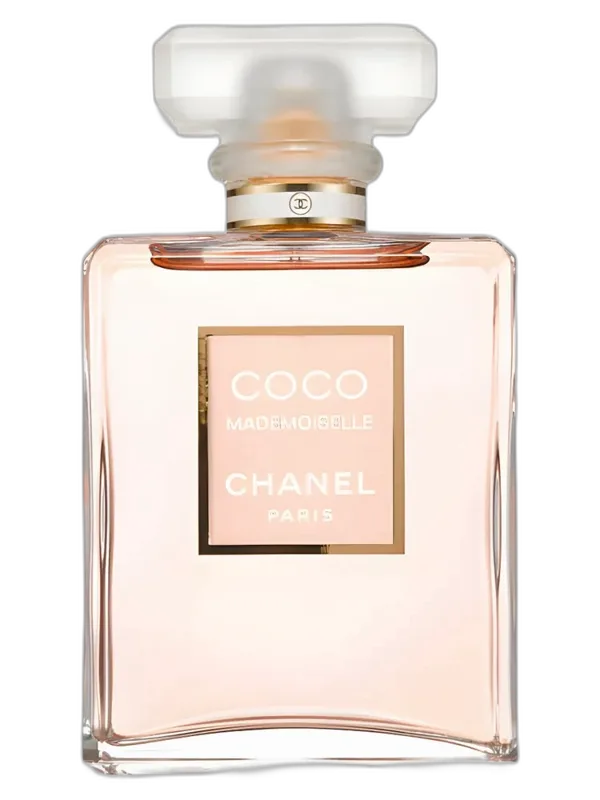
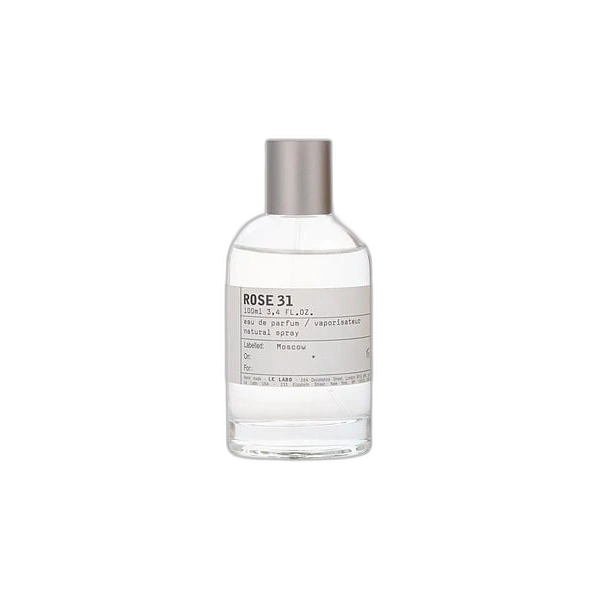
Start with the flower. Rose is the most versatile and goes from desk to dinner. Jasmine and tuberose, the white flowers, have more presence and a carnal edge that suits evenings. Violet and iris lean powdery and quieter. Then look at what carries the flowers. A musk and sandalwood base, as in L'Air du Temps or Eternity, keeps the scent close to the skin. A patchouli and vanilla base, like Coco Mademoiselle or Flowerbomb, projects far more and lasts into the night. At work, skip anything rated 4 or above on intensity, or limit yourself to one spray. For a first purchase, J'adore is the safest bet in this selection. Rose 31 is the opposite: the one you must test first, because of the cumin.