What defines the oriental family for women
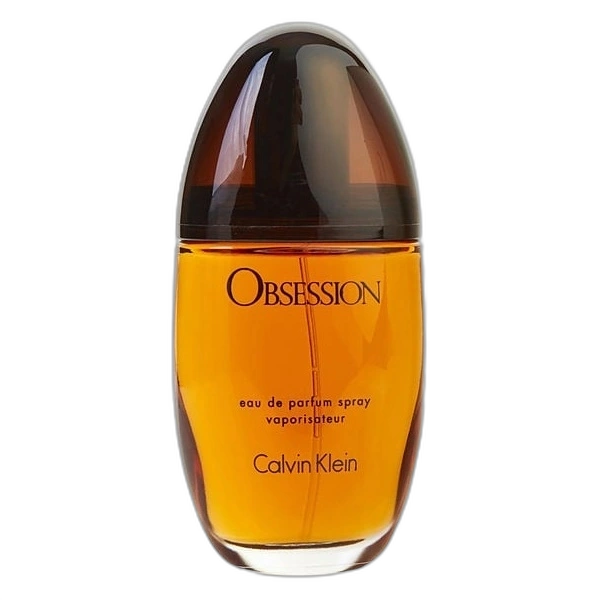
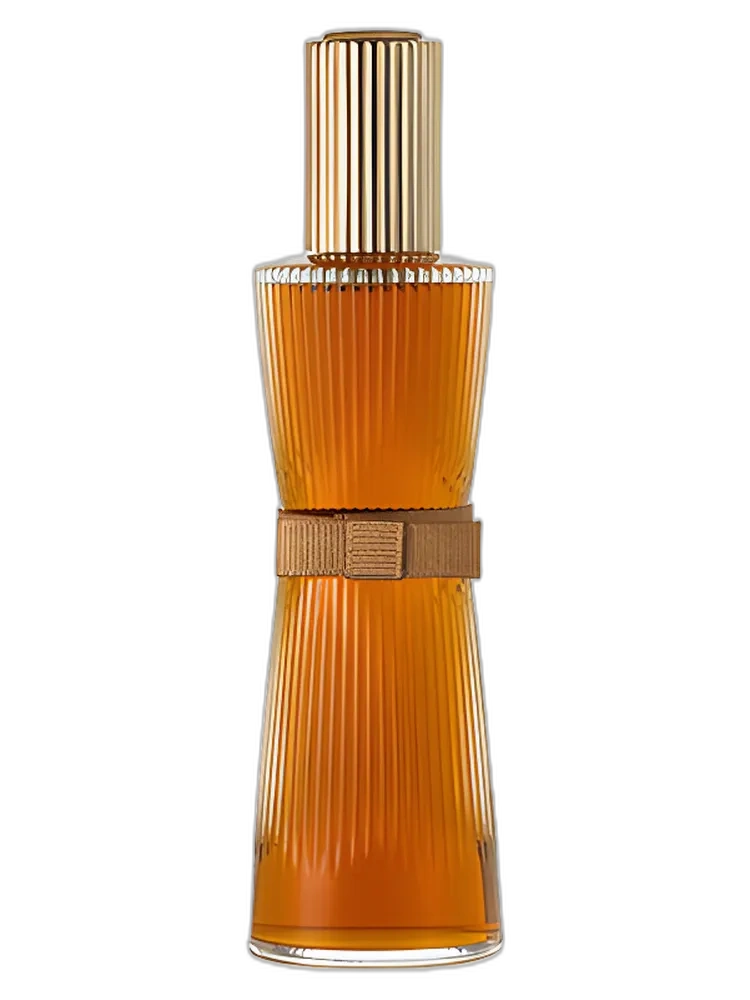
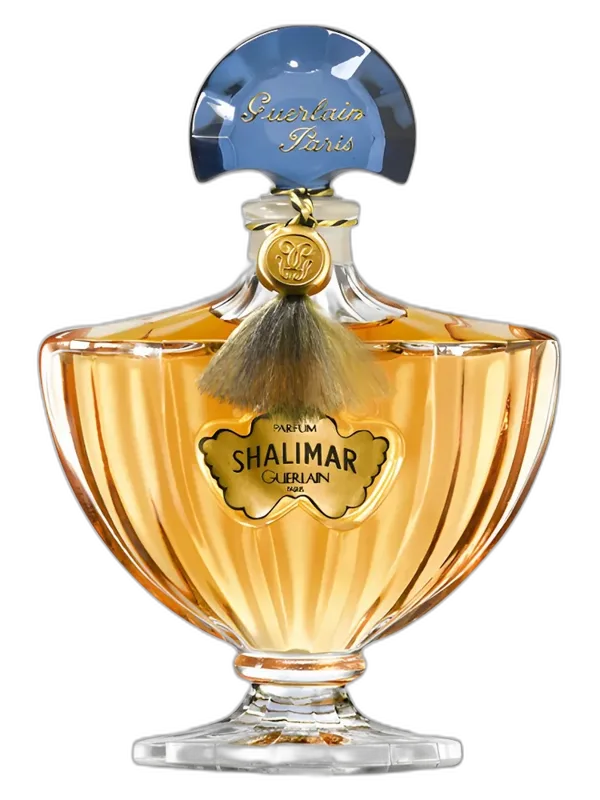
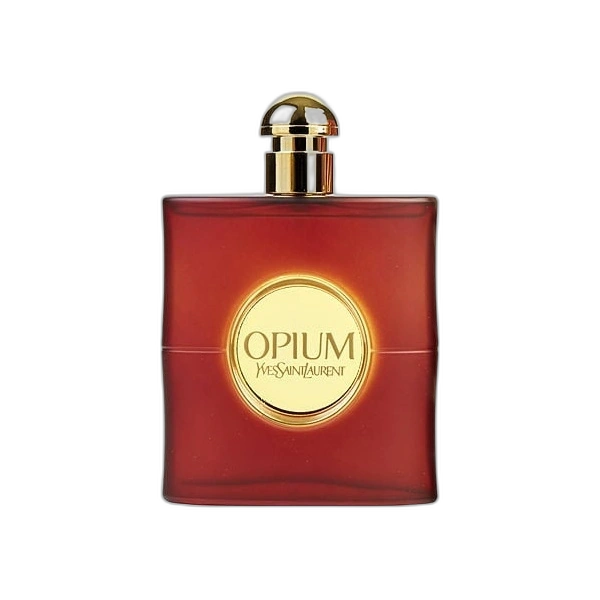
An oriental fragrance sits on a warm base of vanilla, tonka and amber. Resins such as benzoin, opoponax or labdanum often join in. Many brands now call the family amber instead. In women's perfumery that base nearly always carries heady flowers. Jasmine appears in eight of our nine picks, often with rose and sometimes with iris or tuberose. That is the big difference from men's orientals, which lean on dry spice, tobacco or leather. The women's side also has clear landmarks: Shalimar in 1925, Youth Dew in 1953, Opium in 1977, Obsession in 1985. These are powerful scents. Five of the nine are rated 5 out of 5 for strength on our pages, so go easy on the trigger. One spray is often enough to fill a room.
Vanilla, spicy or gourmand: finding your oriental
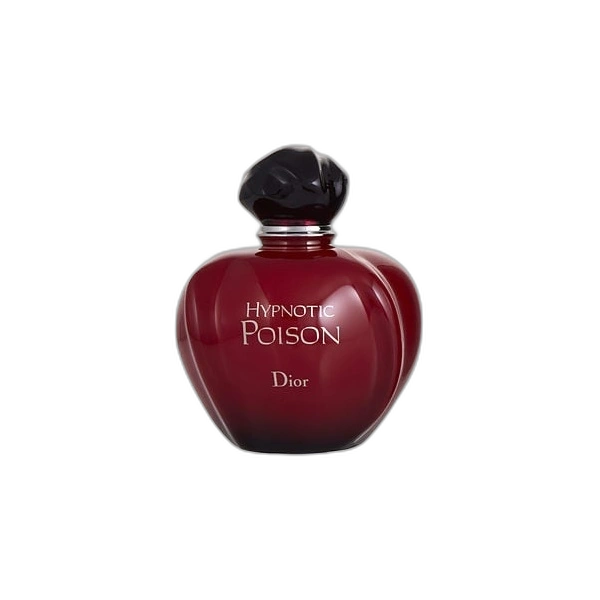
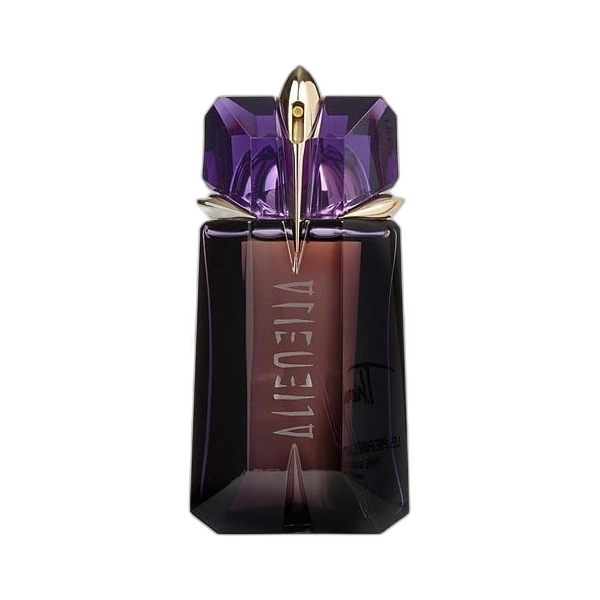
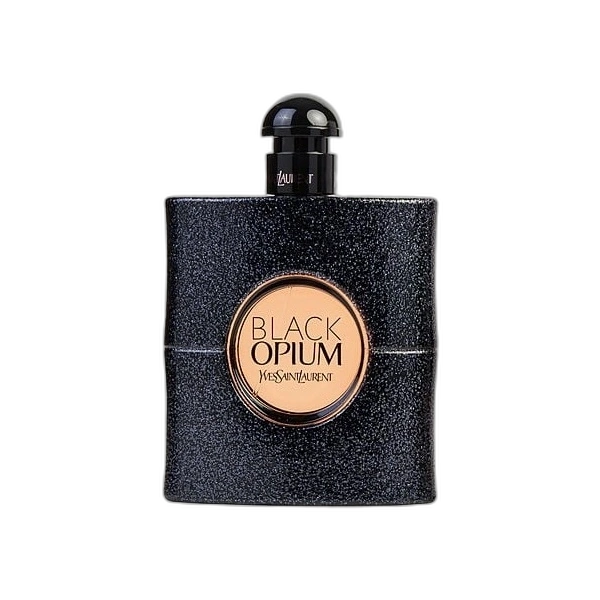
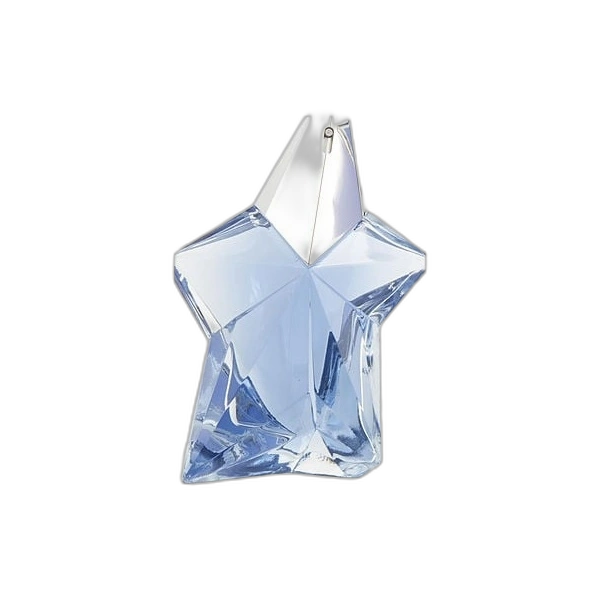
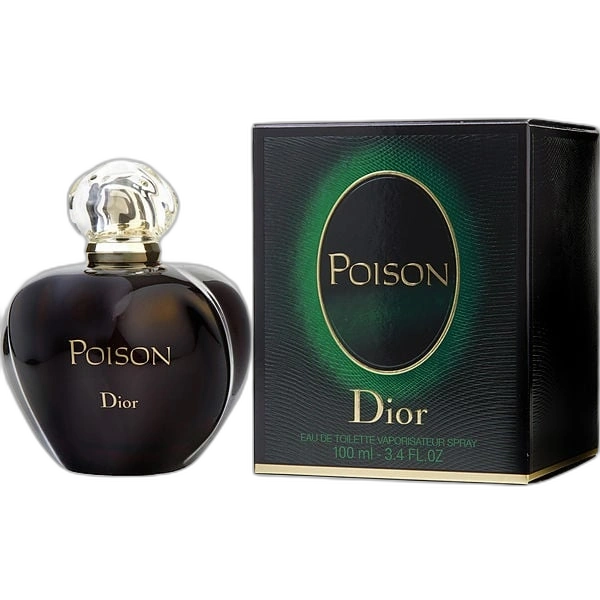
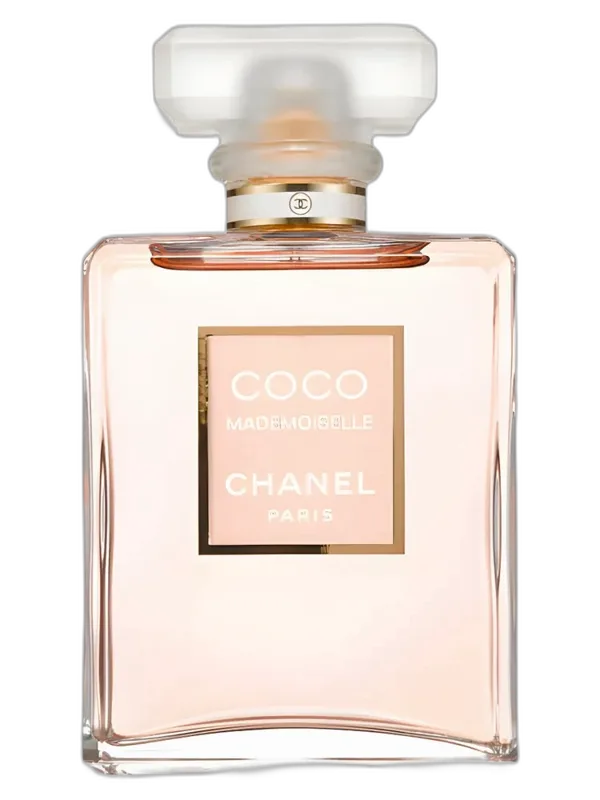
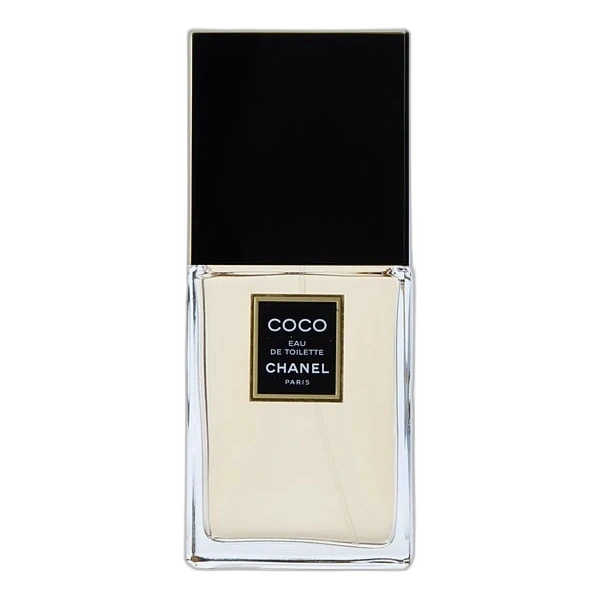
Three sub-styles show up in this ranking. Classic vanilla orientals come first, with Shalimar and Obsession: citrus up top, flowers in the heart, vanilla with incense or opoponax below. They feel formal and a bit retro, which is the appeal. Spicy orientals follow, with Opium, Coco and Youth Dew: clove and carnation, patchouli and an almost dark warmth. Gourmand orientals arrived with Angel in 1992 and continue with Hypnotic Poison and Black Opium, where vanilla meets caramel, coffee or coconut. Alien stands apart with a bright white amber. To choose, think about season and setting. All of these are fall and winter scents. Spray once on the inner elbow or the back of the neck, and keep Youth Dew and Angel away from small rooms.