What does Brazilian Rosewood smell like?
Rosewood oil smells of flowers, pale wood and soft pepper. It has nothing to do with roses despite the name. Think lily of the valley, lavender and citrus peel instead. The base stays lightly woody and fresh. In perfume it links the top notes and the woods very smoothly. It adds light without weight.
Origin and production
The tree (Aniba rosaeodora) grows in the Amazon rainforest, notably in Brazil. Wood chips are steam-distilled. Heavy exploitation in the 20th century sharply reduced wild populations. The species is now listed in CITES Appendix II, which regulates its trade. Perfumers therefore often replace it with linalool or other linalool-rich oils.
How perfumers use it
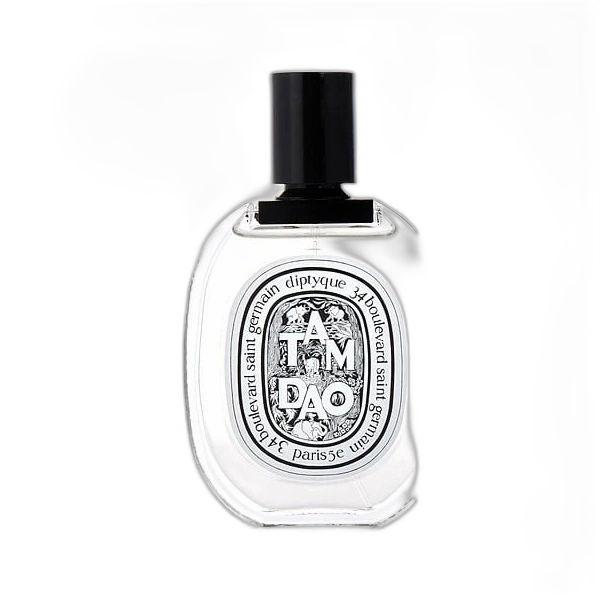
Rosewood used to bind fougères and masculine colognes together. Paco Rabanne Pour Homme used it in 1973 in an aromatic fougère. Yves Saint Laurent Pour Homme slipped it into the heart of a citrus cologne in 1971. Cartier Pasha de Cartier sets it under lavender and mint. Diptyque Tam Dao pairs it with sandalwood for a creamy woody. Paco Rabanne Ultraviolet puts it in the top.
How to wear it
Brazilian rosewood works all year. The perfumes that use it are usually polite and fine for the office. Two sprays on the neck are enough.