The story of Diptyque
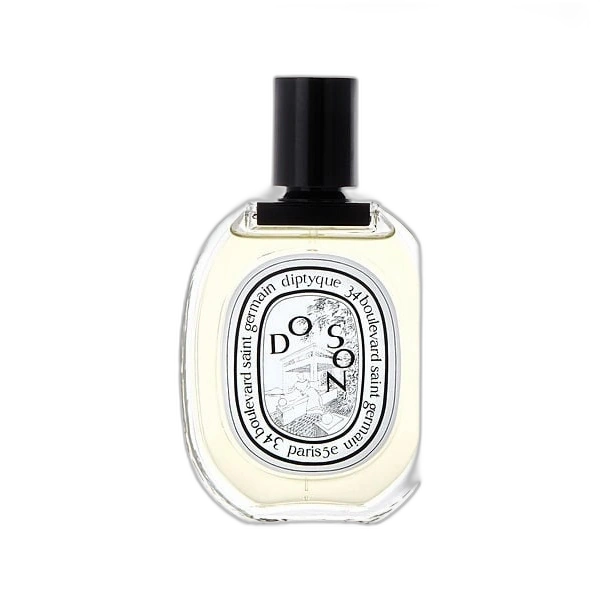
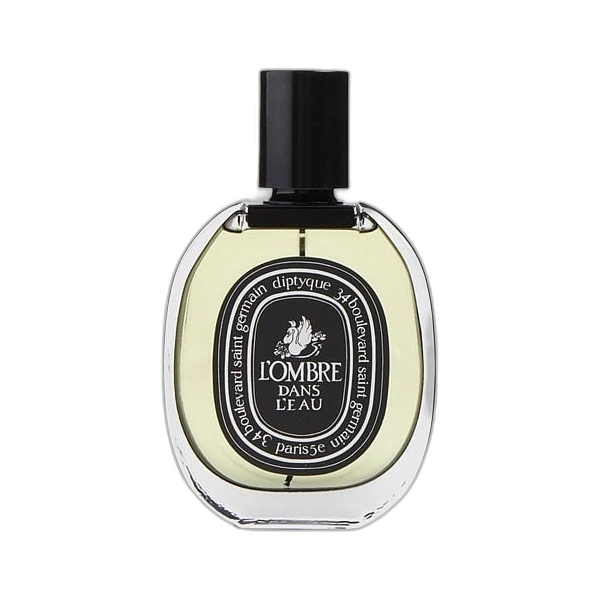
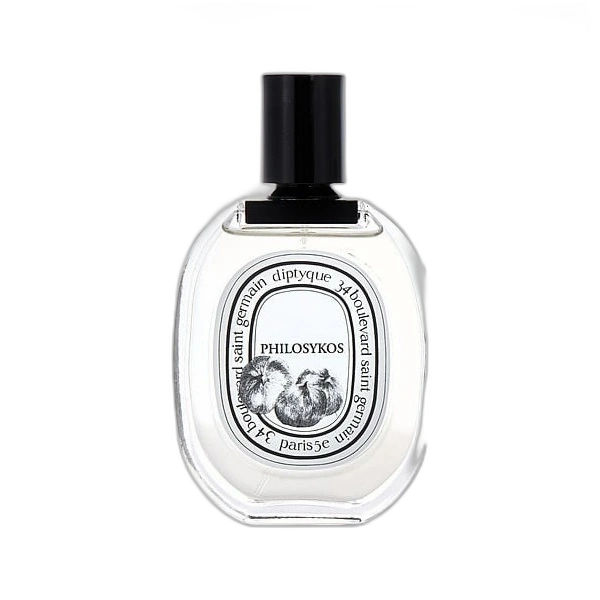
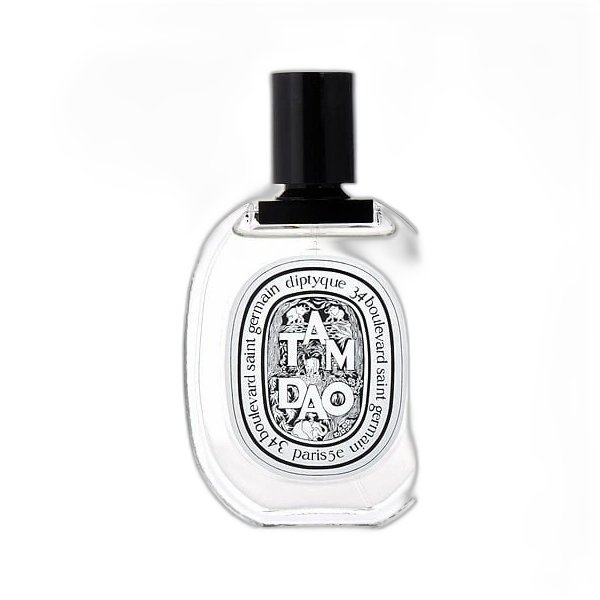
In 1961 interior designer Christiane Gautrot, painter Desmond Knox-Leet and theatre designer Yves Coueslant opened a shop selling fabrics and objects at 34 boulevard Saint-Germain. The name Diptyque refers to the shop's two windows, which face each other like the panels of a diptych. The house first became known for its scented candles, then launched its first eau de toilette, L'Eau, in 1968. The oval labels with their dancing letters, designed by Desmond Knox-Leet, became its visual signature. L'Ombre dans l'Eau in 1983, followed by Philosykos in 1996, Tam Dao in 2003 and Do Son in 2005, built a repertoire in which each scent evokes a place: a garden by the water, a Greek fig tree, a Vietnamese forest, a seaside town. Diptyque remains one of the benchmarks of Parisian niche perfumery, admired for its consistency and its refusal of loud, generic effects.
An olfactory signature
Diptyque's style is naturalistic: it seeks living materials rather than abstraction. Philosykos captures the whole fig tree, green leaf, milky fruit and wood, with a hint of coconut. Tam Dao is a creamy sandalwood lifted by cypress and myrtle. L'Ombre dans l'Eau pairs blackcurrant leaf with rose, a green and tangy contrast that feels almost like crushed foliage. Do Son softens tuberose with orange blossom and iris over benzoin and musk. Throughout, detail always matters more than effect, and restraint is part of the charm.
Which Diptyque perfume to choose?
If you love green, milky notes, start with Philosykos, the house's great fig. For a soft, meditative wood, Tam Dao offers an enveloping, unisex sandalwood. Fans of green florals should choose L'Ombre dans l'Eau, with its rose and blackcurrant. Do Son suits anyone who wants a fresh, breezy tuberose that never turns heady. All four make excellent daytime scents.