The story of Calvin Klein
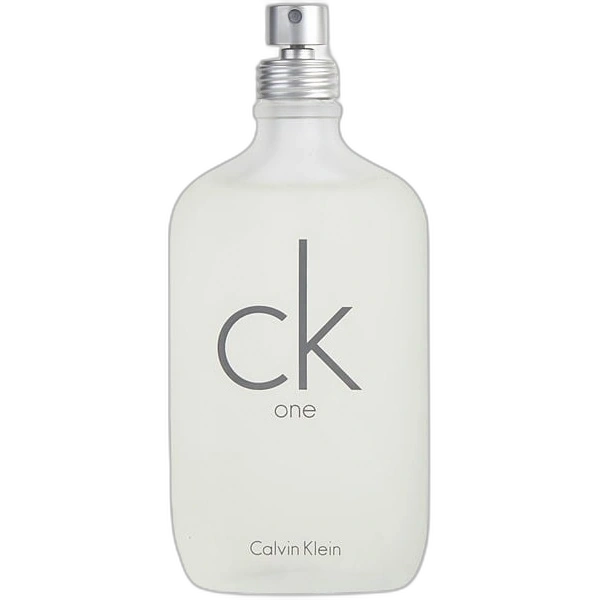
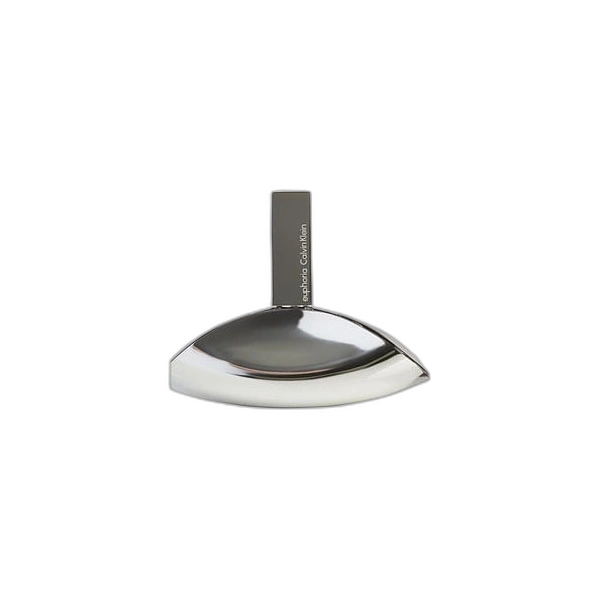
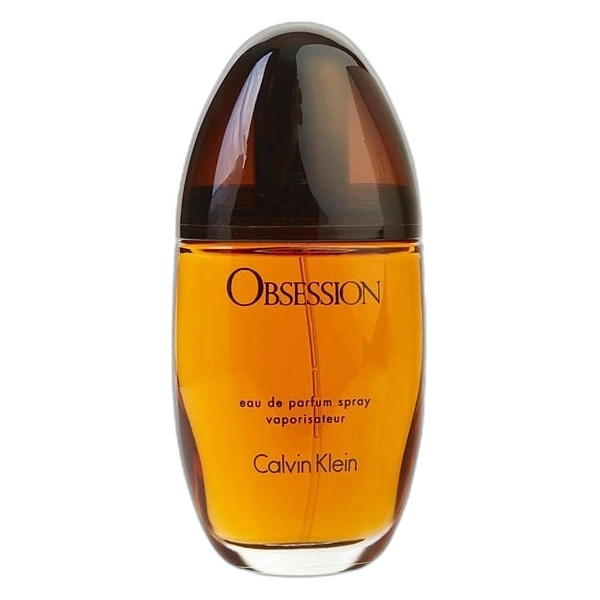
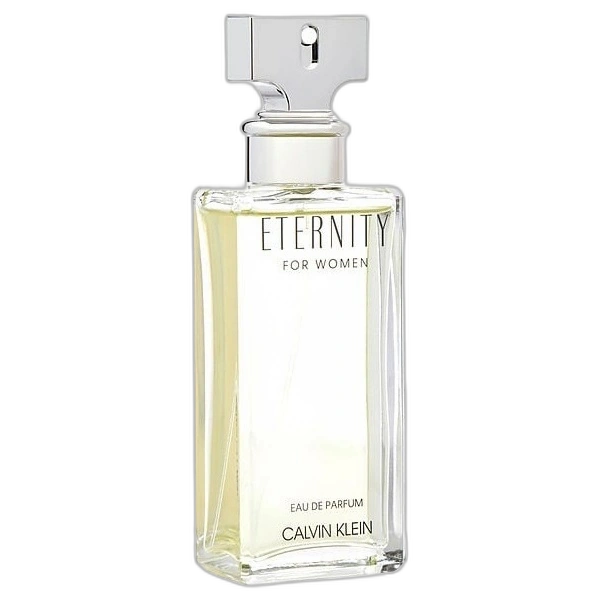
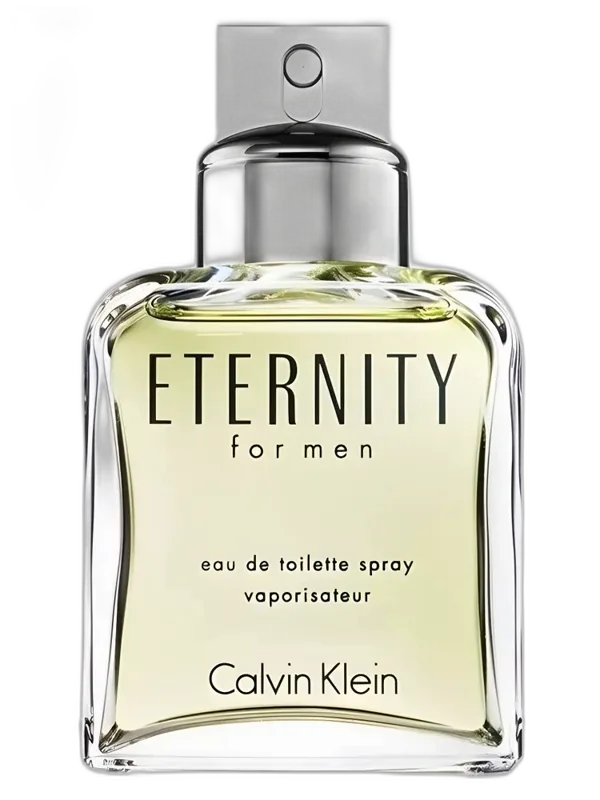
Calvin Klein founded his company in New York in 1968 with his friend Barry Schwartz, starting with coats before building the minimalist wardrobe that made him famous. Fragrance became a pillar in the 1980s. Obsession, in 1985, was an opulent amber oriental backed by provocative advertising. Eternity, in 1988, went the other way with a luminous, romantic floral, followed by a men's version in 1989. In 1994 CK One, composed by Alberto Morillas and Harry Frémont, offered a scent explicitly shared by men and women, in a frosted flask-like bottle, and became a symbol of 1990s youth. Euphoria, in 2005, returned to the floral oriental. The brand's fragrances are produced under licence, by Coty since the mid-2000s. Each of these scents is still sold today.
An olfactory signature
There is no single Calvin Klein signature, rather a set of clear archetypes. Obsession is the amber oriental at its most direct: mandarin, vanilla, orange blossom, amber, musk and incense. Eternity and Eternity for Men embody the clean floral and the clean fougère, with sage as a common thread. CK One sums up 1990s freshness in citrus, pineapple, jasmine and musk. Euphoria, darker, plays pomegranate, black orchid and mahogany. Each one is easy to read from the first spray.
Which Calvin Klein perfume to choose?
For an easy, shared freshness, CK One remains the most versatile pick. Fans of warm, enveloping scents should head for Obsession or, in a fruitier and more modern vein, Euphoria. Eternity suits anyone after a bright, clean floral. On the men's side, Ck Eternity for Men is a sober, lavender-led fougère that works well at the office.