What does Papyrus smell like?
Papyrus smells of dry stems and dusty wood, with nuances of leather, vetiver, earth and a discreet smoke. Some detect an old book or a woven mat. It is neither sweet nor floral: it is a texture note, rough and refined at once. Set in the heart or base, it unfolds slowly and gives a sense of sophisticated dryness, almost ascetic, that makes richer notes around it feel cleaner and more modern.
Origin and production
Cyperus papyrus grows along the Nile and in East African marshes, where the Egyptians turned it into their writing material. Perfumery relies mostly on cypriol, or nagarmotha, an oil distilled from the roots of Cyperus scariosus, a related species grown in India, which offers woody, smoky and leathery facets. Perfumers round out the accord with vetiver, woody molecules and sometimes leather notes. The note spread through niche woody fragrances in the 2000s and 2010s.
How perfumers use it
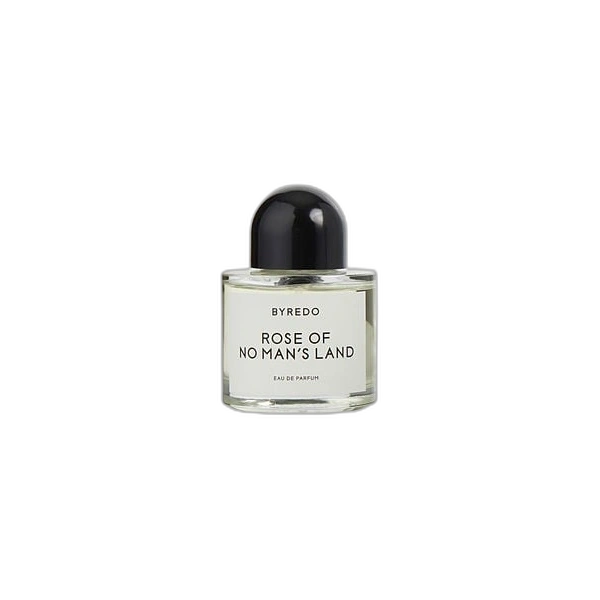
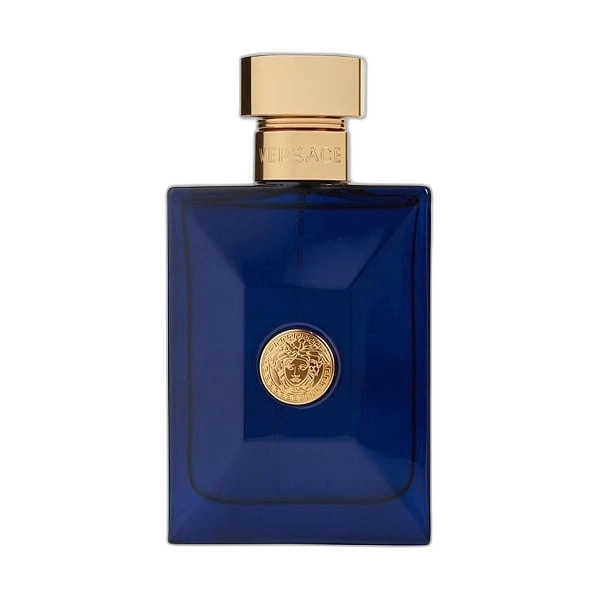
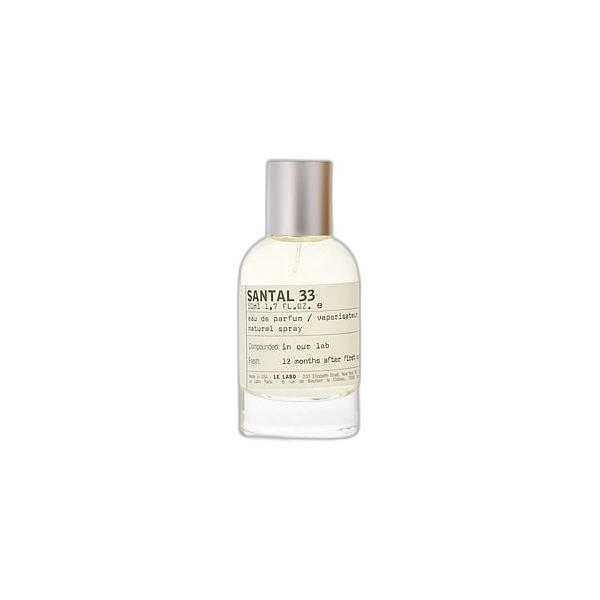
Papyrus sits in the heart or base. It pairs with sandalwood, cedar, leather, orris, incense and musks. Le Labo's Santal 33 binds it to sandalwood and Ambrox in its woody heart, Byredo's Rose of No Man's Land uses it to dry out a peppery rose, and Versace's Dylan Blue Pour Homme folds it into an aromatic, ambery heart alongside violet leaf and patchouli.
How to wear it
Year-round, with an affinity for autumn. It suits lovers of dry woods, niche fragrances and minimalist trails.