The story of Gucci
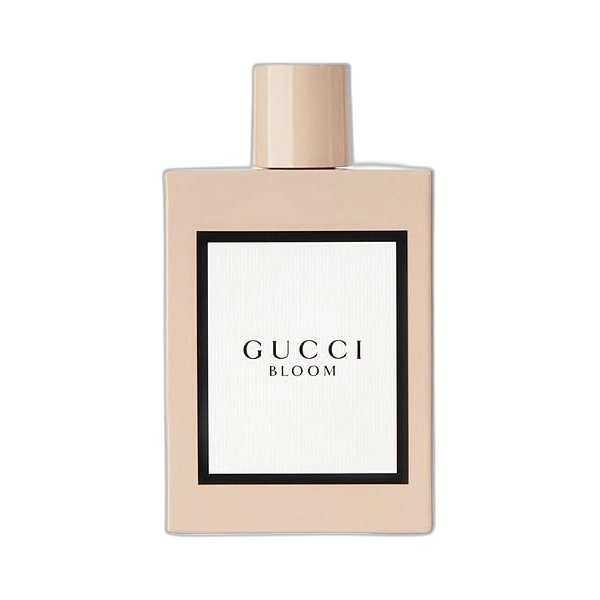
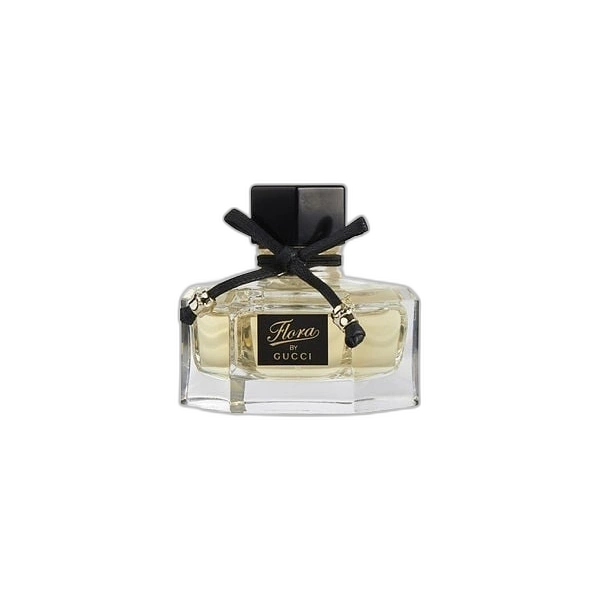
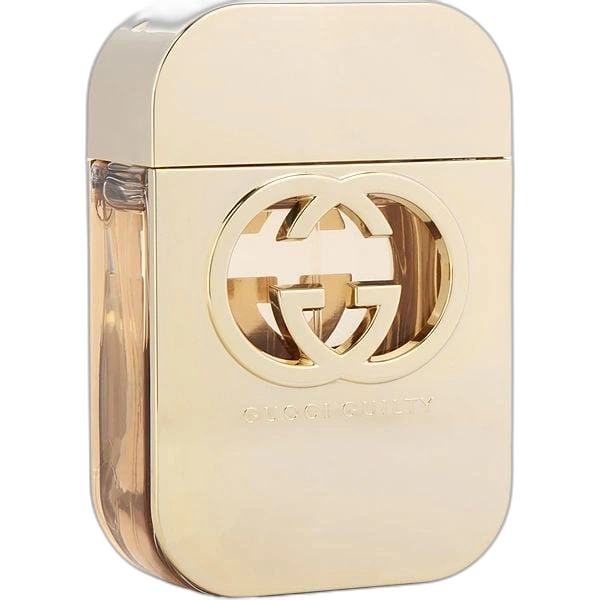
Guccio Gucci opened his first leather goods shop in Florence in 1921, reportedly inspired by the luggage he saw guests carrying at the Savoy hotel in London. The horsebit, bamboo handles and double G became the house's codes over the decades, turning it into a symbol of Italian luxury. Fragrance has been part of the story since the 1970s, but it took on a real identity under strong creative directors. Under Tom Ford, Envy and Rush marked the late 1990s. Gucci Pour Homme II (2007), Flora (2009) and the Guilty line (2010 and 2011) punctuated the following decade. In 2017, under Alessandro Michele, Bloom, composed by Alberto Morillas, reinvented the house around a bouquet of white flowers. Gucci belongs to the Kering group, and its fragrances have long been produced under licence by major beauty companies.
An olfactory signature
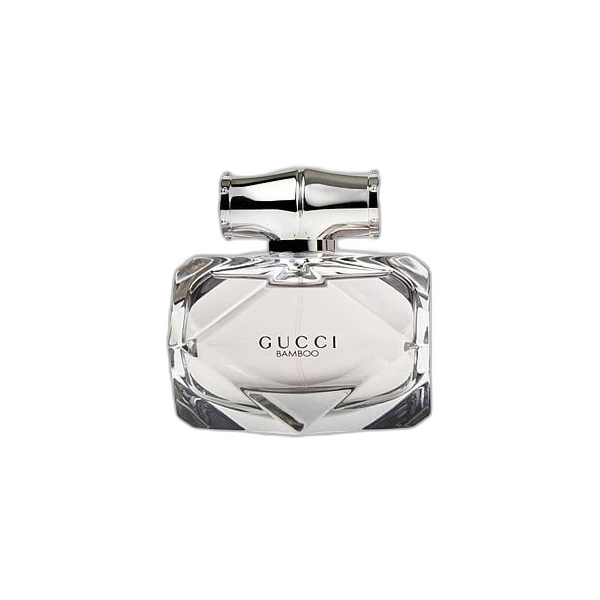
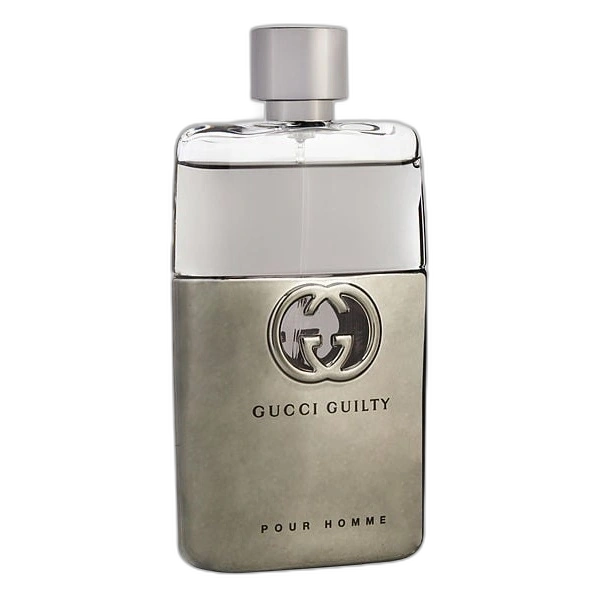
Gucci perfumery keeps returning to white flowers: tuberose and jasmine in Bloom, Casablanca lily and orange blossom in Bamboo. Flora prefers peony, rose and osmanthus; Guilty prefers peach and lilac lifted by pink pepper. On the men's side, Guilty Pour Homme pairs lavender, orange blossom and patchouli, while Gucci Pour Homme II mixes black tea, cinnamon, tobacco and myrrh. Sandalwood, musk and patchouli form a shared base across almost the entire range.
Which Gucci perfume to choose?
For a big white floral, Bloom is the most current choice; Bamboo, brighter, works well every day. Flora will suit lovers of fresh, fruity flowers, Guilty fans of peppery, ambery florals. For men, Guilty Pour Homme plays clean lavender, while Gucci Pour Homme II, with black tea and tobacco, offers more warmth and originality.