What does Incense smell like?
Frankincense surprises with its freshness. Its first facets are lemony, turpentine-like and peppery, almost fizzy. Then comes the impression of dry smoke, stone and candle wax that links it to places of worship. Less sweet than myrrh or labdanum, it stays airy. On skin it grows softer and more balsamic over the hours, leaving a woody, mineral, faintly smoky trace that feels calm and a little austere.
Origin and production
Frankincense is a gum resin that oozes from cuts made in the bark of Boswellia trees, notably Boswellia sacra in Oman and Yemen, and Boswellia carteri or papyrifera in the Horn of Africa. The dried tears are then steam-distilled into an essential oil or solvent-extracted into a resinoid. Burned in temples since antiquity, it was one of the most precious goods traded along the ancient incense route across Arabia.
How perfumers use it
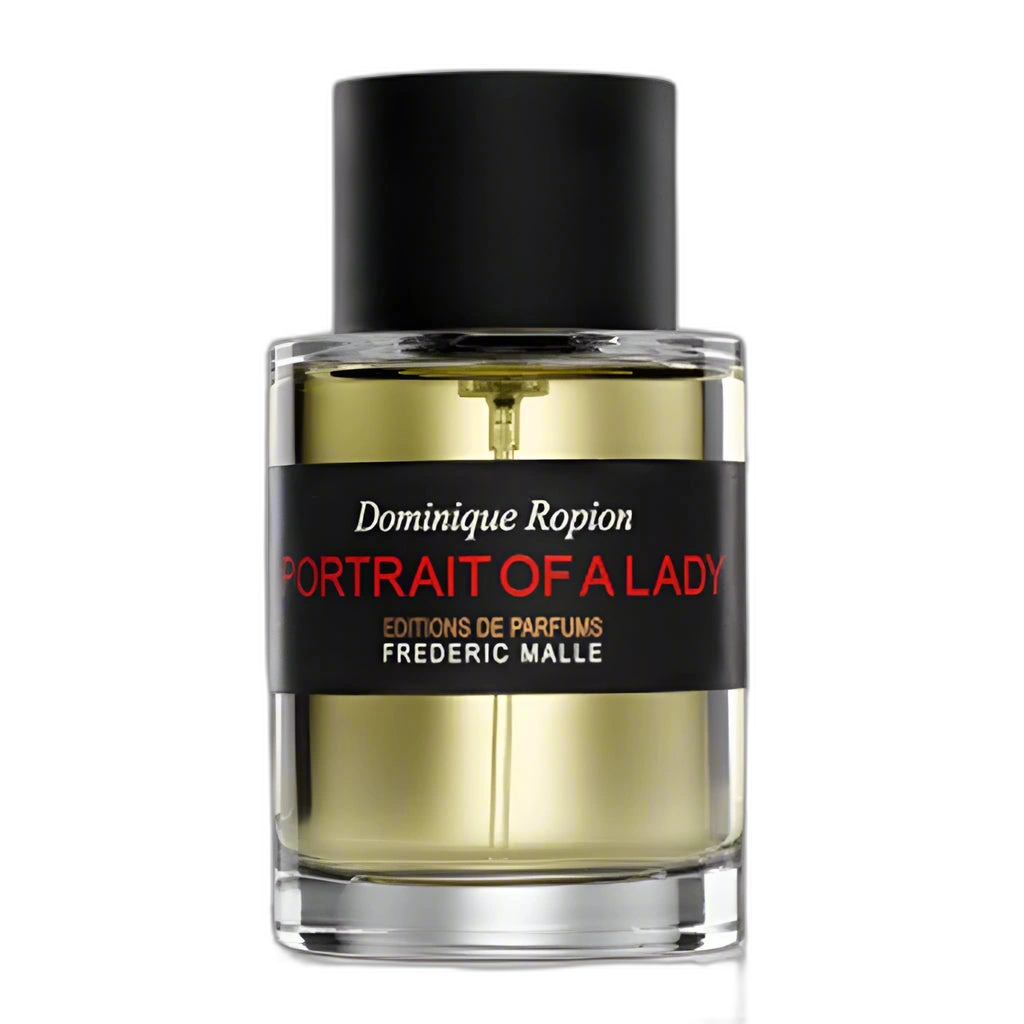
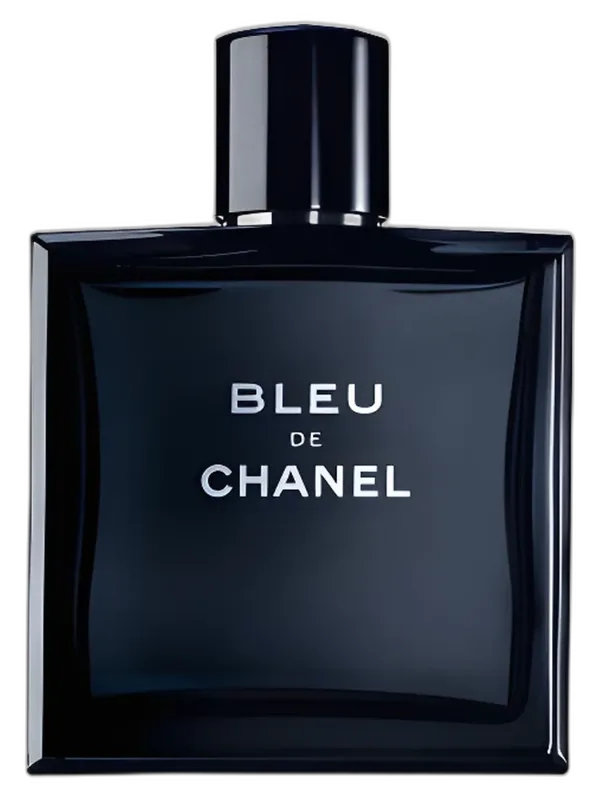
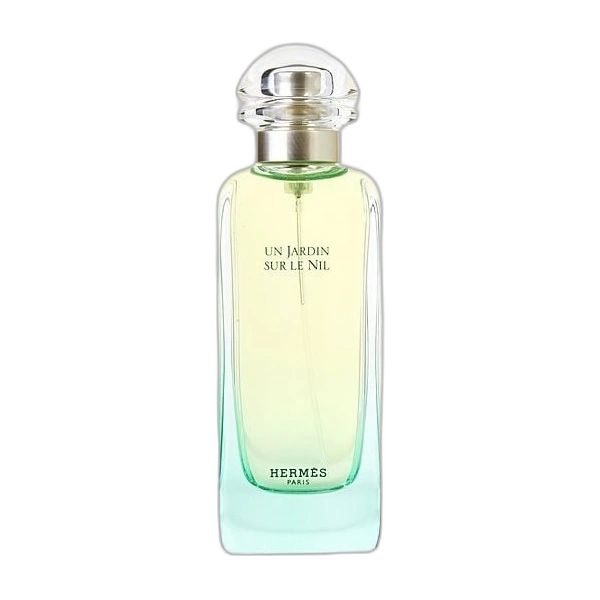
Depending on the material and dose, incense can brighten a top, structure a heart or smoke out a base. It pairs with woods, rose, iris, pepper, patchouli and amber. Bleu de Chanel uses it in the base to deepen its fresh woodiness, while Frédéric Malle's Portrait of a Lady sets it beside a dark rose. Hermès's Un Jardin sur le Nil turns it into a discreet veil behind lotus and green mango.
How to wear it
Incense suits autumn and winter evenings, though lemony versions also work in spring. It appeals to lovers of mysterious, contemplative fragrances.