What does Ambroxan smell like?
Ambroxan smells like sun-warmed skin after a swim: dry, mineral wood, a salty edge and ambery warmth with no sugar or vanilla. Some people pick up a musky, almost sensual nuance; others describe warm stone. Perception is its quirk: at high doses some noses barely register it, then it comes back in waves. On skin it radiates for a long time as a clean halo, without dramatic evolution but with remarkable staying power.
Origin and production
Ambergris, a concretion expelled by sperm whales and aged at sea, owes much of its scent to the breakdown of a compound called ambrein. In the 1950s chemists obtained a closely related molecule from sclareol, extracted from clary sage. Several suppliers sell it under trade names including Ambroxan and Cetalox, and biotech processes now also produce it by fermentation. It has made natural ambergris practically unnecessary in everyday perfumery.
How perfumers use it
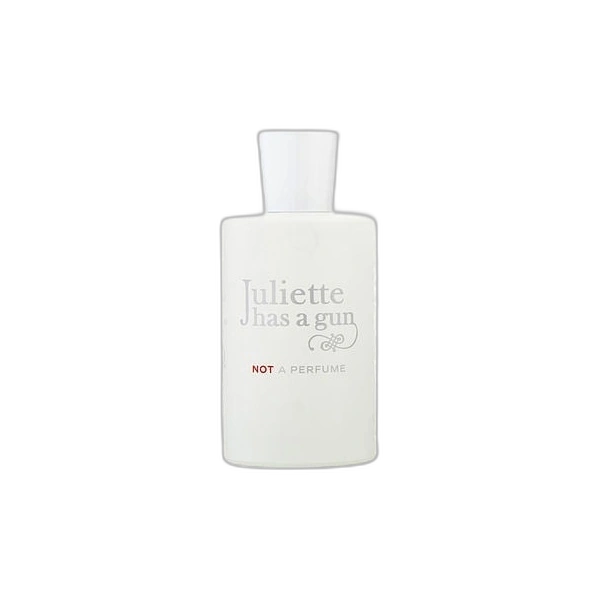
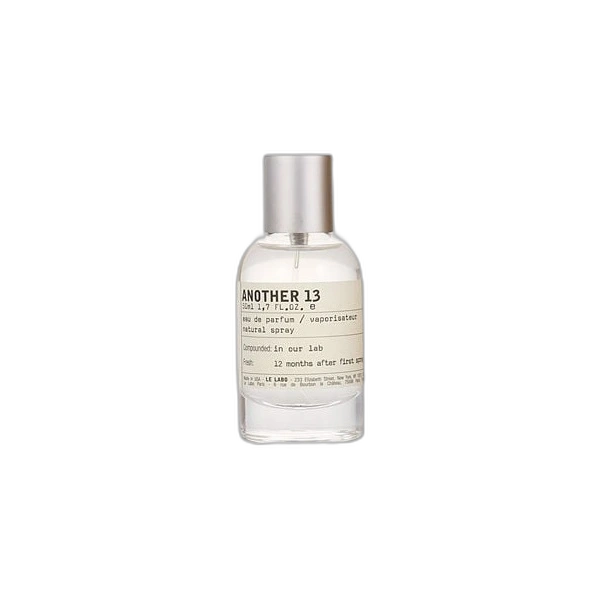
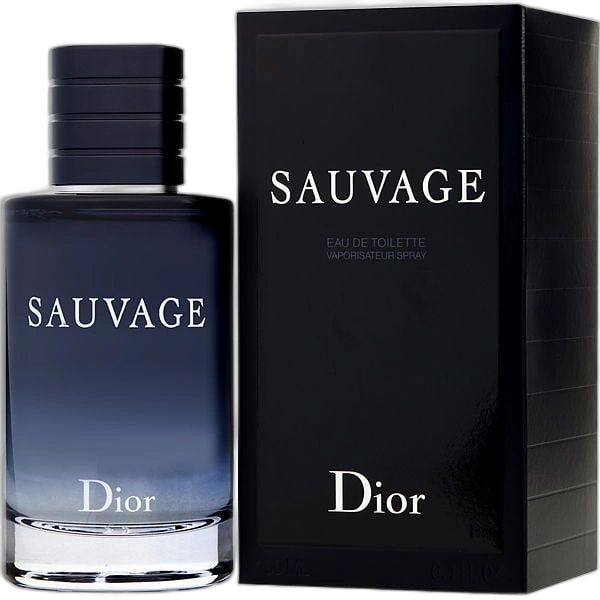
Used in the base, sometimes from the heart, it brings diffusion, longevity and a mineral texture that modernises woods and citrus. It pairs with pepper, bergamot, cedar and vetiver. Dior's Sauvage made it famous with the general public at a very noticeable dose. Not a Perfume by Juliette Has a Gun makes it almost the entire formula, while Le Labo's Another 13 blends it with musks for an abstract second-skin effect.
How to wear it
Versatile, Ambroxan works in every season, at the office or at night. It suits people who like clean, woody, long-lasting scents without sweetness.