Our take
What does Sì smell like?
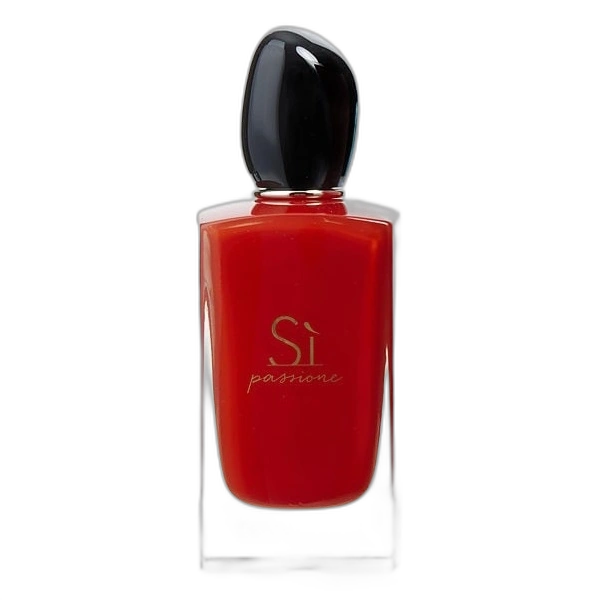
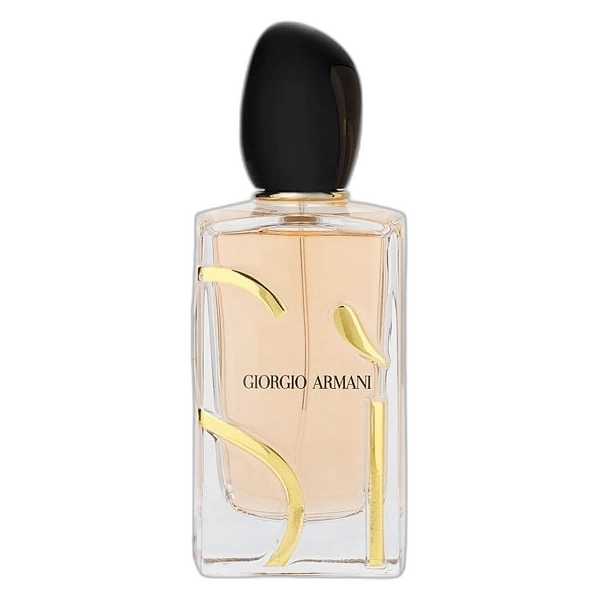
Sì (Italian for yes) was launched by Giorgio Armani in 2013 and composed by Christine Nagel. It reworks the chypre structure with contemporary tools, swapping oakmoss for a patchouli-and-Ambroxan duo. The opening is dominated by a juicy, slightly dark blackcurrant brightened by mandarin and bergamot. At the heart, rose, freesia and osmanthus (a flower with apricot and leather facets) extend that fruitiness. The base is Sì’s real signature: an unctuous, faintly powdery vanilla made more grown-up by patchouli and by the warm, woody, slightly salty glow of Ambroxan. The result is chic, round and very long-lasting, in the lineage of the great modern fruity chypres.
When to wear it
Wear it in the evening or at the office in cooler weather; it suits women who want sophistication without difficulty.
The story of Sì
Armani launched Sì in 2013, three years after Acqua di Gioia. The goal was different this time: a big evening fragrance for women that could last, from a house mostly known for light and watery scents. Christine Nagel, who had composed Miss Dior Chérie in 2005, wrote the formula. It was one of her last major mainstream launches before she moved to Hermès in 2014. Context matters here. Restrictions on oakmoss had forced perfumers to rethink the chypre, and many rebuilt it with cleaned-up patchouli and ambery woods. Sì belongs to that wave, with blackcurrant pushed right to the front. Cate Blanchett fronted it from day one. Casting an established actress in her forties went against the very young faces that usually sell mass-market florals, and it fit the idea of a woman who knows what she wants. The line has branched out a lot since, with Sì Passione in 2017, redder and fruitier, and several intense and floral variants.
Our detailed review
Blackcurrant opens hard, almost winey, with the sulfurous bud note that recalls cassis syrup cut with water. Mandarin barely lightens it. After half an hour, rose and osmanthus take over without ever quite asserting themselves. The heart is a bridge rather than a subject, and freesia registers mostly as cleanliness. The real perfume starts around hour two. Vanilla thickens, patchouli throws an earthy shadow across it, and ambroxan adds a salty grain that carries. On a sweater the next day it smells of salted butter caramel and pale wood. In winter it is excellent, polished without being cold. Our complaint is that the chypre phase is so short. After four hours the sugar wins and the structure fades behind a fairly standard vanilla. It suits women who want one perfume for both the office and dinner, with real presence. Anyone looking for an old-school chypre, mossy and bitter, will be disappointed.
Sì vs its rivals
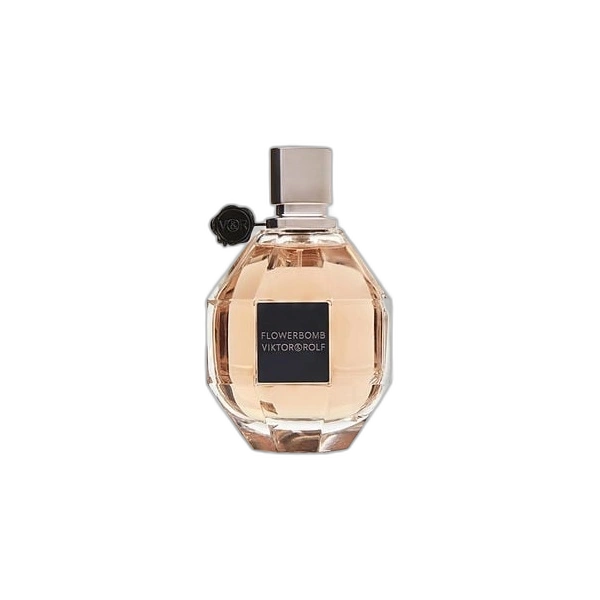
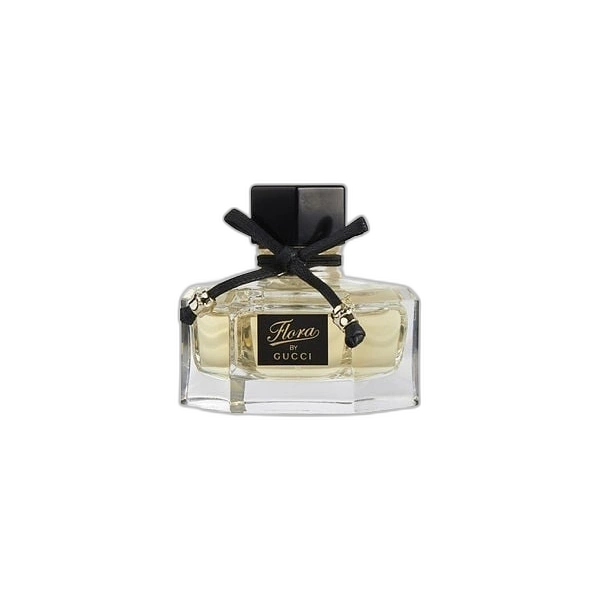
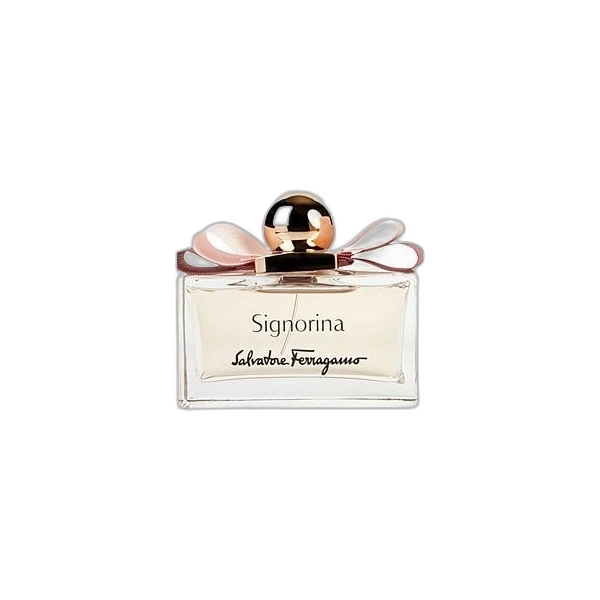
Viktor & Rolf's Flowerbomb is the closest in structure, with osmanthus, rose, patchouli and vanilla on both sides. Flowerbomb builds around jasmine and a sugary orchid, with tea at the top, so it smells more floral and powdery while Sì bets everything on blackcurrant. Ferragamo's Signorina also shares blackcurrant and patchouli. Its panna cotta and peony make it younger and milkier. Gucci Flora picks up rose, osmanthus and patchouli over sandalwood and skips vanilla entirely. It is the lightest of the three, a spring floral. For an evening scent that lasts through the night, take Sì. For a sweeter and more theatrical floral, Flowerbomb. Signorina is the easier daytime choice.
Longevity, projection and use
Sì lasts. This eau de parfum, rated 4 out of 5 for intensity, holds eight to ten hours on skin in normal conditions and much longer on wool. Projection is clear for two or three hours, then stays noticeable at arm's length. Two sprays are enough, three for a long night out. Apply to the chest and the back of the neck, where body heat lifts the vanilla. Wear it from autumn to spring. In an open-plan office, one spray keeps things polite. In summer the vanilla gets heavy, and we'd leave it on the shelf.
It belongs to the Floral, Chypre family. Sì is one of 9 creations by Giorgio Armani in our encyclopedia.