What does Angelica smell like?
Angelica is hard to pin down. It starts green and earthy, with a celery and carrot side. A peppery, almost aniseed note follows. Then comes the surprise: a soft, clean musk. That facet comes from musky molecules naturally present in the root. In perfume it gives citrus some relief and ambers some depth. A small dose is enough, since it takes over quickly.
Origin and production
Garden angelica (Angelica archangelica) grows in northern Europe, from Scandinavia to the wetlands of France. The Marais Poitevin is known for candied angelica from Niort. Roots and seeds are steam-distilled. Root oil is earthier, seed oil fresher. The plant also flavours liqueurs such as Chartreuse and goes into many gins.
How perfumers use it
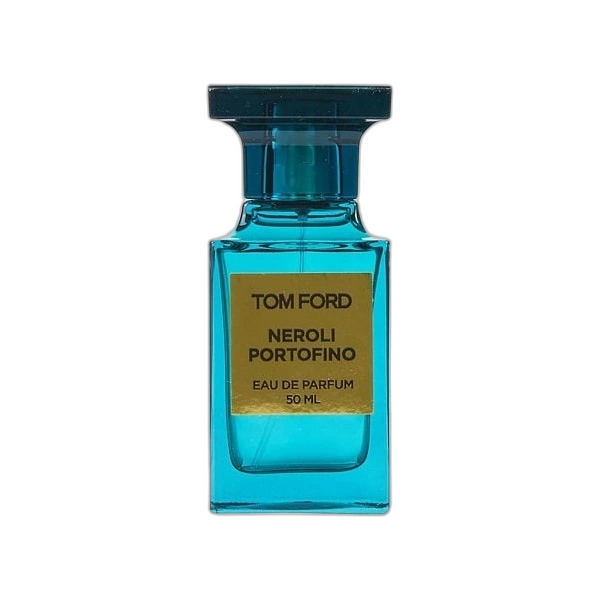
Angelica links a citrus top to a musky base. It likes bergamot, neroli and resins. Tom Ford Neroli Portofino (2011) uses it in the base to stretch the freshness. Serge Lutens sets it in the heart of Ambre Sultan (1993), where it lightens the benzoin. Guerlain Angélique Noire (2005) puts it in the top against a thick vanilla. Sisley Izia (2017) blends it with rose.
How to wear it
Angelica works year-round depending on what surrounds it. Neroli Portofino is for summer, two sprays on the nape. Ambre Sultan waits for winter.