Guide

The fragrance pyramid explained, from top notes to base notes

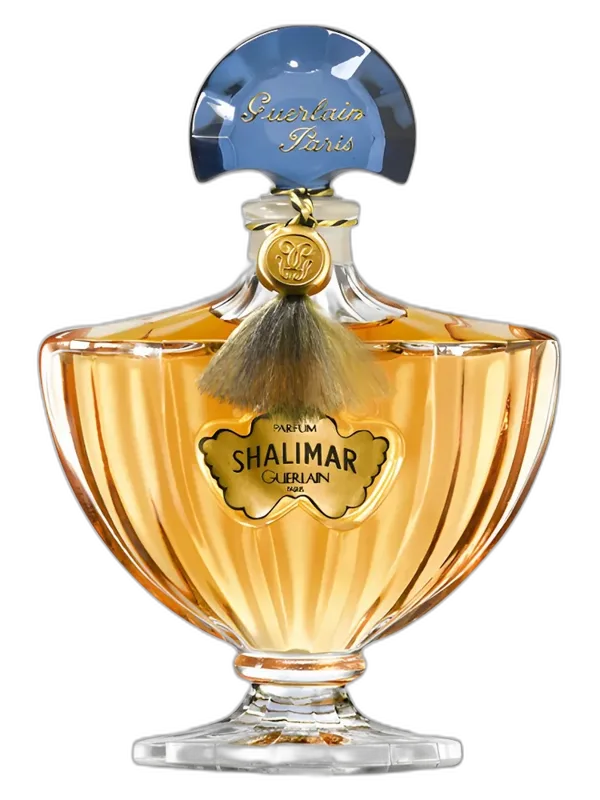
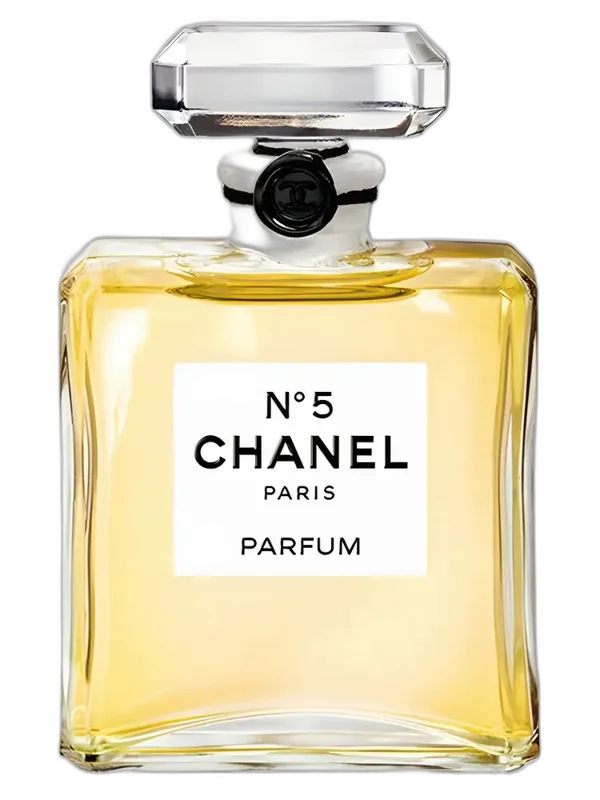
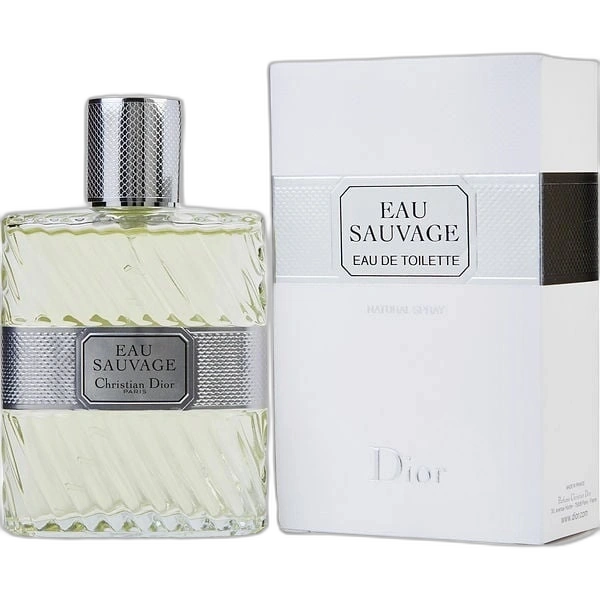
Top notes are what you smell first, in the opening minutes. Heart notes take over for a few hours, and base notes stay until evening. The reason is physical: light molecules evaporate faster than heavy ones. Guerlain’s Shalimar is the clearest example, with bergamot that melts into vanilla. Chanel N°5 and Dior’s Eau Sauvage round out our set of examples. Each one shows the pyramid working in a different way.

7perfumes reviewed
25perfumes compared
Shalimar GuerlainN°5 ChanelEau Sauvage Dior

Top, heart, base: three evaporation speeds

A perfume is a blend of materials that evaporate at different rates. The most volatile make up the top notes: citrus like bergamot and lemon, aromatic herbs, aldehydes. They hit hard when you spray and then fade, usually within a few minutes to half an hour. Heart notes, often floral or spicy, settle in next. They carry the character of the scent for roughly one to four hours. Base notes are the heaviest: woods and resins, vanilla or musk, oakmoss. They last for hours on skin and sometimes until the next day on clothing. Treat these times as rough guides. Concentration, skin and temperature all shift them. A cologne can lose its top in ten minutes, while an extrait keeps its base for a very long time.

How to read a pyramid on a perfume page

On every Perfumdle perfume page, notes are listed in three tiers. That order tells you when you will notice each note, not how much of it is in the bottle. A useful habit is to smell the scent on skin three times. Right after spraying, you are judging the top. After an hour, the heart. Late in the afternoon, the base. Plenty of perfumes are bought on their top notes in a shop, yet it is the base that stays with you all day. Eau Sauvage is a good case: bright lemon at first, then a much drier finish of oakmoss and vetiver. One more tip: never judge a perfume on a paper strip alone. Skin warms the base notes and changes the whole balance.

Where the model falls short

The pyramid is a handy simplification, not a law. For a start, the tiers overlap. Base notes are there from the first second, just hidden behind the top. Some perfumes are also close to linear. They barely change between spraying and evening because they are built around a few very diffusive base materials. Mugler’s Angel gives a sense of this: its sugary accord is there from start to finish. Finally, listed notes are often impressions rather than ingredients. The "candy floss" in Angel or the "sea salt" in various scents are built accords, not materials anyone distils. So read a pyramid as a rough map. It helps you get your bearings, and your skin does the rest.
Our selection

7 perfumes, in order

  1. 1 Shalimar Guerlain

    Guerlain · 1925 · Oriental

    Shalimar

    Textbook stuff. Jacques Guerlain opens with bergamot, lemon and mandarin, very bright for the first few minutes. Jasmine, rose and iris pass through almost in the background. Then vanilla, tonka and opoponax take over for hours. The contrast between top and base is even more dramatic than in N°5.

  2. 2 N°5 Chanel

    Chanel · 1921 · Floral Aldehyde

    N°5

    It starts with aldehydes, that fizzy, soapy sparkle floating over ylang-ylang and neroli. Within minutes it softens and rose, jasmine and iris form an abstract bouquet. Sandalwood, vetiver and vanilla arrive later, creamy and warm. Ernest Beaux made the top note a signature, which makes this pyramid easy to follow.

  3. 3 Eau Sauvage Dior

    Dior · 1966 · Citrus Aromatic

    Eau Sauvage

    Fastest of our examples. Lemon, bergamot and rosemary burst out then fade quickly, as they tend to in citrus scents. The heart of jasmine, coriander and basil stays sheer. The drier oakmoss and vetiver base holds on longer than the rest. It is the reverse of Shalimar: here the top is the star and the base stays in the wings.

  4. 4 Miss Dior Dior

    Dior · 1947 · Chypre

    Miss Dior

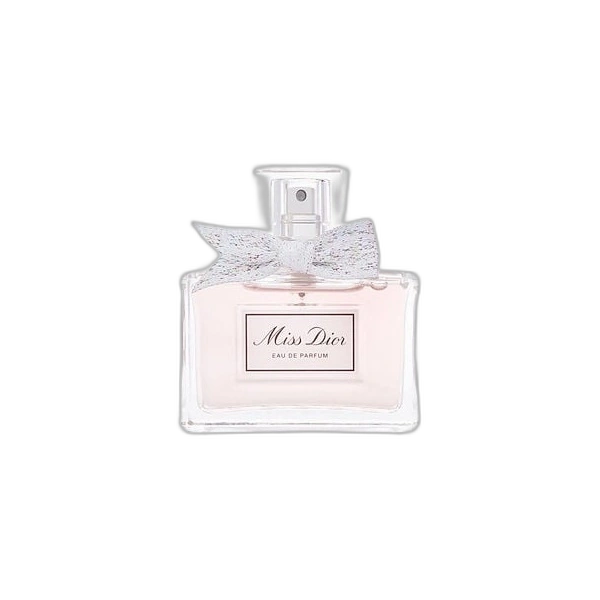
    A sharp green galbanum opening, with gardenia and bergamot, that surprises on first contact. The floral heart of jasmine, rose and narcissus then softens everything. At the base, patchouli, oakmoss and labdanum give the chypre its structure. This pyramid shows how a perfume can change mood, from stern to velvety.

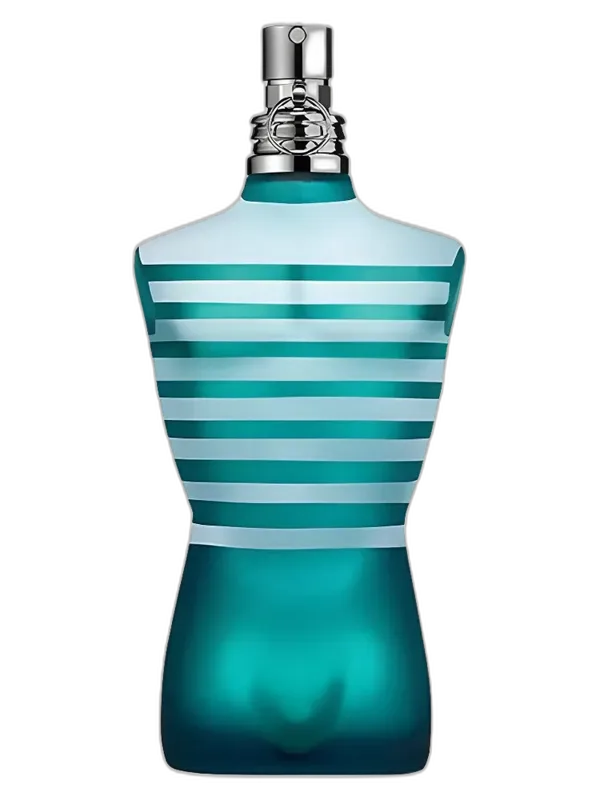
  5. 5 Le Mâle Jean Paul Gaultier

    Jean Paul Gaultier · 1995 · Oriental Fougère

    Le Mâle

    Lavender, mint and bergamot on top, which recall shaving foam. A heart of cinnamon, cumin and orange blossom warms things up. Then vanilla, tonka and amber rule the base for hours. Francis Kurkdjian built a scent that moves from barbershop to hug. You can follow the shift almost minute by minute.

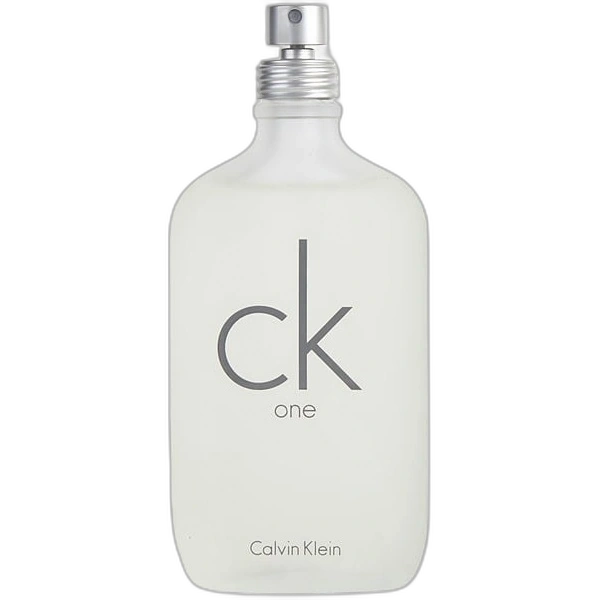
  6. 6 CK One Calvin Klein

    Calvin Klein · 1994 · Citrus Aromatic

    CK One

    To understand how fragile top notes are, CK One is ideal. Bergamot, pineapple and lemon dominate the first half hour. The heart of jasmine, rose and nutmeg is very faint. The musk, cedar and amber base is left on its own, light and short-lived. Almost everything happens at the start, the opposite of Le Male.

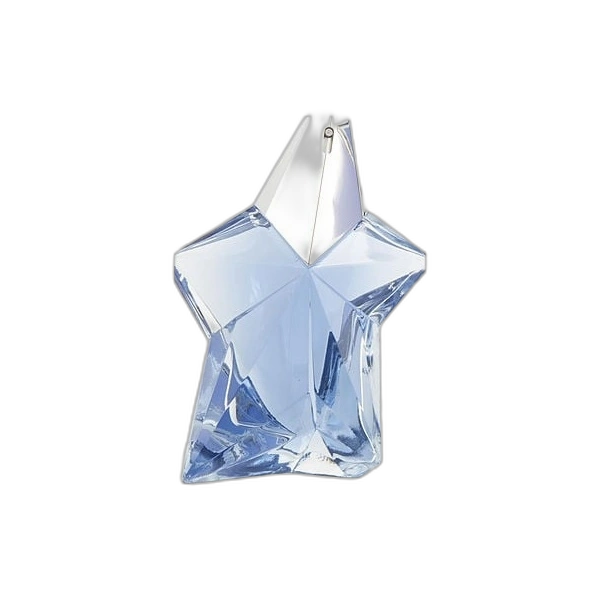
  7. 7 Angel Mugler

    Mugler · 1992 · Gourmand Oriental

    Angel

    Our counter-example. On paper, candy floss and coconut sit on top. Honey, chocolate and caramel fill the heart before a base of patchouli and vanilla. On skin, the sugary accord and the patchouli are there from the start and stay until evening. The pyramid exists, but it reads far less clearly than Shalimar’s. At intensity 5, one or two sprays are plenty.

Frequently asked questions

What are top notes in a perfume?

Top notes are what you smell first, right after spraying. They come from the most volatile materials, often citrus, herbs or aldehydes. They make the first impression but vanish quickly. In Eau Sauvage, the top notes are lemon, bergamot and rosemary.

How long do top, heart and base notes last?

As a rough guide: a few minutes to half an hour for the top, one to four hours for the heart, several hours for the base. These times vary a lot with concentration, skin and heat. A cologne moves faster than an extrait.

Why does my perfume smell different after an hour?

Because the top notes have evaporated and the heart has taken over. That is the fragrance pyramid doing its job. Jean Paul Gaultier’s Le Male shows it well: lavender and mint first, then cinnamon and orange blossom, then vanilla and tonka.

Does every perfume have a fragrance pyramid?

Every perfume contains materials that evaporate at different speeds, but some barely change on skin. These are called linear. They are usually built around a few very diffusive base notes. For them, the listed pyramid describes a change that is more theoretical than real.