Our take
What does Angel smell like?
When Angel appeared in 1992, nothing smelled like it. Olivier Cresp brought the funfair and the damp forest together, and the clash effectively founded the gourmand family as we know it. The opening is a sugary cloud of cotton candy and coconut, shot through with lightly spicy cassia. Honey, chocolate and caramel form a dense, almost sticky patisserie at the heart. The real subject, though, is the patchouli in the base: earthy, camphorous, slightly musty, it drags the confection toward something dark and adult, wrapped up in vanilla and tonka bean. That constant tension between childish sweetness and wet earth explains both the devotion and the rejection it inspires.
When to wear it
Keep it for cold weather and evenings, one or two sprays at most. It speaks to people who like sweet scents with real character.
The story of Angel
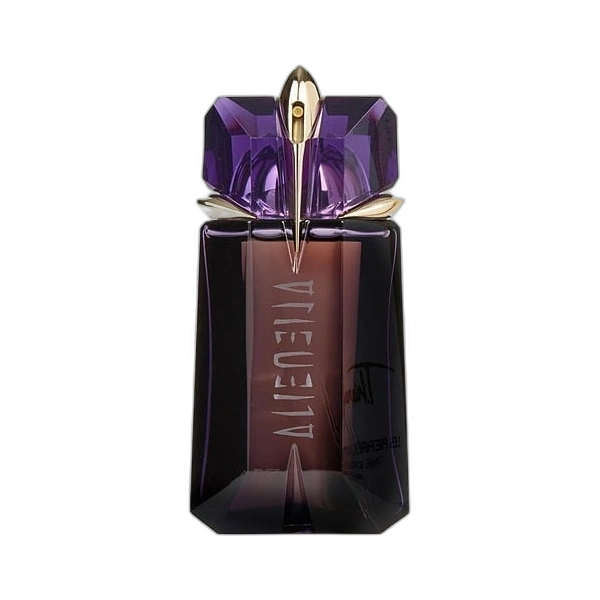
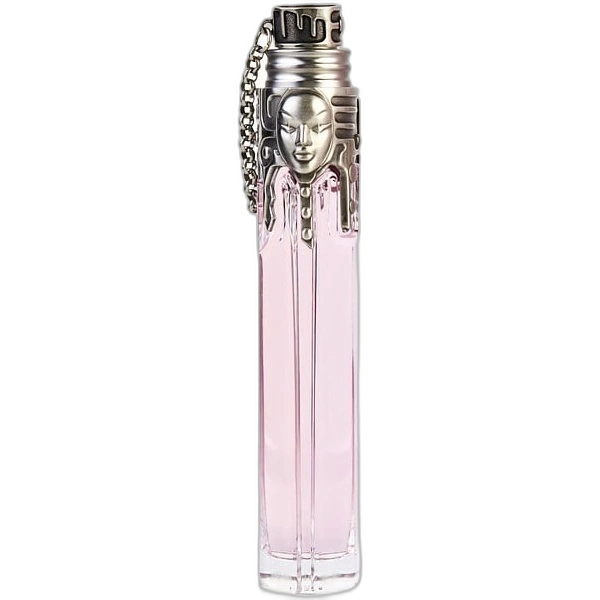
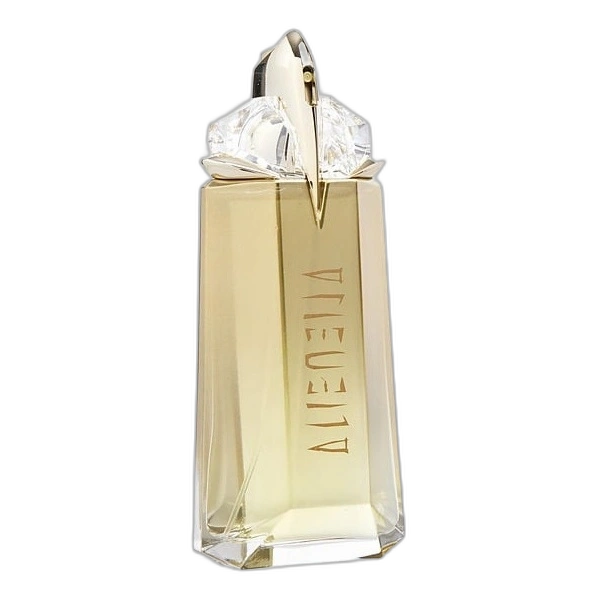
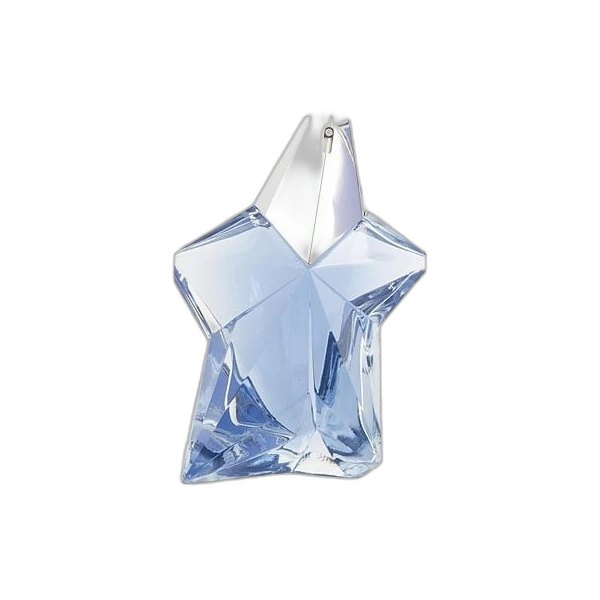
Angel was Thierry Mugler’s first fragrance, and the designer had no interest in adding yet another floral to the counters. In the early 1990s the big houses were chasing transparency and marine notes. Mugler was sending sci-fi silhouettes down the runway and asked for a scent built on childhood memories: fairgrounds, candy apples, chocolate. Olivier Cresp pushed ethyl maltol, the molecule that smells of cooked sugar, to a dose nobody had tried before and set it against a heavy load of patchouli. The result baffled people. Mugler launched it anyway. The blue star-shaped bottle was refillable from day one, with refill fountains in stores decades before refills became a selling point. Sales started slowly and word of mouth did the rest. Angel went on to spawn a whole lineage: A*Men for men in 1996 and Alien in 2005. Angel Muse and Angel Nova came later, each playing with the gourmand idea without recapturing the original shock. Nearly every patchouli gourmand on shelves today owes it something.
Our detailed review
The first ten minutes are the hardest part. You get a wave of burnt sugar and coconut straight from a candy floss stall, with cassia prickling at the nose. Around the one-hour mark honey and chocolate take over and the skin smells of warm chocolate spread. Then the patchouli rises. It is earthy and slightly camphorous, and it slowly dries the sugar out. After four hours Angel turns into a dark vanilla patchouli that is far more elegant than its opening. That is the stage we like best. The flaw is well known: in the first hours it fills a room, a lift or a car. Overapplied, it tires everyone nearby long before it tires the wearer. It suits people who like a scent with a strong point of view, patchouli lovers, and men who want sugar, since nothing stops them. Anyone after a clean skin scent or a light floral will hate it. Our take: a great fragrance, provided you treat it as an evening scent and never go past two sprays.
Angel vs its rivals
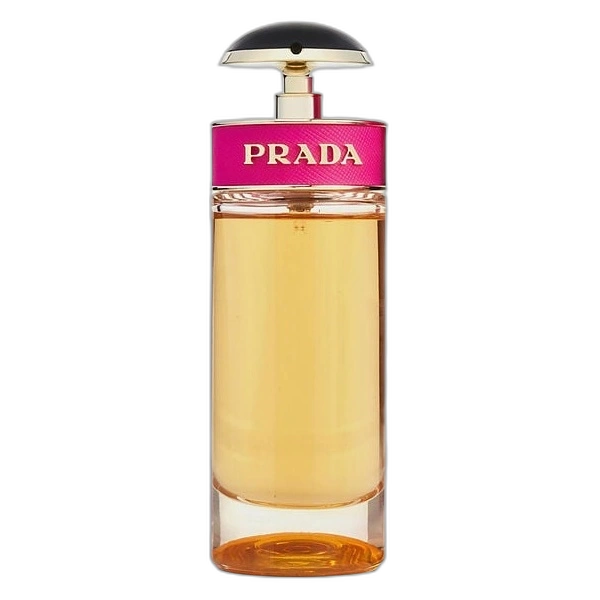
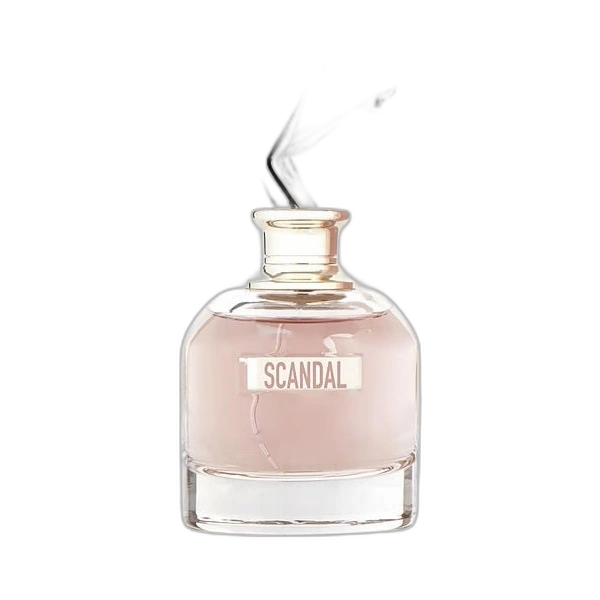
Its 1996 sibling A*Men sits on exactly the same base of patchouli, vanilla and tonka, with caramel and honey in the heart. The split happens up top. A*Men swaps candy floss for lavender and mint and chocolate for roasted coffee, which makes it drier and tarrier. Prada Candy goes the other way with caramel, benzoin and powdery musk and no patchouli at all. It is softer and far less divisive. Jean Paul Gaultier’s Scandal keeps the honey, caramel and patchouli trio but adds gardenia and blood orange, so it reads more floral and more current. Pick Angel for the sugar-versus-earth contrast at its most extreme. Candy is the clean caramel that works in an office. Scandal gives you evening honey without the camphor. And if you love Angel’s DNA but find it too much like a sweet shop, A*Men is the way in.
Longevity, projection and use
Rated 5 out of 5 for intensity and sold as an eau de parfum, Angel is one of the most tenacious scents we know. Expect eight to twelve hours on skin, often more, and a wool scarf that still smells of it the next day. Projection stays wide for the first three hours. One spray is enough indoors. Two is the ceiling for a night out. Aim for the base of the neck or the inner wrists, and keep it off clothes you plan to wear again soon. It belongs to autumn and winter, to evenings and dinners. Above 25 °C it turns pasty and heavy. At the office a single spray under your shirt is just about workable.
It belongs to the Oriental / Amber, Gourmand family. Angel is one of 6 creations by Mugler in our encyclopedia.