What does Honey smell like?
Honey smells of golden sugar, beeswax and pollen over a faintly floral background. At higher doses it reveals a darker, animalic, almost urinous facet that gives the note flesh. Depending on the accord, it can suggest pale acacia honey or a more bitter chestnut honey. On skin it melts into woods and flowers and leaves a warm, sticky trace that feels intimate rather than sugary.
Origin and production
Honey itself cannot be distilled. The main natural material associated with it is beeswax absolute, solvent-extracted from honeycomb wax, with a honeyed, waxy and slightly tobacco-like scent. Most honey notes, however, rely on synthetic molecules such as phenylacetic acid and its esters, which reproduce honey's sweetness and animalic side. These materials have long been used to enrich florals and ambers.
How perfumers use it
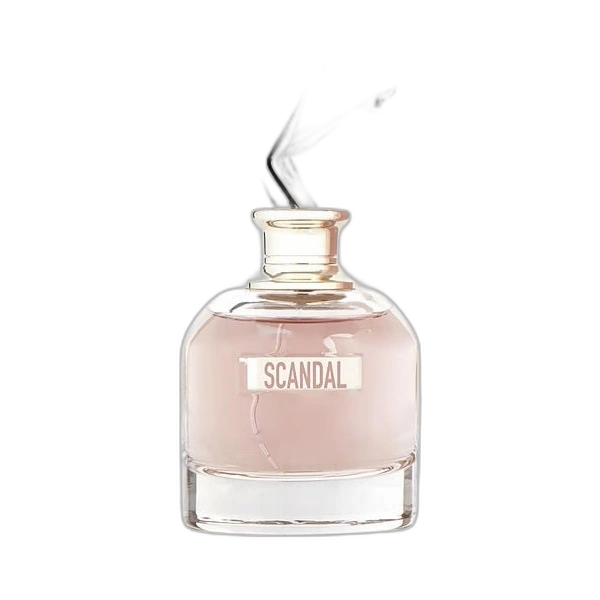
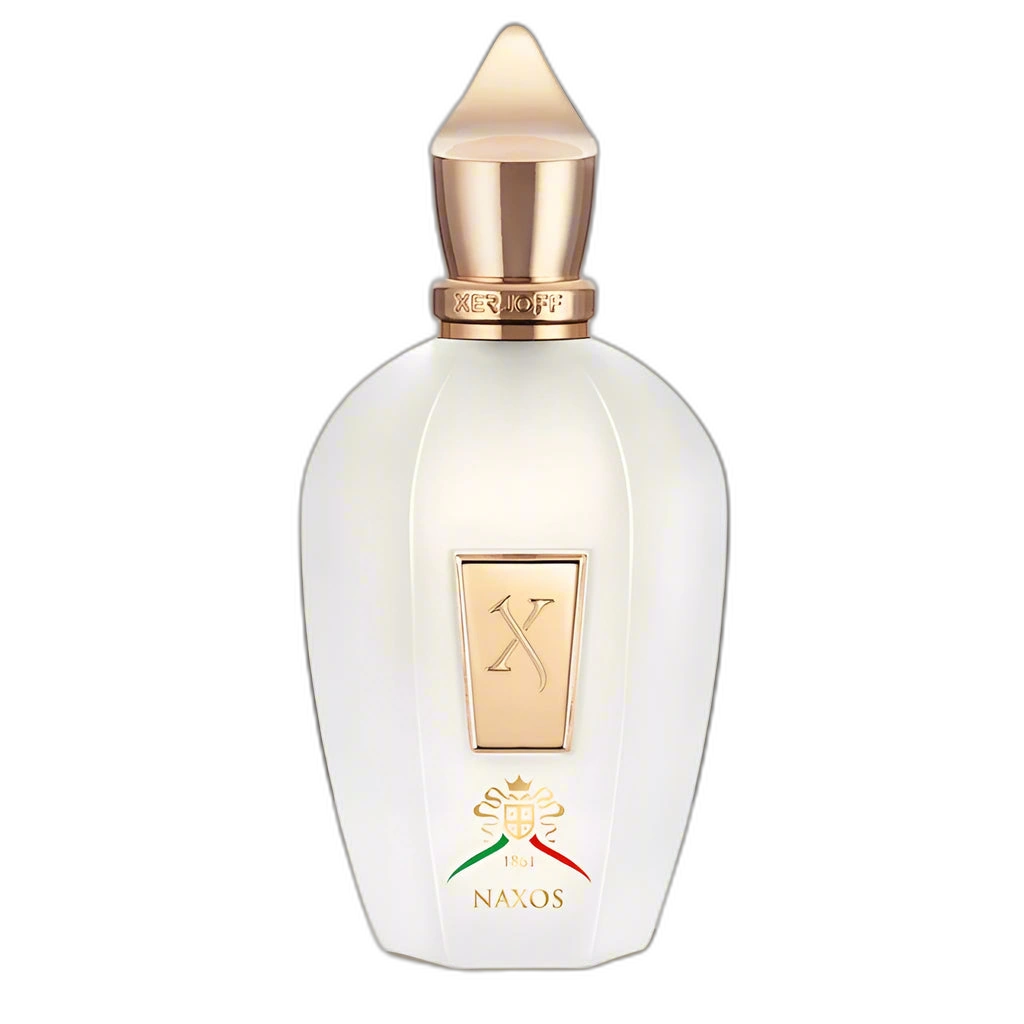
Honey is used mostly in the heart or base to warm white flowers, rose, tobacco and ambery notes. It brings roundness, sensuality and a certain opulence. Mugler built it into the heart of A*Men, Jean Paul Gaultier made it the signature of Scandal, and Xerjoff pairs it with tobacco and lavender in Naxos. The effect is a more grown-up gourmand, less pastry-like than vanilla.
How to wear it
Best in autumn and winter, honey appeals to people who like warm, sensual and slightly opulent fragrances.