What does Caramel smell like?
It all depends on how dark the imagined cooking goes. Sometimes blond and milky, close to candy floss; sometimes amber and almost bitter, with a roasted-nut facet. Perfumed caramel is round, sticky and warm. On skin its sugary side softens after the opening and melts into vanilla, tonka bean or musk, leaving a trail of warm patisserie that lingers for hours.
Origin and production
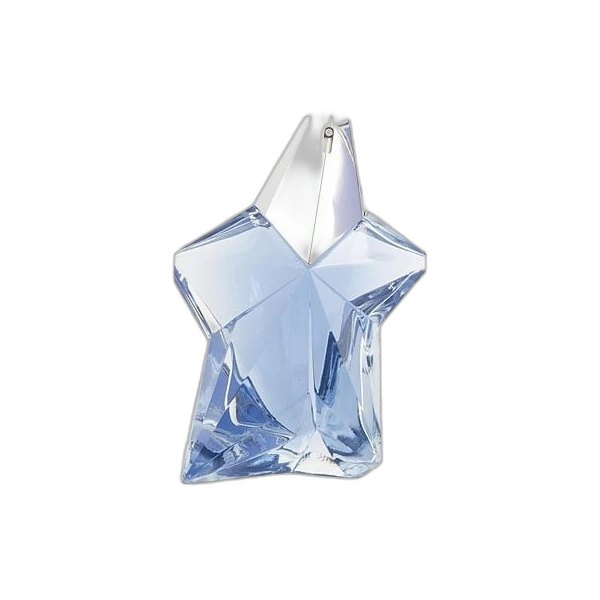
No natural essence gives a usable caramel smell, so perfumers assemble molecules such as ethyl maltol, which smells of spun sugar, maltol, furaneol with its cooked-strawberry and brown-sugar tones, plus milky and buttery notes. The modern history of caramel in perfume starts with Mugler's Angel in 1992, which dared a massive dose of ethyl maltol and opened the door to the entire gourmand family.
How perfumers use it
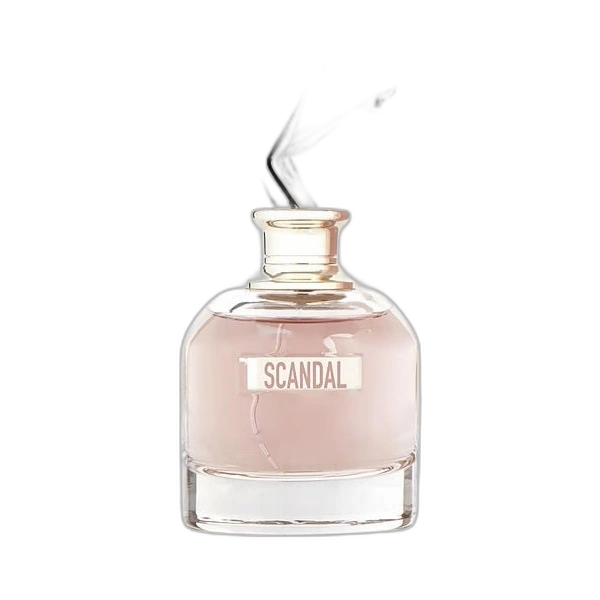
Usually placed in the heart or base, caramel pairs with vanilla, praline, coffee, patchouli and rum. Dark, earthy patchouli is its favourite counterpoint: that tension is the signature of Mugler's Angel and its masculine sibling A*Men. Jean Paul Gaultier's Scandal pairs it with honey for a more golden effect. Used with restraint it warms; overdosed it saturates. The trick is balance: a caramel note needs something bitter, woody or smoky beside it to stay adult.
How to wear it
Caramel suits cold weather, autumn and winter. It appeals to fans of gourmand, comforting, high-presence fragrances.