What does Ambergris smell like?
Forget the resinous, vanillic warmth usually sold as amber: ambergris smells of skin and shoreline. There is mineral salt, a quiet animal undertone, hints of blond tobacco, damp moss and sometimes wet earth. It is diffusive rather than loud, more halo than statement. On skin it takes its time, settling in over the hours, widening the base of a fragrance and stretching its longevity with a luminous, almost radiant warmth.
Origin and production
Sperm whales produce ambergris to coat indigestible squid beaks. Expelled into the ocean, the mass oxidises under sun and salt water for years, losing its faecal smell and gaining its prized notes. It is found on the coasts of New Zealand, Australia, South Africa and Indonesia, then macerated as a tincture in alcohol. Because it is scarce and costly, twentieth-century perfumery largely replaced it with Ambrox, made by semi-synthesis from sclareol, a compound of clary sage.
How perfumers use it
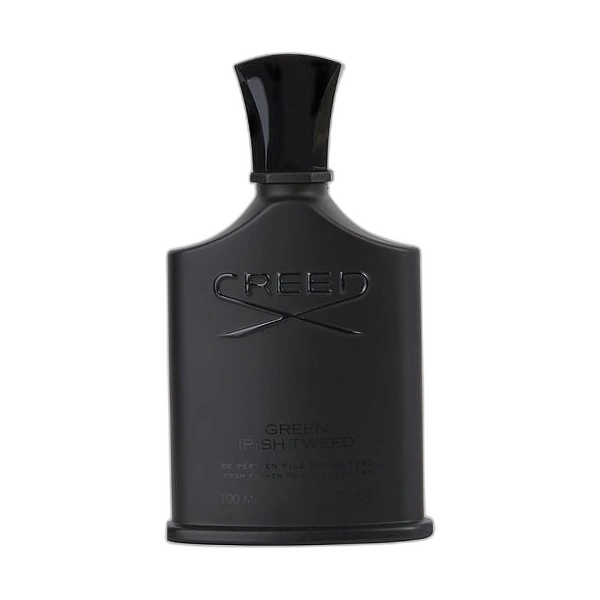
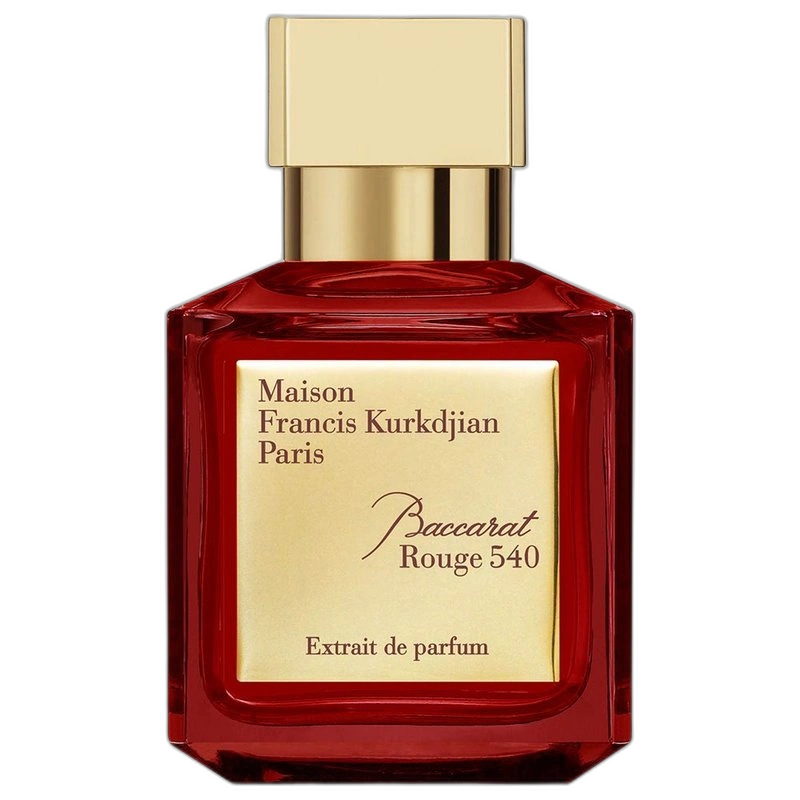
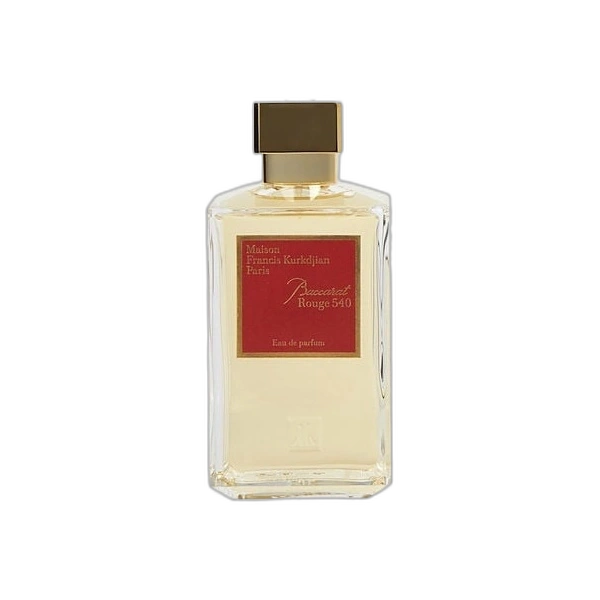
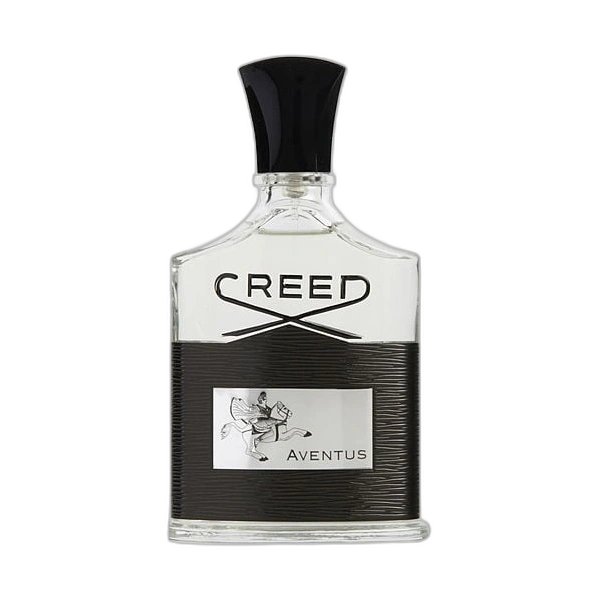
As a base note, ambergris works as fixative and amplifier: it rounds out woods, makes florals radiate and lends marine compositions a saline edge. Perfumers pair it with cedar, vetiver, orris or citrus for a mineral freshness. Creed uses it at the base of both Aventus and Green Irish Tweed to extend their trail, while Maison Francis Kurkdjian's Baccarat Rouge 540 folds it into its airy, sugared signature.
How to wear it
Wearable year-round, and especially good in summer in its salty versions. It suits lovers of skin scents that stay close up yet fill a room.