
What does Green Notes smell like?
A green note can be tender like a mown lawn, crisp like a snapped hyacinth stem, or sharper, resinous and almost prickly. Think sap, freshly shelled peas, wet violet leaf or cucumber peel. These facets tend to be bright and fleeting in the opening, though some materials, such as galbanum, last longer and run a bitter green thread through the heart of the fragrance. The effect is always one of vitality, of something alive and just picked.
Origin and production
This is not a single material but a family. On the synthetic side, cis-3-hexenol, known as leaf alcohol, reproduces cut grass, while triplal and styrallyl acetate add green, fruity accents. Among naturals, galbanum, a gum resin from an Iranian umbellifer, violet leaf absolute and fig leaf absolute are the most widely used. Green fragrances came into their own in the mid-twentieth century with strongly vegetal chypres and florals that made bitterness a signature.
How perfumers use it
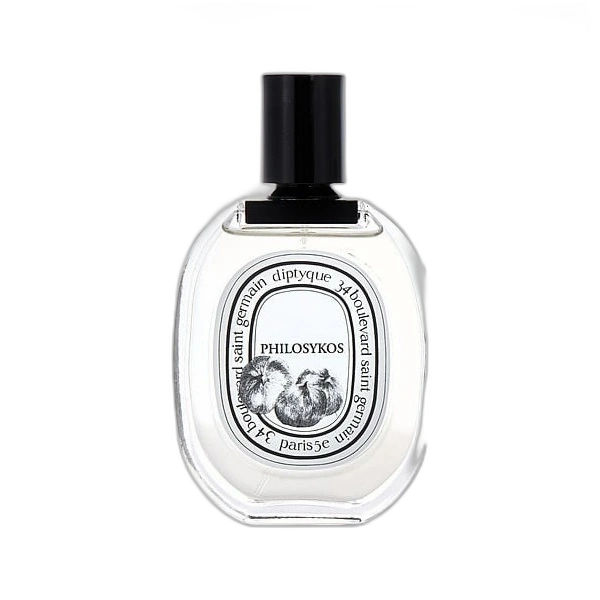
Green notes mostly sit in the top, where they wake up the composition, but they can also structure a floral heart. They pair with lily of the valley, hyacinth, rose, fig and citrus. Diptyque's Philosykos combines them with fig leaf and fig wood; Estée Lauder's Pleasures uses them for an airy, dewy floral, and Calvin Klein's Euphoria uses them to freshen a fruity, ambery base. A small dose is usually enough to change the whole perception of a formula.
How to wear it
Green notes are best in spring and summer, for daytime. They suit people who like natural, fresh, airy fragrances.