What does Elemi smell like?
At first sniff, elemi smells like lemon zest rubbed on a warm stone. A fennel and dill note follows, then a fresh pepper. Underneath you catch the resin: a clean church smell, incense that nobody has lit yet. It is paler than frankincense and far less sticky than benzoin. On skin the freshness lasts about an hour. After that the resinous floor clings quietly to the woods.
Origin and production
Perfumery elemi comes mostly from Canarium luzonicum, a tall tree native to the Philippines. Tappers cut the bark and a whitish resin flows out, then hardens in the air. The resin is steam-distilled into a pale essential oil. A thicker resinoid is made too. The tree belongs to the Burseraceae, the same botanical family as frankincense and myrrh. Harvesting is still done by hand by local collectors.
How perfumers use it
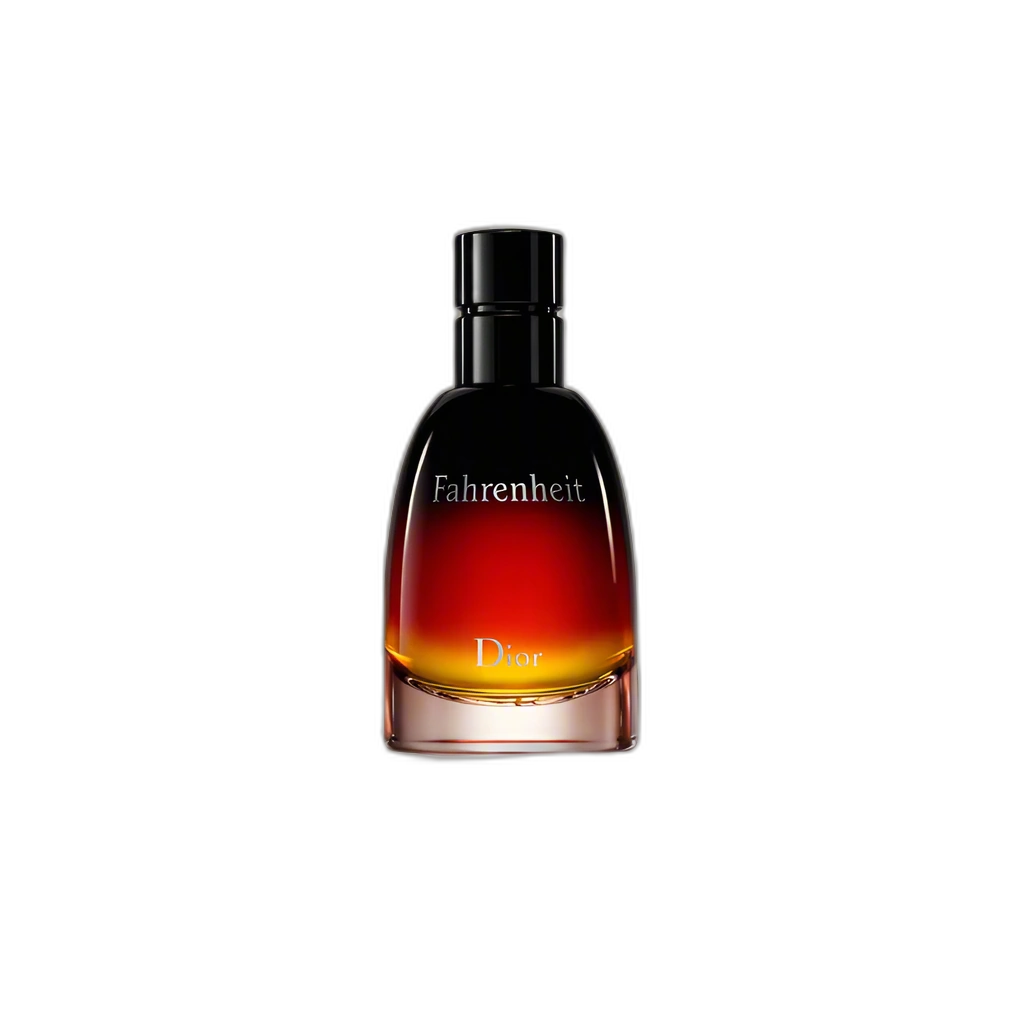
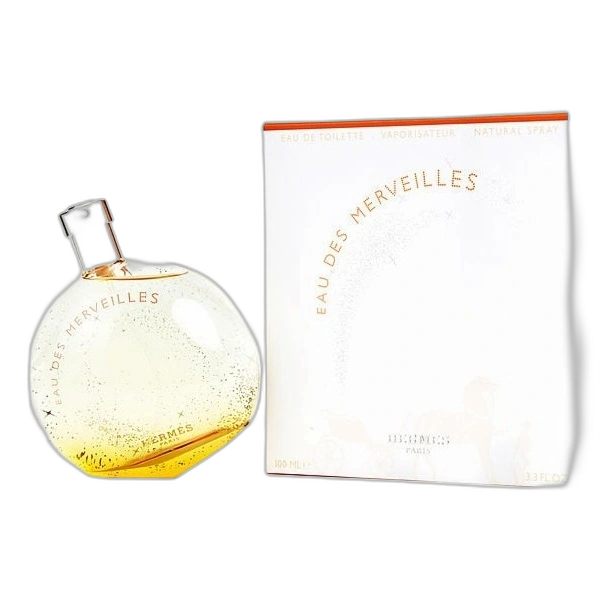
Elemi acts as a light source in dark accords. It links citrus tops to woods and incense. Hermès put it at the top of Eau des Merveilles (2004), where it leads into amber and woods beneath the orange. Dior places it in the heart of Fahrenheit Le Parfum (2014) with leather and violet. Giorgio Armani uses it up top in Stronger With You Absolutely (2021) next to rum. In Yves Saint Laurent Babycat (2022), it opens a vanilla leather with the peppers.
How to wear it
Elemi suits autumn and winter, but also spring in a clear scent like Eau des Merveilles. Spray on skin rather than clothes. Its lemony lift needs body heat to come through.