Our take
What does Code smell like?
Launched in 2004, Armani Code set a low-key style of masculine seduction that defined much of the 2000s. The opening is fresh: bergamot and lemon, with a touch of apple for roundness. Then the heart reveals the scent’s originality: olive blossom, white and lightly honeyed, alongside star anise, whose liquorice sweetness recalls pastry, and smoky guaiac wood. The base pairs creamy, almond-like tonka with a light leather and a tobacco note. The result is soft, powdery, a little mysterious and very comfortable on skin. Instead of bright freshness, Code offers an intimate warmth best discovered up close.
When to wear it
For evenings or a date, especially in cool weather; it suits men who like soft, elegant scents.
The story of Code
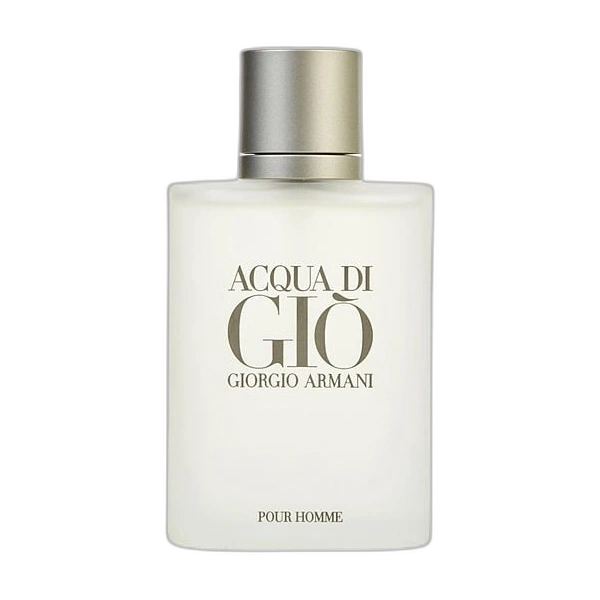
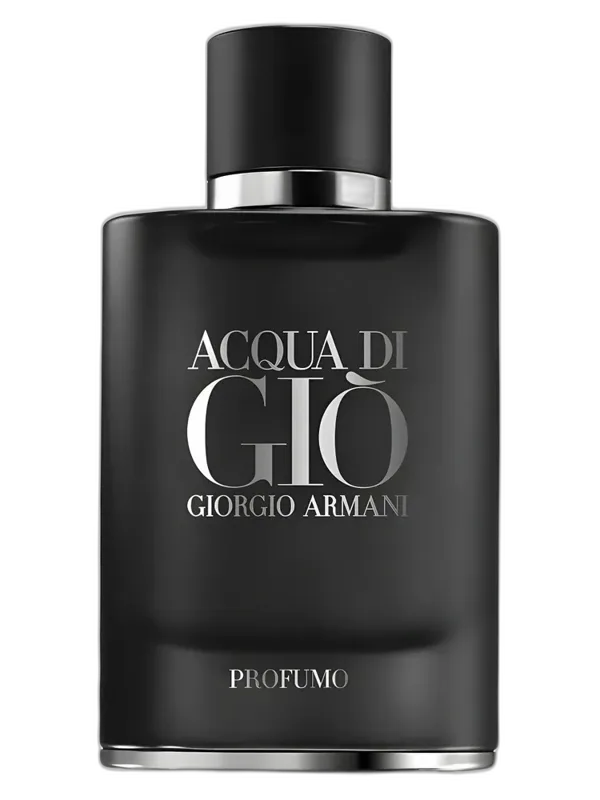
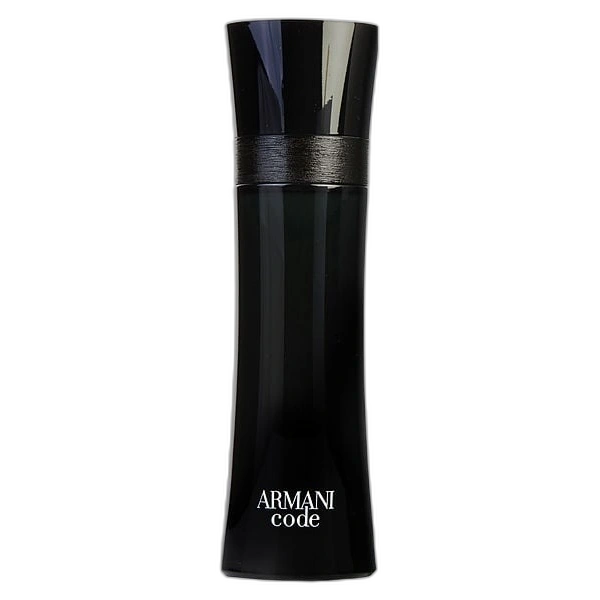
By 2004 Armani's men's business still leaned on Acqua di Giò, the 1996 aquatic that had turned the Armani man into a sun-and-sea type. Code went the other way. It was built for evenings and for skin rather than open air. Antoine Maisondieu centred it on olive blossom, an unusual material in men's perfume at the time, and wrapped it in star anise and tonka. In hindsight that sweetness looks early: the sugary woods that crowded men's counters in the 2010s owe it something. The bottle is a flat black slab with rounded edges, closer to a pocket object than a decanter. A women's Code followed in 2006 under the same name. The line then grew denser flankers, the best known being Code Profumo in 2016, which traded some of the original's softness for more amber and leather. Twenty years on, Code sits beside Acqua di Giò as one of the two anchors of Armani's men's range. It was also an early landmark for Maisondieu, who would later co-sign Montblanc Explorer.
Our detailed review
The first ten minutes are forgettable: soapy lemon and a faint apple. Then star anise lands, bringing the honeyed olive blossom that gives Code its texture, somewhere between a bakery and a freshly laundered collar. By hour two the tonka has taken over. Skin smells of warm almond, the tobacco stays in the background and the leather is hinted rather than stated. This is Code at its best: soft without getting sticky, masculine without pushing. Our main complaint is staying power. On recent bottles we tested, it hugs the skin from the third hour and you have to lean in to find it. It suits men who want to smell good at close range, from the office to dinner, with zero risk. Anyone after character will find it polished to the point of vanishing. We'd also point women who like anise-tinged ambers towards it. Nothing in here is gendered by nature.
Code vs its rivals
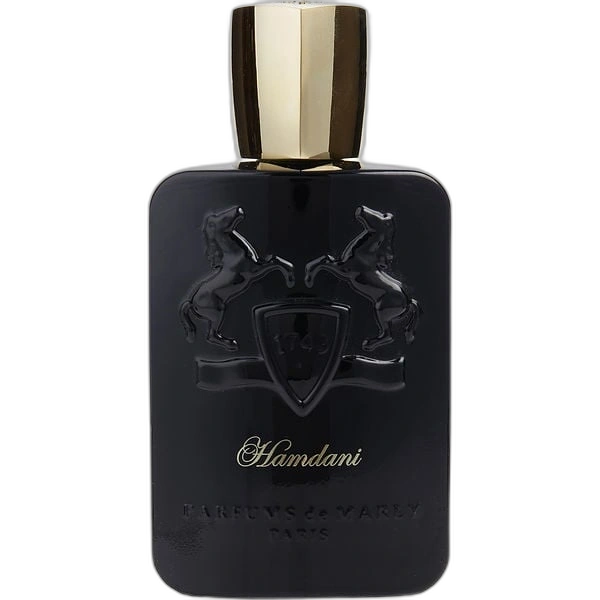
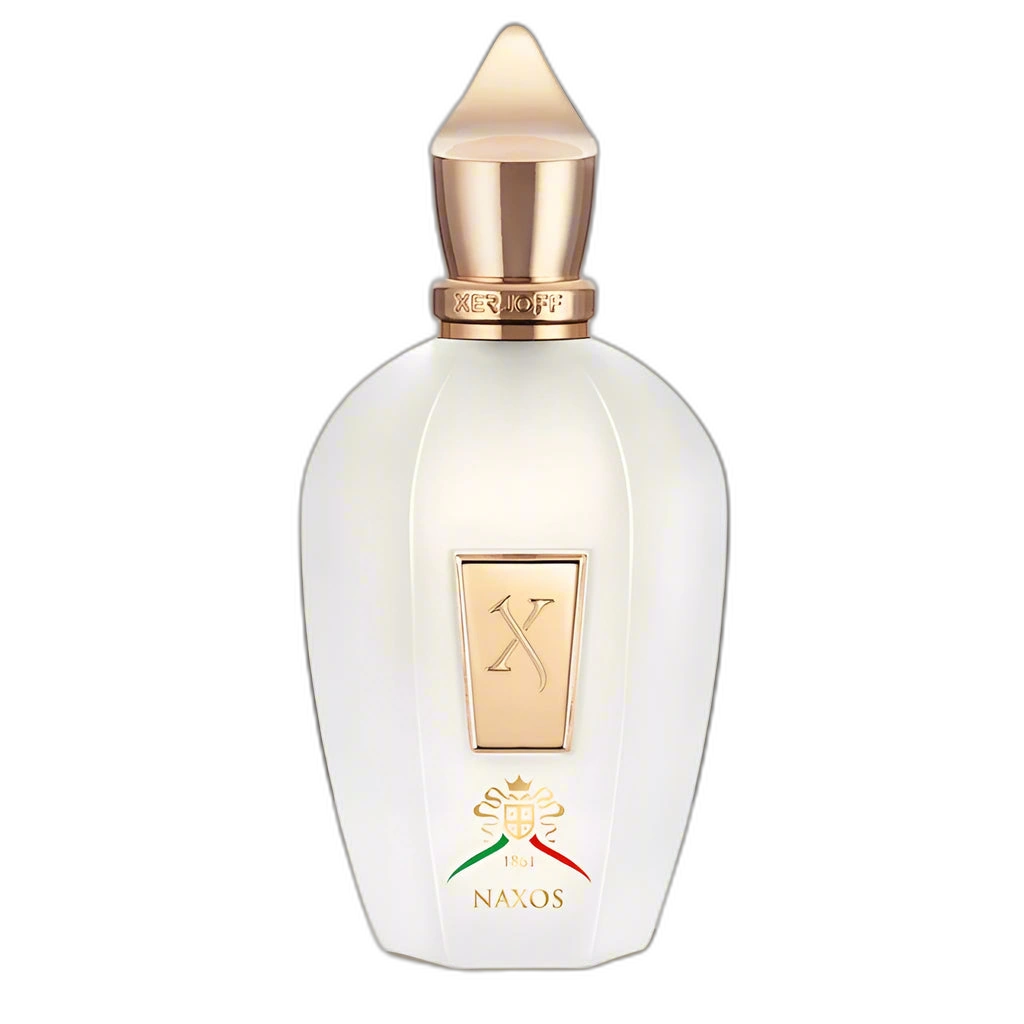
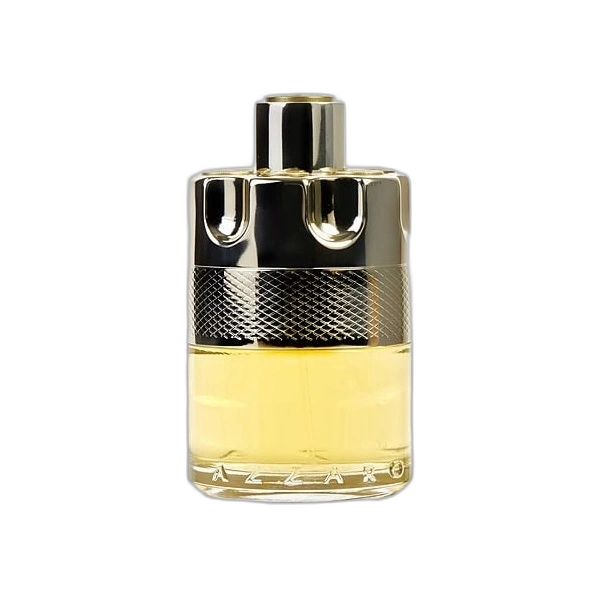
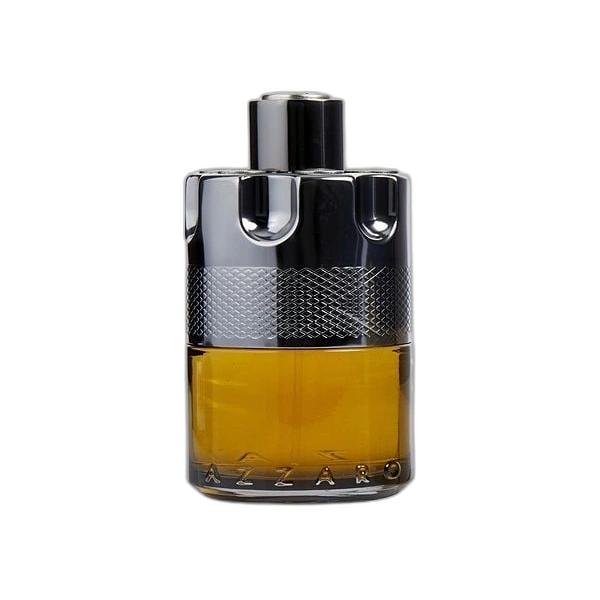
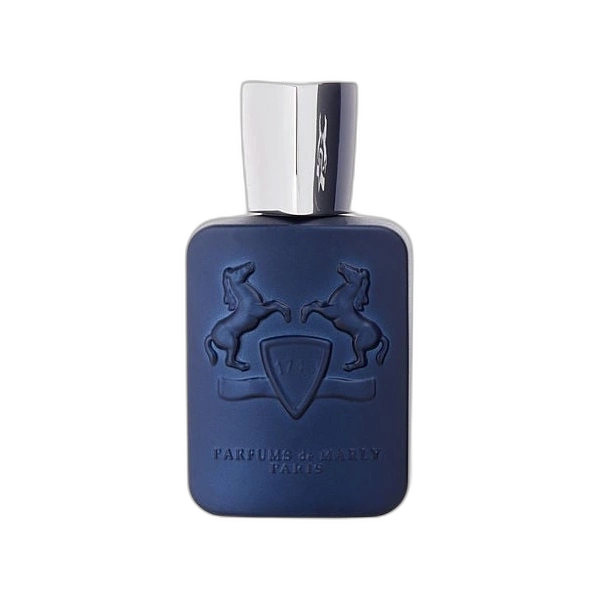
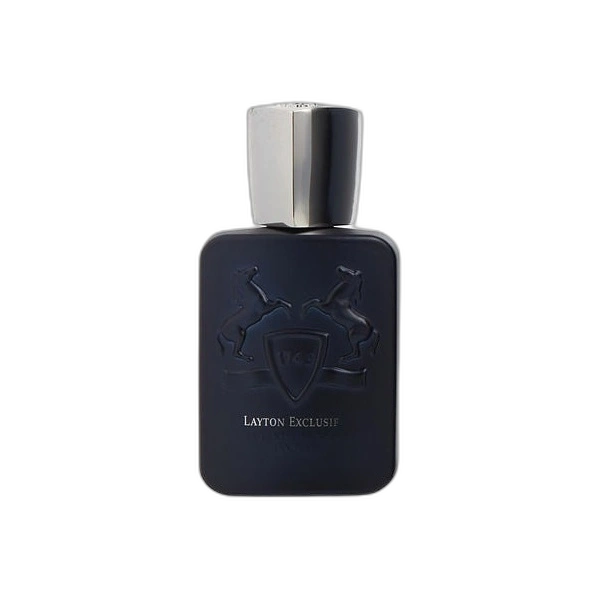
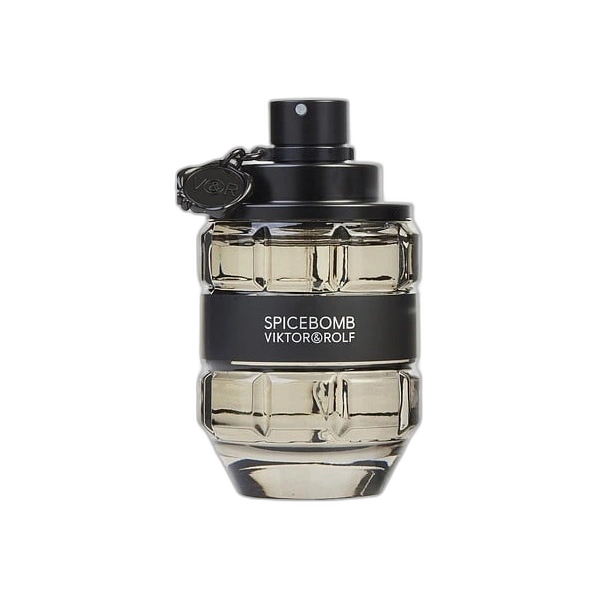
Next to Azzaro Wanted, Code feels almost hushed. They share apple, lemon and tonka, but Wanted drives ginger and cardamom into a louder spicy wood made for clubs. Code keeps a floral thread through the olive blossom and wears better after a few hours. Xerjoff Naxos plays the same tobacco-and-tonka hand with far more honey and lavender. It is richer and boozier. If you like Code's softness but want more of it, Naxos is the step up. Parfums de Marly Hamdani only overlaps on guaiac, leather and tobacco. Everything else is resin: incense, myrrh, styrax. It is aimed at fans of smoky orientals, a different crowd altogether. Our pick: Code for a discreet daily scent, Wanted for nights out, Naxos for winter indulgence.
Longevity, projection and use
As a mid-strength eau de toilette, Code usually lasts five to seven hours on skin and longer on wool. Projection is decent for the first hour, then it settles to about arm's length. Three or four sprays do the job: one each side of the neck and one on the chest, under the shirt, so body heat lifts it. It works best from autumn through late winter, for evenings or the office. Skip it in a heatwave, when the anise and tonka turn pasty. If longevity matters most to you, move to one of the more concentrated Code versions.
It belongs to the Oriental / Amber, Woody family. Code is one of 9 creations by Giorgio Armani in our encyclopedia.