Perfumer

Jacques Polge perfumes: Chanel's nose from 1978 to 2015

Jacques Polge was Chanel's in-house perfumer from 1978 to 2015. Coco Mademoiselle tops our ranking, its clean patchouli under bright citrus still a lesson in construction. Coco, his baroque oriental from 1984, takes second place. Bleu de Chanel completes the podium on the masculine side. The eight creations in our catalogue share the same obsession with polish.

8perfumes reviewed
Coco Mademoiselle ChanelCoco ChanelBleu de Chanel Chanel

Career: thirty-seven years at Chanel

Jacques Polge joined Chanel in 1978, succeeding Henri Robert. That made him the third in-house perfumer in the brand's history, after Ernest Beaux and Henri Robert. He stayed until 2015, when his son Olivier took over. His first major feminine for the house, Coco, came out in 1984. Allure followed in 1996, then Coco Mademoiselle in 2001 and Chance in 2002, all speaking to a younger clientele. On the men's side, Allure Homme Sport in 2004 and Bleu de Chanel in 2010 extended that line. With Christopher Sheldrake he also built the Les Exclusifs collection, which Coromandel has belonged to since 2007. That long tenure explains the coherence of his page: a steady taste for clean structures with no needless rough edges. Few perfumers have held the pen for a single house for so long.

Style: clean patchouli and restraint

The clearest thread on this page is patchouli. Coco Mademoiselle, Chance and Coromandel put it at the centre, but always cleaned up and free of the damp-cellar feel of 1970s patchouli. Polge pairs it with citrus and vetiver for a chic sense of cleanliness. Vanilla also returns in the base of Allure, Coco Mademoiselle and Chance, always with a light hand. His masculines follow the same logic. Bleu de Chanel sets citrus and ginger on sandalwood and incense, while Allure Homme Sport plays orange and tonka. Nothing overflows, and no creation in the selection goes above 4 out of 5 for intensity. That is his strength and his limit. Allure and Bleu de Chanel can feel too safe to us, and Chance has been imitated so often that its sparkling patchouli now seems familiar. Only Coco, with its spices and amber, shows a more opulent Polge.
Our selection

8 perfumes, in order

  1. 1 Coco Mademoiselle Chanel

    Chanel · 2001 · Floral Oriental

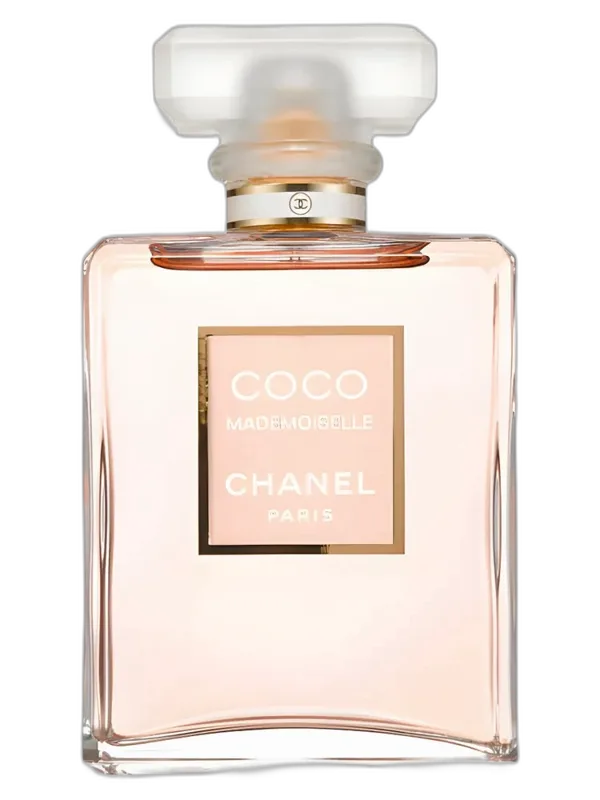
    Coco Mademoiselle

    First in our ranking. Citrus fizzes above rose and lychee, then clean patchouli and vetiver take over with a touch of vanilla. It is modern elegance without the stiffness, for the office or a date. It has become so common that it has lost some of its edge. Brighter than Allure, it remains his most accomplished construction.

  2. 2 Coco Chanel

    Chanel · 1984 · Oriental Spicy

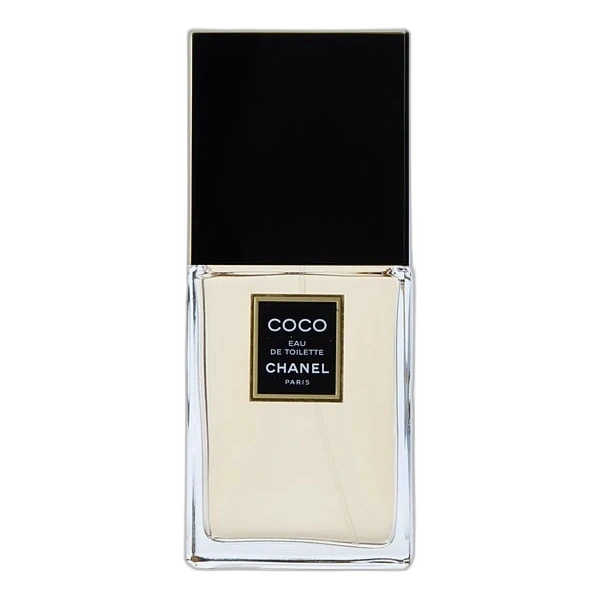
    Coco

    A baroque oriental inspired by the lacquer screens and brocades of Mademoiselle's apartment. Peach and coriander open onto a clove-spiked rose, before a base of sandalwood and amber. This is the most opulent Polge, for evenings and winter. Its richness needs a light hand. Far spicier than Coco Mademoiselle, it has almost nothing in common with it.

  3. 3 Bleu de Chanel Chanel

    Chanel · 2010 · Woody Aromatic

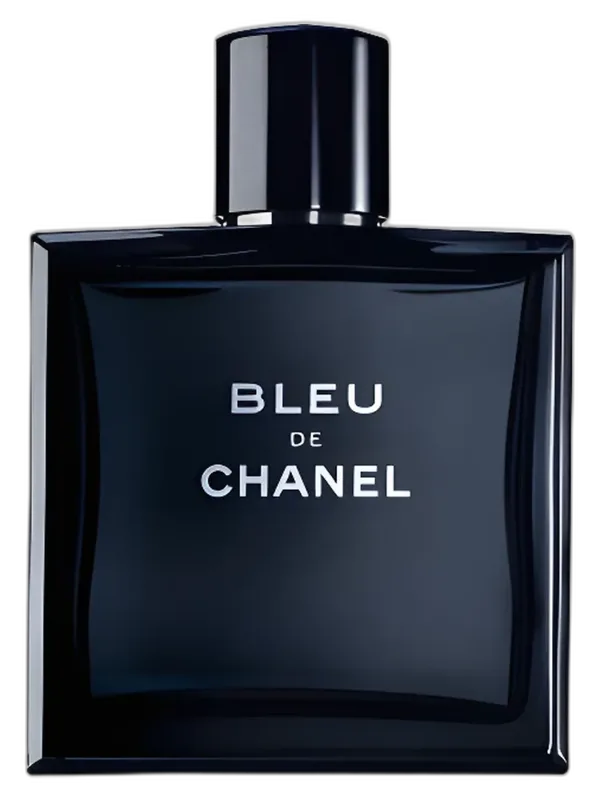
    Bleu de Chanel

    Sharp citrus and ginger up top, sandalwood and incense below: Bleu de Chanel has the neatness of a well-cut suit. It works at the office and in the evening, three seasons out of four. It suits men who want one scent for everything. Flawless, at the cost of some caution. Woodier than Allure Homme Sport, it is the most complete masculine on the page.

  4. 4 Coromandel Chanel

    Chanel · 2007 · Oriental

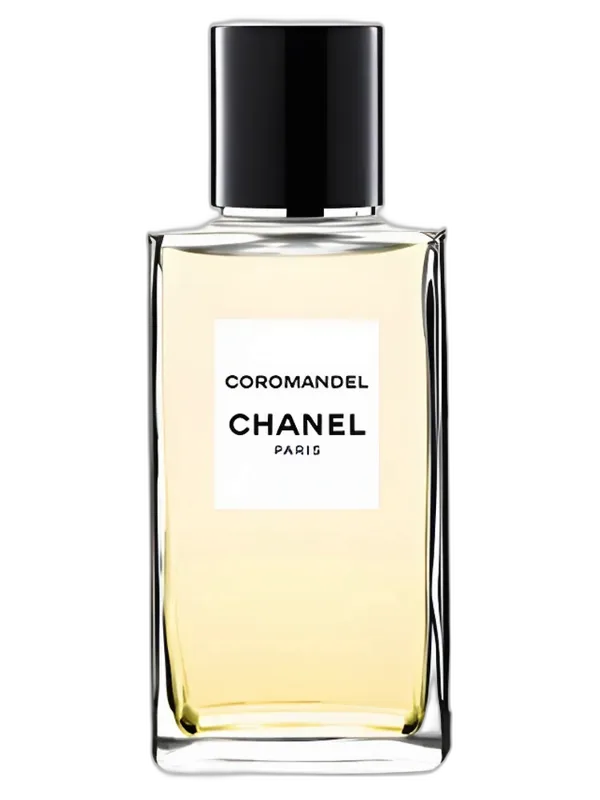
    Coromandel

    Co-written with Christopher Sheldrake for Les Exclusifs, Coromandel dusts patchouli with benzoin and incense. Bitter orange and neroli open, while iris and rose soften the heart. It works at the office or at night in autumn and winter, for anyone. Perhaps too powdery if you expect a dark patchouli. More mysterious than Chance, it still shares its main material.

  5. 5 Allure Chanel

    Chanel · 1996 · Floral Oriental

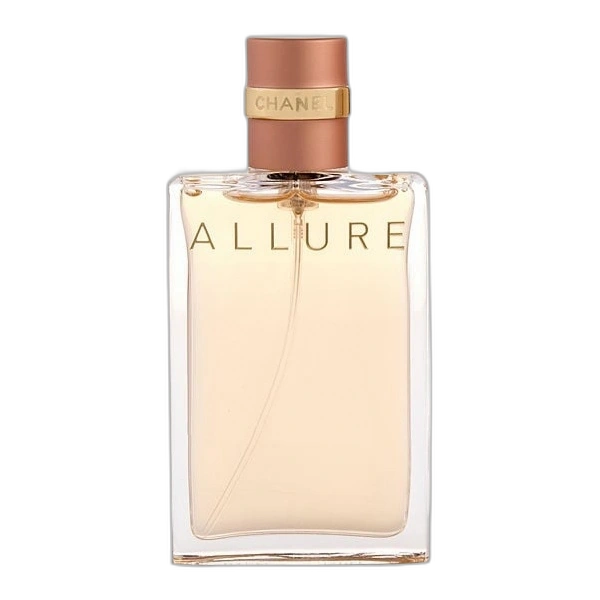
    Allure

    Velvety peach and blond flowers over woody vanilla: Allure is an amber floral with controlled softness. Rose, jasmine and magnolia fill the heart, vetiver and sandalwood the base. It suits the office and in-between seasons. Its restraint can feel a little too agreeable. Rounder than Coco Mademoiselle, it is also less modern.

  6. 6 Chance Chanel

    Chanel · 2002 · Floral

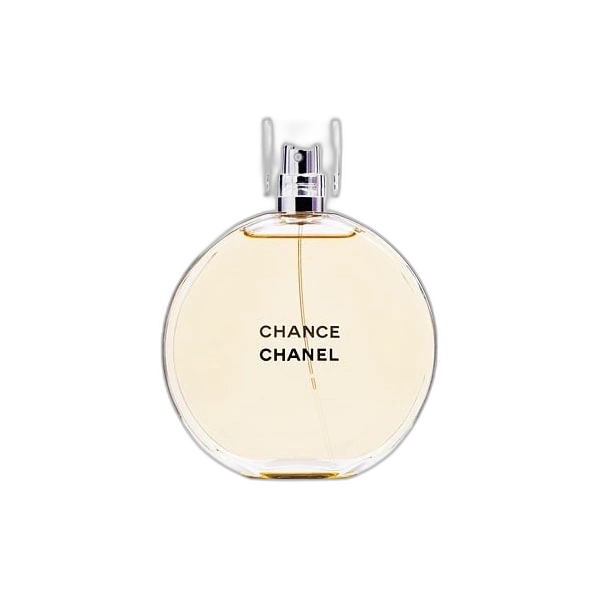
    Chance

    Pink pepper, pineapple and lemon over jasmine, hyacinth and iris: Chance sparkles like a chypre that refuses to take itself seriously. Clean patchouli and vetiver anchor the base. It is a daytime scent for spring and summer. Its fizzy patchouli has been widely copied since. Lighter than Coco Mademoiselle, it is the playful version.

  7. 7 Allure Homme Sport Chanel

    Chanel · 2004 · Woody Fresh Spicy

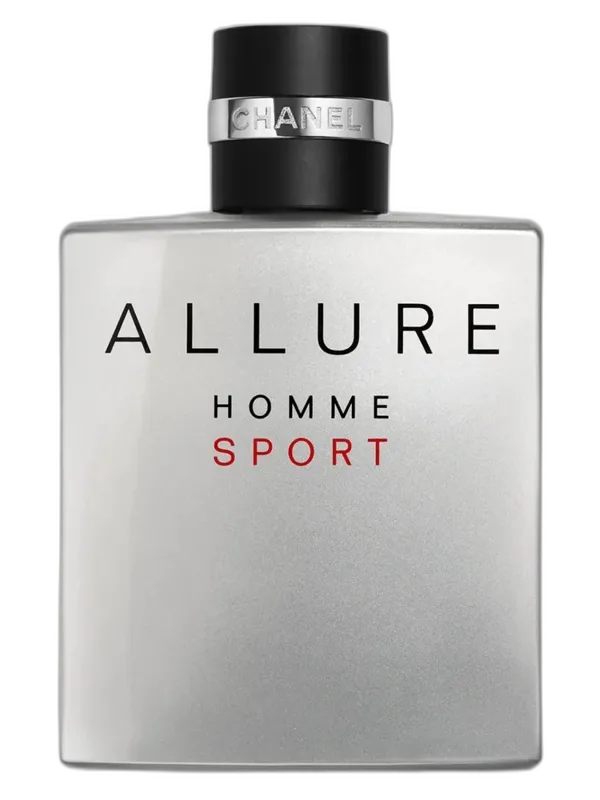
    Allure Homme Sport

    Sparkling orange, salty aldehydes and tonka: Chanel's take on sporty freshness. Pepper and neroli in the heart, then vetiver and musk at the base keep it all very clean. It works by day in spring and summer. Projection stays polite. Lighter than Bleu de Chanel, it handles heat better.

  8. 8 Chance Eau Tendre Chanel

    Chanel · 2010 · Floral Fruity

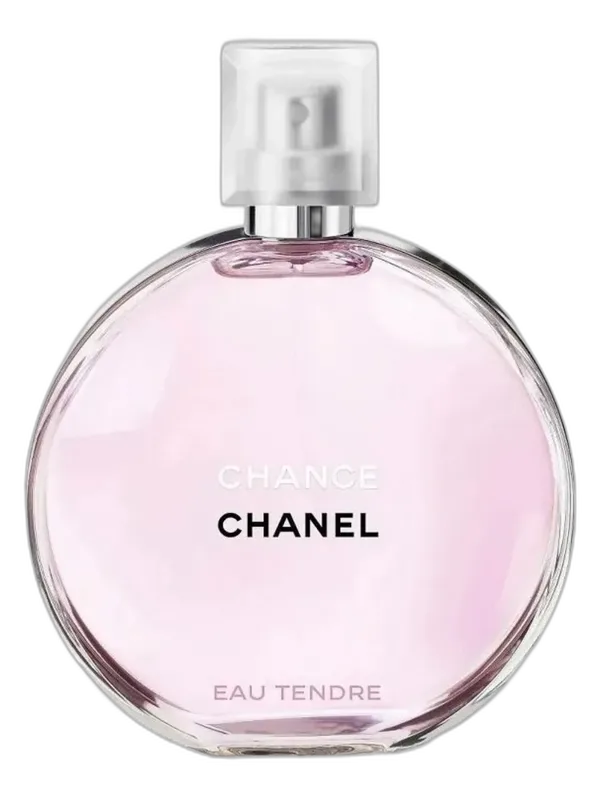
    Chance Eau Tendre

    Quince and grapefruit on iris and hyacinth: Chance Eau Tendre is Chance in pastel. The amber, musk and cedar base stays very light, rated 2 out of 5. It suits spring days and the office. Longevity and trail are modest. Softer than Chance, it trades sparkle for delicacy.

Frequently asked questions

Who is Jacques Polge?

Chanel's in-house perfumer from 1978 to 2015, he succeeded Henri Robert and was followed by his son Olivier Polge. His work includes Coco Mademoiselle, Chance and Bleu de Chanel. He also developed the Les Exclusifs collection with Christopher Sheldrake.

Who created Coco Mademoiselle?

Coco Mademoiselle was created by Jacques Polge and released in 2001. It sets sparkling citrus against rose, lychee and a clean patchouli softened with vanilla. The formula has been imitated heavily, which is why it can smell a little familiar today.

Did Jacques Polge create Chanel No. 5?

No. Chanel No. 5 dates from 1921 and was created by Ernest Beaux, the house's first perfumer. Jacques Polge, who arrived in 1978, looked after the house classics during his tenure but did not write No. 5. His own major feminine work starts with Coco in 1984.

What is the difference between Jacques and Olivier Polge?

Jacques Polge was Chanel's perfumer from 1978 to 2015. His son Olivier first worked at IFF for other brands, then joined Chanel in 2013 before succeeding him. Jacques favours restraint and clean patchouli. Olivier leans toward a more pronounced softness, often built around iris.