Our take
What does Coco smell like?
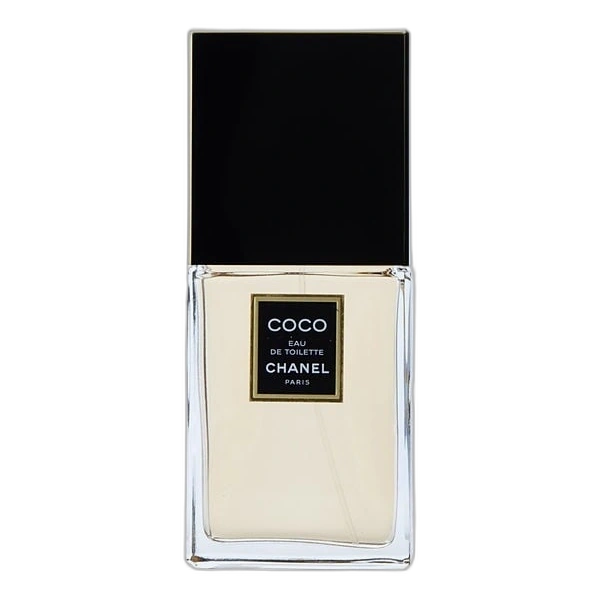
In 1984, Jacques Polge created his first major feminine for Chanel, drawing on Gabrielle Chanel’s private world: her Coromandel screens, precious objects and taste for a dreamed Orient. Coco opens with velvety mandarin and peach, lifted by coriander. The heart is a spiced bloom, jasmine and rose warmed by clove into an almost candied texture. Creamy sandalwood, tonka bean and amber in the base create a round, powdery, deeply enveloping warmth. Denser and more theatrical than No. 5, Coco is a spiced oriental with real character, sumptuous yet perfectly controlled.
When to wear it
Made for winter evenings and grand occasions. It suits women who love luxurious, confident orientals.
The story of Coco
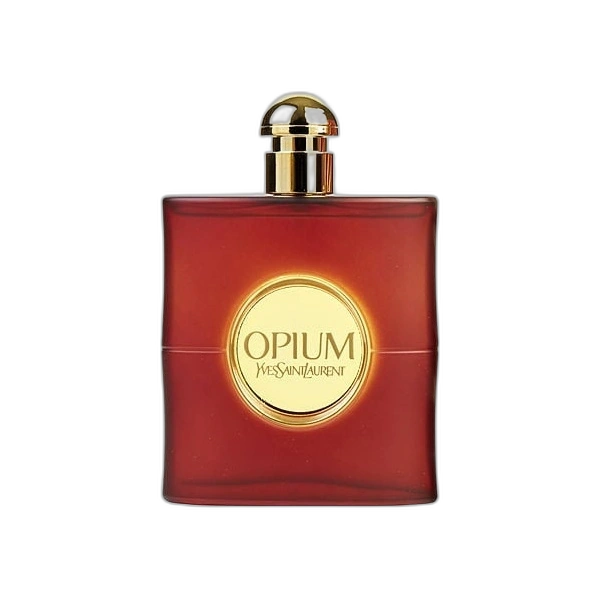
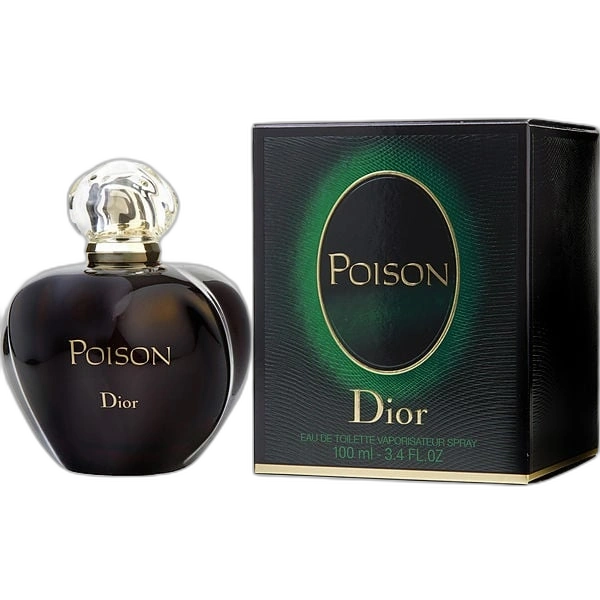
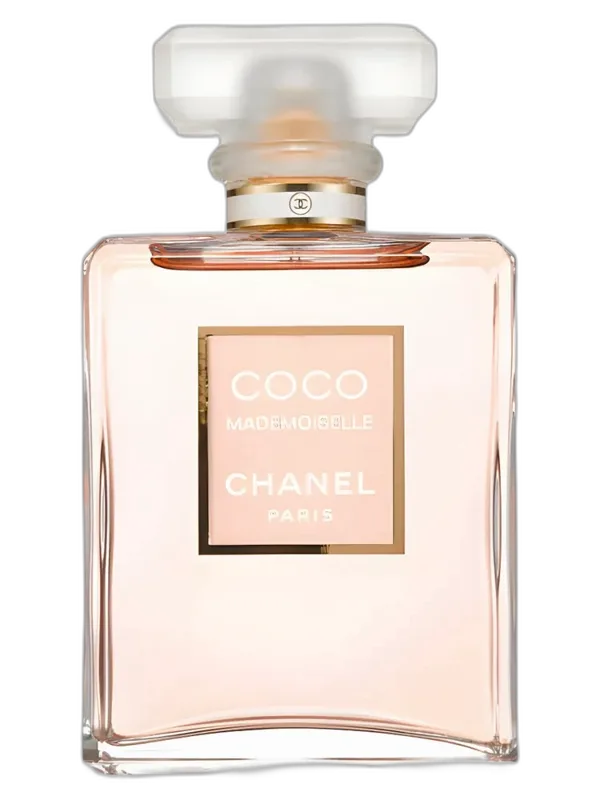
Coco came out in 1984, six years after Jacques Polge joined Chanel as house perfumer. Context matters here. Yves Saint Laurent’s Opium had started the wave of big spicy orientals in 1977, and Dior’s Poison would follow a year later with the same ambition. Chanel answered with its own take, more composed, and tied it to Gabrielle Chanel through her nickname. The most famous advert dates from 1991. Jean-Paul Goude filmed Vanessa Paradis as a bird swinging on a perch inside a giant cage, and the image has stuck to the perfume ever since. In 2001 Coco Mademoiselle borrowed the name for a much fresher patchouli chypre, also by Polge. Today most people know the Mademoiselle better than the original. Coco Noir followed in 2012, darker and woodier. The original never left the range. You mostly meet it on women who love 1980s orientals and have worn it for years. Wearing it today is the quickest way to understand how Chanel answered the spicy oriental wave of that decade.
Our detailed review
Expect more fruit than you might think at the start. Peach and mandarin give a ripe roundness, and coriander adds a faint green pepper. Give it twenty minutes and the clove rises to tint the jasmine and rose. At that stage Coco smells of spiced carnation and flower jam, with a density few modern launches dare. The following hours are the best. Sandalwood, tonka and amber form a warm, powdery base with a resinous streak, and it sits on skin like heavy fabric. We admire the construction. Nothing sticks out. The downside is a strong sense of another era, and it tips into dated fast if you overspray. In a heated room it takes over. It suits lovers of Opium, Shalimar and the great orientals, provided they are happy with a single drop. Anyone who prefers fresh, sheer scents will find it suffocating.
Coco vs its rivals
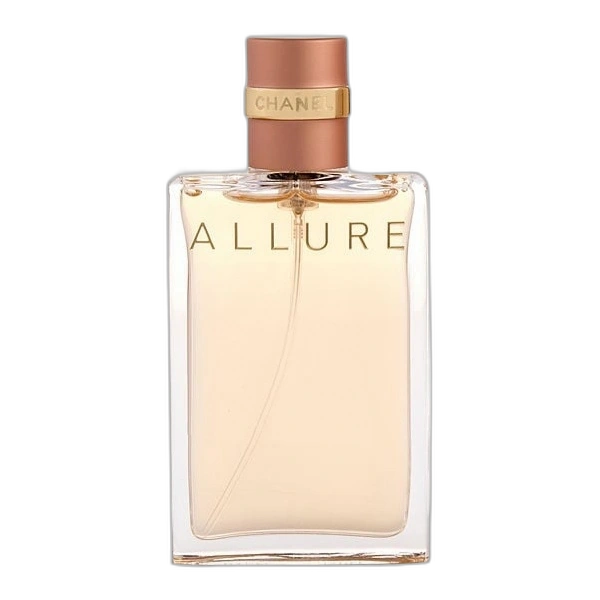
Yves Saint Laurent Opium is its direct elder and closest cousin. Mandarin and clove, jasmine and rose, sandalwood and amber: the lists almost match. Opium adds plum, carnation and vanilla, and it smells more of resin and incense. Coco is smoother, more powdery and more Parisian. Go for Opium if you want a dark, dramatic oriental, and Coco for the same warmth with more restraint. Dior Poison shares the coriander and the jasmine-rose pair, plus sandalwood and amber. Its plum and tuberose make it sweeter and almost narcotic, and it throws much further. Save it for when you are happy to fill a room. Chanel’s own Allure keeps the peach, mandarin and jasmine-rose pairing with no spice at all. Its vanilla and vetiver base makes it the daytime version of the same taste, far easier at work.
Longevity, projection and use
A drop or two is all Coco needs. Expect eight to ten hours on skin from the eau de parfum, often more on wool, with strong projection for the first two or three hours. One or two sprays will do: base of the neck or behind the ears, or a single one in the crook of the elbow for something closer. At three sprays it runs the dinner table. Keep it for autumn and winter, for evenings, the opera or a big occasion. In warm weather the clove and amber turn heavy and the elegance goes.
It belongs to the Oriental / Amber, Spicy family. Coco is one of 13 creations by Chanel in our encyclopedia.