What does Bitter Orange smell like?
Where sweet orange suggests juice, bitter orange suggests peel: an elegant bitterness, leafy green nuances and a zesty sparkle that tingles. Behind it you can sense its kinship with orange blossom, a discreet floral softness. The freshness is bracing and slightly dry. Like every citrus it evaporates quickly and hands over to the heart, yet it leaves a lasting imprint on the character of the opening.
Origin and production
The bitter orange tree is generous to perfumers: its distilled flowers give neroli, solvent extraction of the same flowers gives orange blossom absolute, its leaves and twigs give petitgrain, and its cold-pressed peel gives bitter orange oil. Native to Asia, it was naturalised around the Mediterranean and is grown in Spain around Seville, Italy, Morocco, Tunisia and Paraguay. The oil has been used since the earliest eaux de Cologne.
How perfumers use it
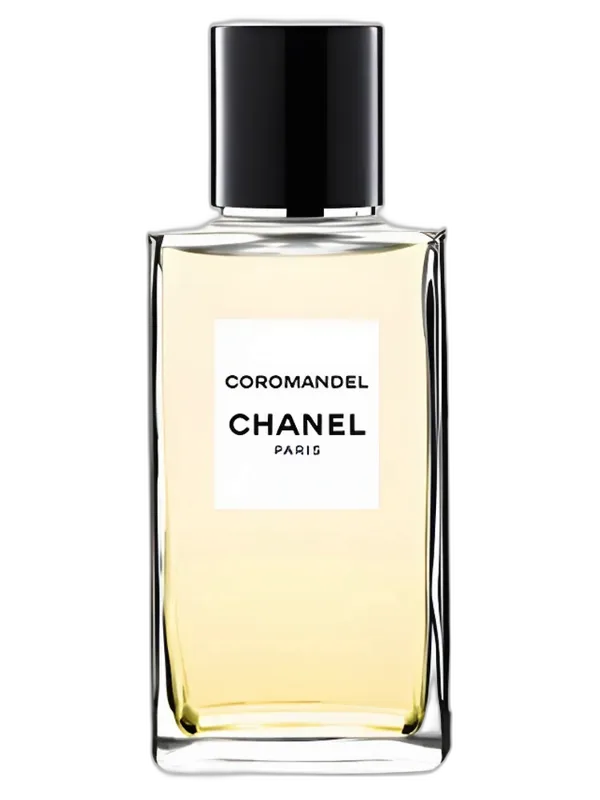
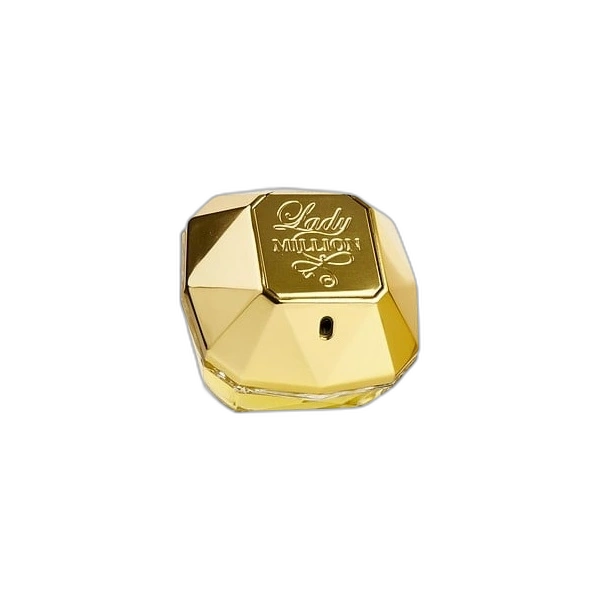
In the top notes, bitter orange brings a more grown-up sparkle than other citrus. It is paired with bergamot, petitgrain and neroli for a complete citrus structure, or with spices and woods for a polished opening. Chanel's Coromandel uses it to brighten a dense patchouli, while Paco Rabanne's Lady Million relies on it to wake up a bouquet of white flowers.
How to wear it
Ideal in warm weather and between seasons, in classic and modern styles alike. It appeals to anyone who finds sweet orange too sugary.