Perfumer

Olivier Cresp, the nose behind Angel and Light Blue

Few perfumers can claim two blockbusters that pull in opposite directions. Olivier Cresp can. Angel (1992) put cotton candy on top of heavy patchouli and set the template for the modern gourmand. Light Blue (2001) went the other way with crisp apple and cedar and almost no sugar. Those two lead our ranking. Black Opium comes third, a coffee and vanilla gourmand he co-authored for Yves Saint Laurent.

6perfumes reviewed
Angel MuglerLight Blue Dolce & GabbanaBlack Opium Yves Saint Laurent

Career: a Grasse family and a Firmenich nose

Olivier Cresp comes from a Grasse family with roots in perfumery, and his sister Françoise Caron is a perfumer too. His name is tied to Firmenich, one of the big fragrance houses that write formulas for fashion brands. Angel, launched by Mugler in 1992, remains the work people bring up first. Light Blue arrived nine years later and proved he could work light as well as loud. The more recent launches on this page tell a different story about the job. Black Opium lists four perfumers. Gentleman and Mon Paris list three each. At this scale a fragrance is usually a team effort, and the split of credit is rarely made public. So we read those co-signatures as collaborations and do not hand Cresp more than his share of them. What stays constant is a knack for accords that are easy to recognise from across a room.

Style: full sugar, or none at all

His output splits into two camps. The first is dense gourmands sitting on patchouli. Angel, Black Opium and Mon Paris share that earthy base, and it is what stops the sugar from turning childish. Gentleman borrows the same patchouli for a men’s scent and softens it with iris. The second camp is the see-through fruity style of the Dolce & Gabbana pair, built on green apple over musk or amberwood. One detail keeps coming back: pear, which opens Black Opium, Mon Paris and Gentleman. Cresp likes a recognisable fruit up front and lets the base do the heavy lifting afterwards. The practical upshot is simple. His strongest scents (Angel, Black Opium) need a light hand on the trigger. His freshest (Light Blue) have the opposite problem and fade before lunch. Few perfumers have a catalogue with this much range between its two ends.
Our selection

6 perfumes, in order

  1. 1 Angel Mugler

    Mugler · 1992 · Gourmand Oriental

    Angel

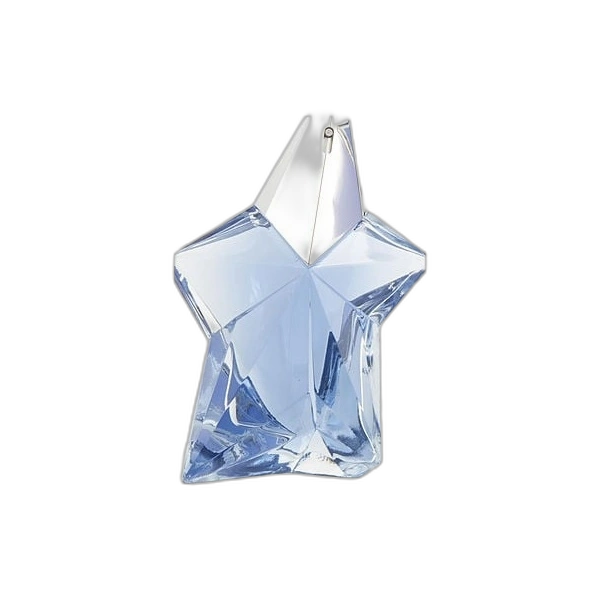
    The reason this page exists. Cresp set cotton candy, honey and chocolate against an almost earthy patchouli and made no attempt to smooth the clash. Intensity is maxed out, so one or two sprays in winter are plenty. Black Opium owes it a lot, yet Angel stays drier at the base and far more divisive. People love it or leave the room.

  2. 2 Light Blue Dolce & Gabbana

    Dolce & Gabbana · 2001 · Floral Fruity

    Light Blue

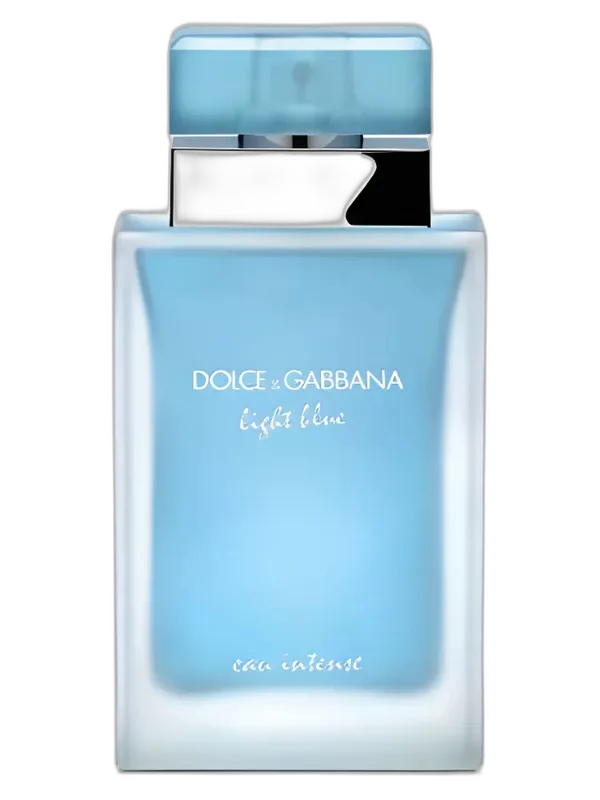
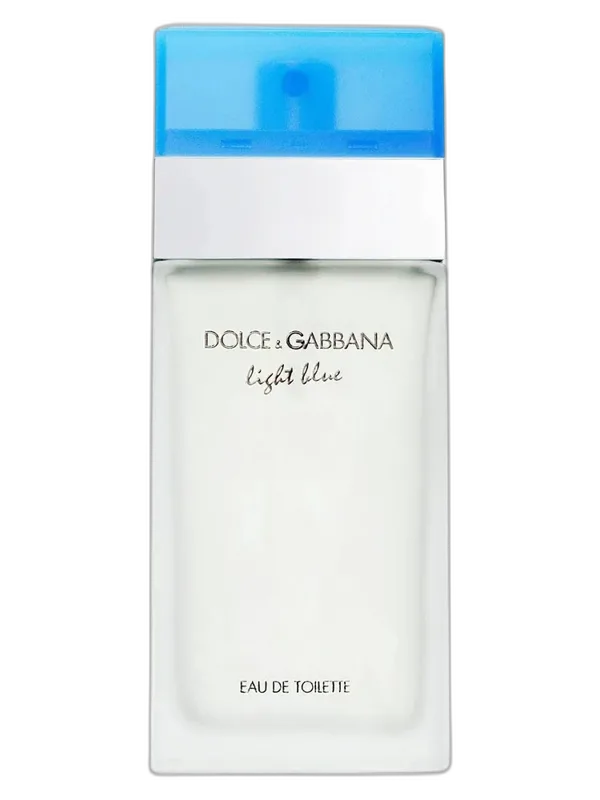
    Angel’s opposite, which is exactly what makes it impressive. Cresp strips out the sugar and keeps green apple, bluebell and cedar over a soft musk. It smells like a summer afternoon with no visible effort. The known flaw: this eau de toilette is mostly gone within a few hours. If you want more staying power, look at Eau Intense at the bottom of the list.

  3. 3 Black Opium Yves Saint Laurent

    Yves Saint Laurent · 2014 · Gourmand Oriental

    Black Opium

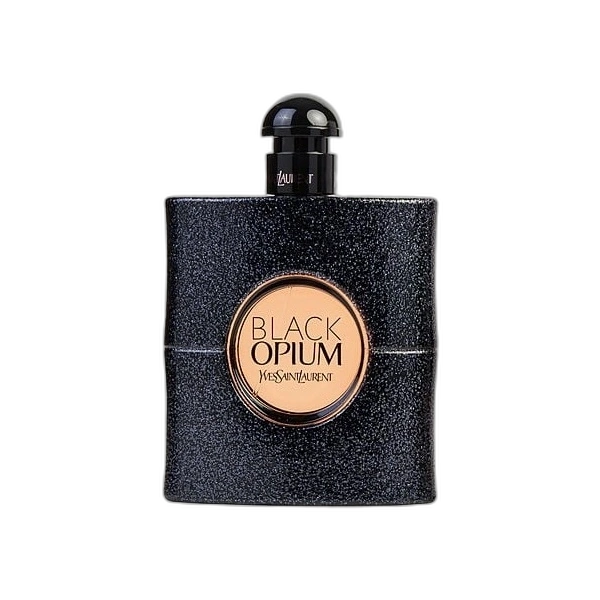
    Co-authored with Nathalie Lorson, Marie Salamagne and Honorine Blanc, this is Angel’s logic in a more polished form. Coffee and almond sit at the heart while vanilla and patchouli hold the base. Pear and pink pepper make the opening friendlier. It suits winter nights, but keep it to two sprays because the sweetness piles up fast.

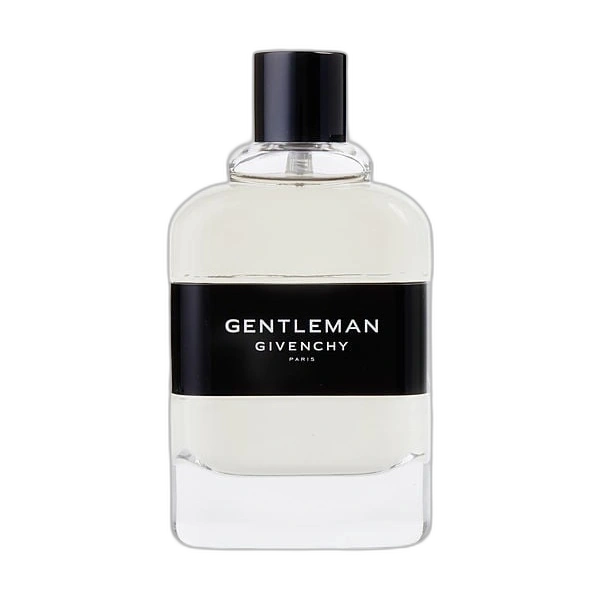
  4. 4 Gentleman Givenchy

    Givenchy · 2017 · Woody Floral

    Gentleman

    Our only masculine pick, co-signed with Nathalie Lorson and Olivier Pescheux. Cresp’s favourite pear is back, this time over lavender and cardamom and then a powdery iris. The patchouli, black vanilla and leather base stays well behaved. A good office pick for spring or autumn, and far less showy than Angel or Black Opium.

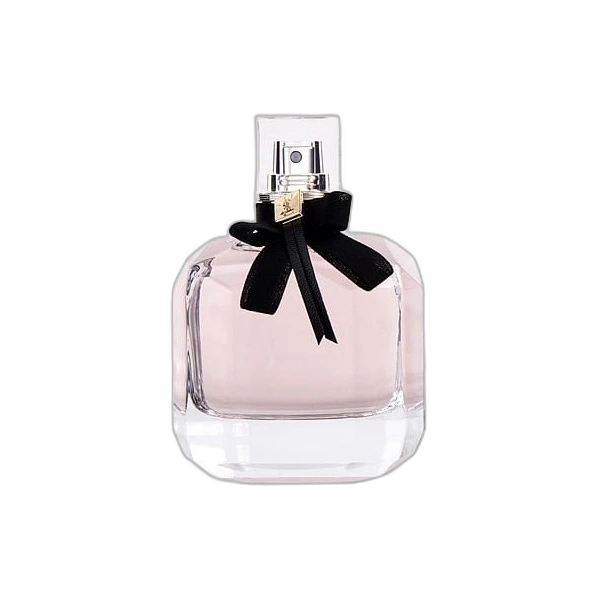
  5. 5 Mon Paris Yves Saint Laurent

    Yves Saint Laurent · 2016 · Floral

    Mon Paris

    Strawberry, raspberry and pear up top, then peony and datura. Mon Paris pushes fruit further than anything else on this page. Cresp shares the credit with Harry Frémont and Dora Baghriche. The patchouli and Ambroxan base lasts well, but the heavy sweetness wears thin in a small room and it has less depth than Black Opium. It is aimed squarely at a younger crowd.

  6. 6 Light Blue Eau Intense Dolce & Gabbana

    Dolce & Gabbana · 2017 · Floral Fruity

    Light Blue Eau Intense

    A sunnier, longer-lasting Light Blue, credited to Cresp alone in 2017. Lemon and Granny Smith apple open, marigold adds a slightly herbal edge, and amberwood takes over. It clearly outlasts the original. What it loses is the transparency that made the 2001 version so easy to love, which is why it sits last.

Frequently asked questions

What are Olivier Cresp’s most famous perfumes?

Angel by Mugler (1992) and Light Blue by Dolce & Gabbana (2001) are the two big ones. He also co-authored Black Opium and Mon Paris for Yves Saint Laurent and Gentleman for Givenchy in 2017. Those last three were team projects with other perfumers.

Which Olivier Cresp perfume works best in summer?

Light Blue, or Light Blue Eau Intense if the original disappears too fast on your skin. Both rest on crisp green apple and a light musk or amberwood base. Keep Angel, Black Opium and Mon Paris for autumn and winter, because their sugar turns heavy in the heat.

Why is Angel called the first modern gourmand?

In 1992 it put confectionery notes like cotton candy, caramel and chocolate right at the front, which few major women’s fragrances dared to do. It then stretched them over a very present patchouli. That sweet-versus-earthy tension became a model for many gourmands that followed, Black Opium included.