What does Hedione smell like?
On a blotter, hedione is almost disappointing. A very sheer jasmine with a lemony edge and a hint of green tea. Nothing heady. Its real talent shows in a blend. It adds space, as if someone opened a window in the bottle. Citrus projects further and flowers feel airier. It lasts well and hums in the background for hours without taking over.
Origin and production
Methyl dihydrojasmonate, sold as Hedione, was developed by the Swiss house Firmenich in the early 1960s. It is modelled on methyl jasmonate, found in jasmine absolute. Its first major use came in Dior Eau Sauvage, composed by Edmond Roudnitska in 1966. Since then some perfumes have used it in large doses, up to a sizeable share of the formula.
How perfumers use it
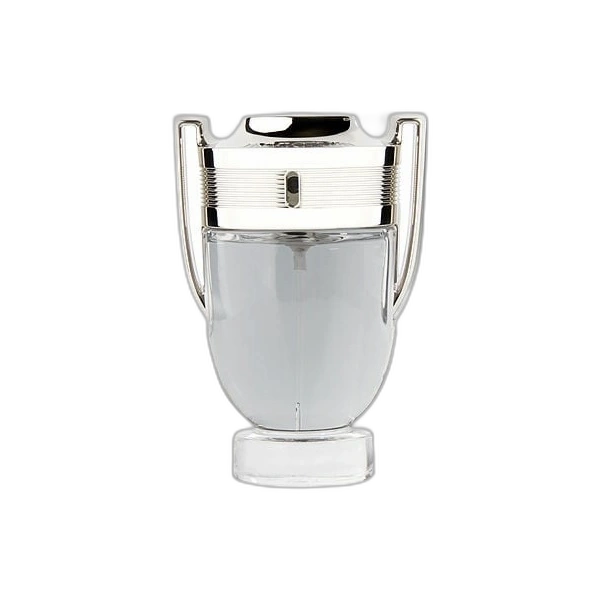
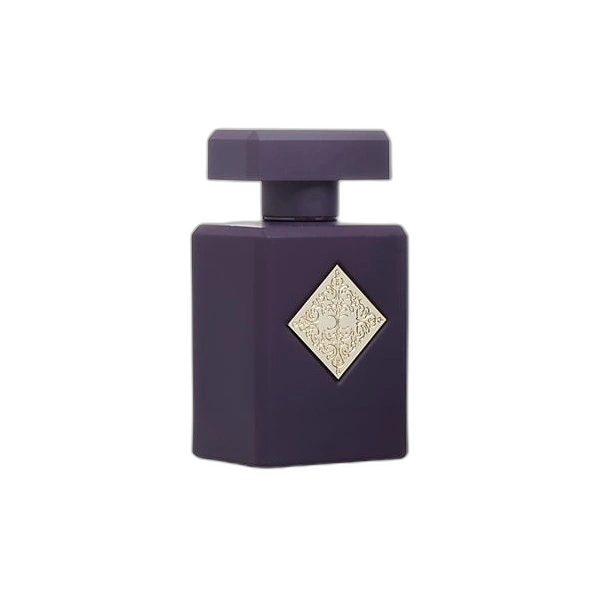
Hedione gets along with almost everything, from citrus to musk. It acts as a binder and a projector. Van Cleef & Arpels First, composed by Jean-Claude Ellena in 1976, uses it to air out an aldehydic floral. The same perfumer made it a pillar of Voyage d'Hermès. Paco Rabanne Invictus uses it to stretch its marine freshness. Initio Side Effect, darker, uses it to lighten a vanilla rum.
How to wear it
Hedione-rich perfumes work in any season. It helps them project, so two sprays of Invictus are more than enough.