Our take
What does Azzaro Pour Homme smell like?
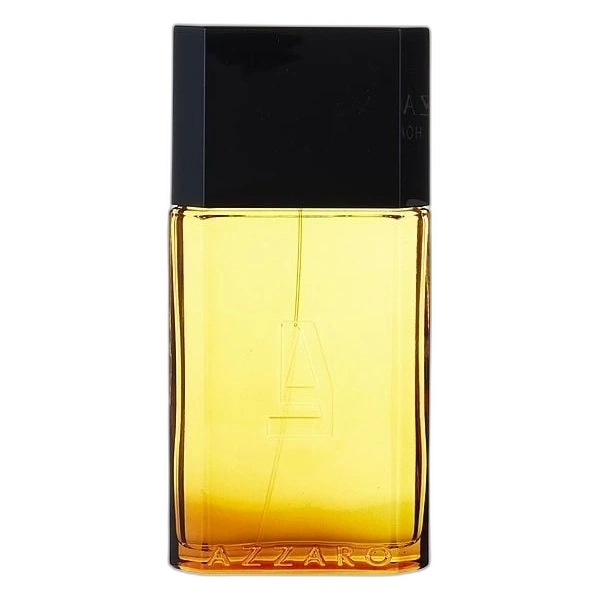
Launched in 1978, Azzaro Pour Homme is one of the great examples of the aromatic fougère, the style that ruled men's perfumery for two decades. Its opening plays like a herbarium: lavender, liquorice-tinged anise and bergamot make a bracing, barbershop freshness. The heart is less expected, as powdery iris, basil and minty geranium add an aromatic polish somewhere between luxury soap and scrubland herbs. The base of oakmoss, vetiver and musk gives an earthy, woody foundation that keeps it going for hours. It is a scent of character, clean and virile at once, conjuring shaving foam, a sharp jacket and a certain idea of Mediterranean seduction.
When to wear it
Any season except the hottest days, for work or evenings; it appeals to fans of classic fougères and unapologetically aromatic masculines.
The story of Azzaro Pour Homme
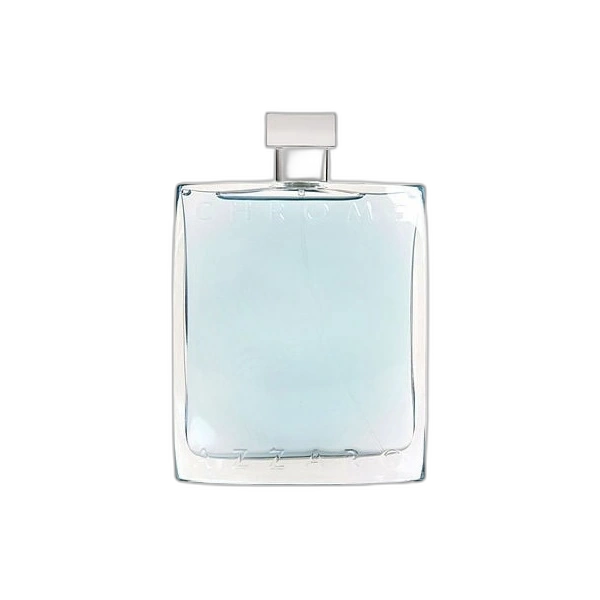
Loris Azzaro, an Italian-born couturier based in Paris, was known in the 1970s for glittering evening gowns worn by the stars of the day. Azzaro Pour Homme launched in 1978, the same year as Ralph Lauren's Polo. It sits at the heart of the aromatic fougère wave that Paco Rabanne Pour Homme had opened in 1973. Lavender, herbs and oakmoss were then the smell of a well-dressed man, from the bathroom to the dinner table. Azzaro stood out with strong anise and an iris that was unusual in a masculine of that era. It became the brand's pillar and stayed that way for decades. In 1996 Azzaro Chrome took the house toward a more modern fresh style without replacing the original. Like every fougère of its generation, it has had to adapt to restrictions on oakmoss. Azzaro fragrances now belong to L'Oréal, which bought them from the Clarins group. The bottle has barely changed, and for loyal wearers that is a selling point in itself.
Our detailed review
The opening is openly aromatic. Lavender, liquorice-like anise and a bergamot that mostly just opens the window. The first minutes feel brisk and a bit medicinal. The following hour is the most interesting. Basil and geranium bring a minty green, and the iris adds a powder that makes the whole thing softer than you expect. The base shows up around hour three with oakmoss and vetiver, slightly earthy, plus a musk that keeps a clean-skin feel. It lasts all day without fading. The flaw is the anise, which splits opinion. On some skins it dominates for a long time and drifts toward pastis, and not everyone enjoys that. It suits men who like classic masculine scents built on lavender and herbs, with no sugar at all. A light hand pays off here: two sprays read polished, four read like a locker room. Younger wearers raised on ambery woods will find it stern.
Azzaro Pour Homme vs its rivals
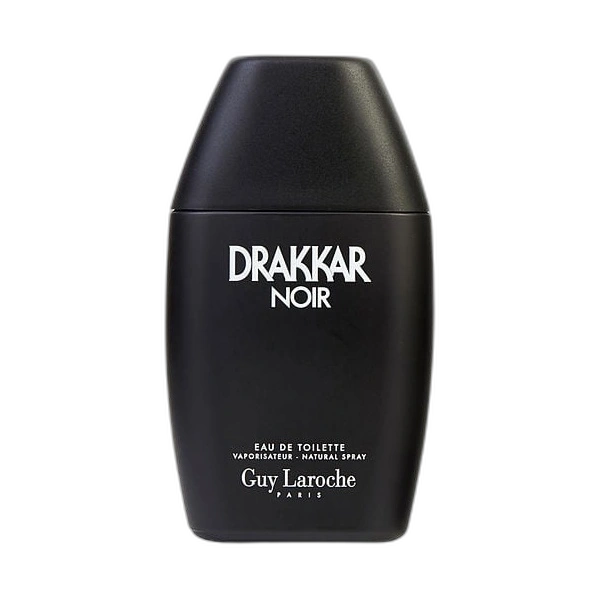
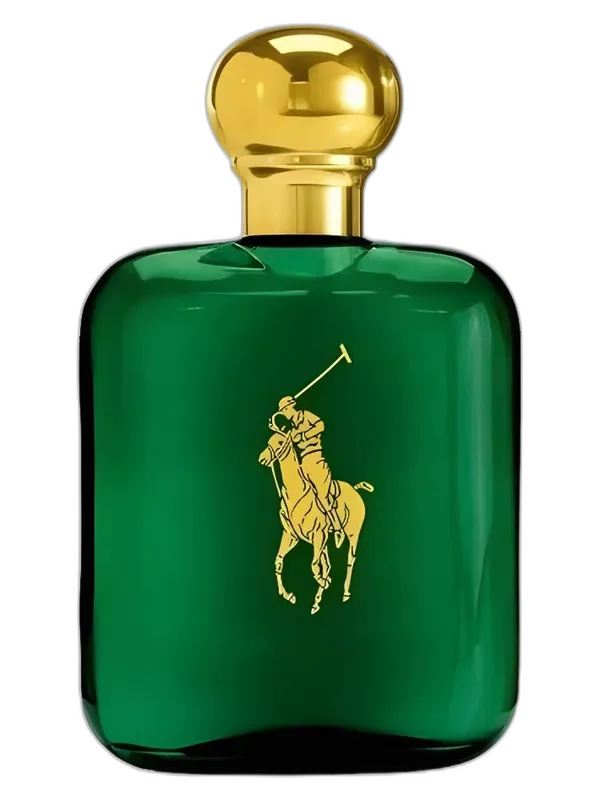
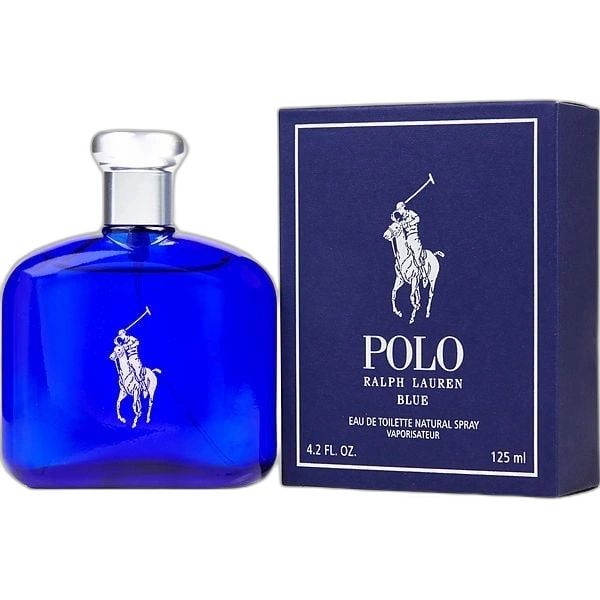
Drakkar Noir shares lavender, basil and oakmoss. It adds rosemary, juniper and leather for a darker and drier result. Azzaro stays rounder thanks to anise and iris. Polo came out the same year and has basil, oakmoss and musk in common. Pine needles, tobacco and leather make it a green fougère that is far woodier and rougher. Polo Blue only shares basil, geranium and musk. Melon and cucumber pull it toward a lighter, more modern aquatic freshness. All four are rooted in the same herbal tradition, but Azzaro is the one that sits best with a suit today. For an elegant fougère that works at the office, Azzaro. For a more virile evening character, Drakkar Noir. For forest and leather, Polo. Of the three rivals, Polo Blue is the only one that feels built for summer.
Longevity, projection and use
Azzaro Pour Homme projects well for an eau de toilette, and its 4 out of 5 intensity shows most in the first hour. Expect six to eight hours on skin, and longer on a wool jacket. Two sprays are enough, one on each side of the neck. In an open-plan office, a single spray on the chest under your shirt keeps the air clear. Wear it from autumn to spring, at work or in the evening. Summer mornings are still fine, but the anise and moss get heavy quickly in the heat.
It belongs to the Fougère, Aromatic family. Azzaro Pour Homme is one of 4 creations by Azzaro in our encyclopedia.