Jasmine as the backbone of the feminine floral
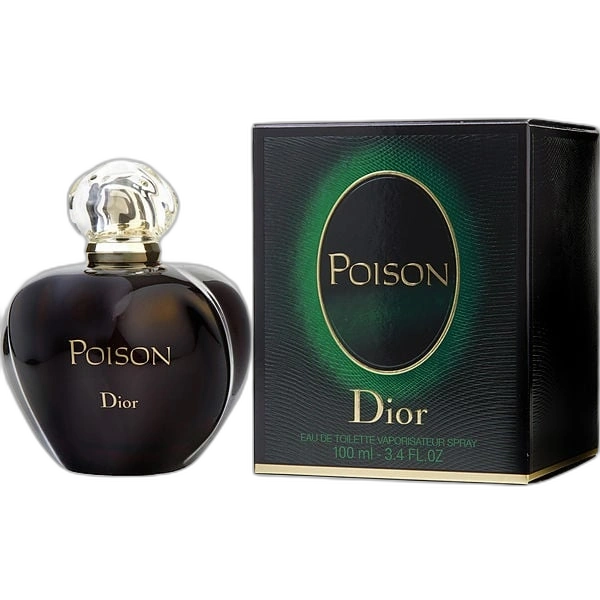
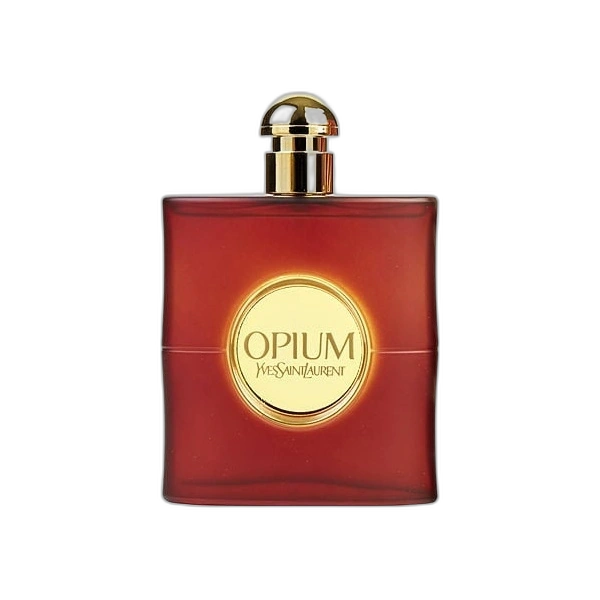
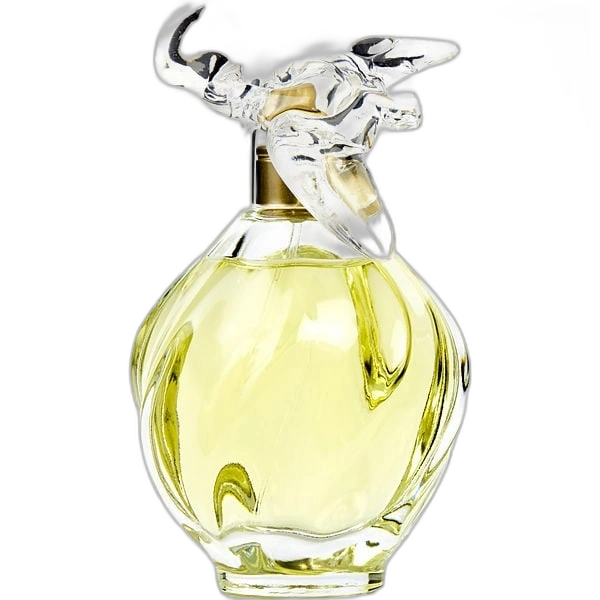
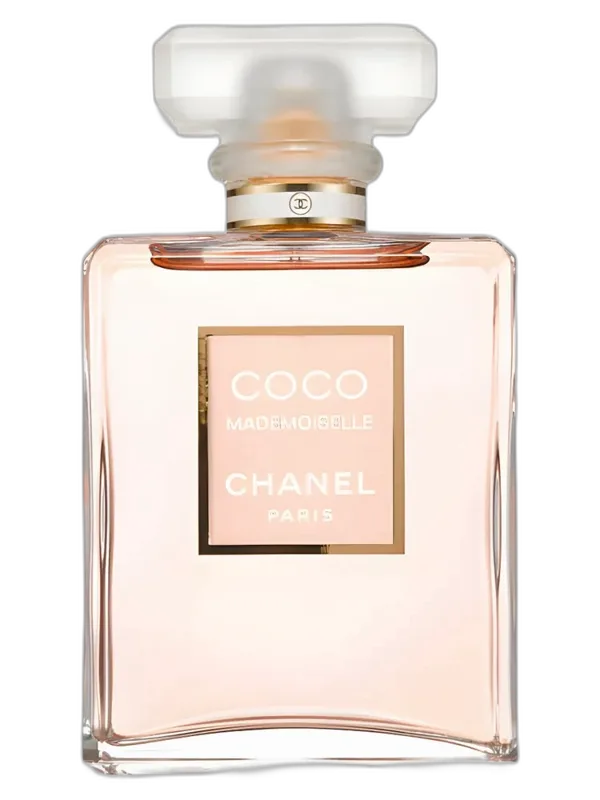
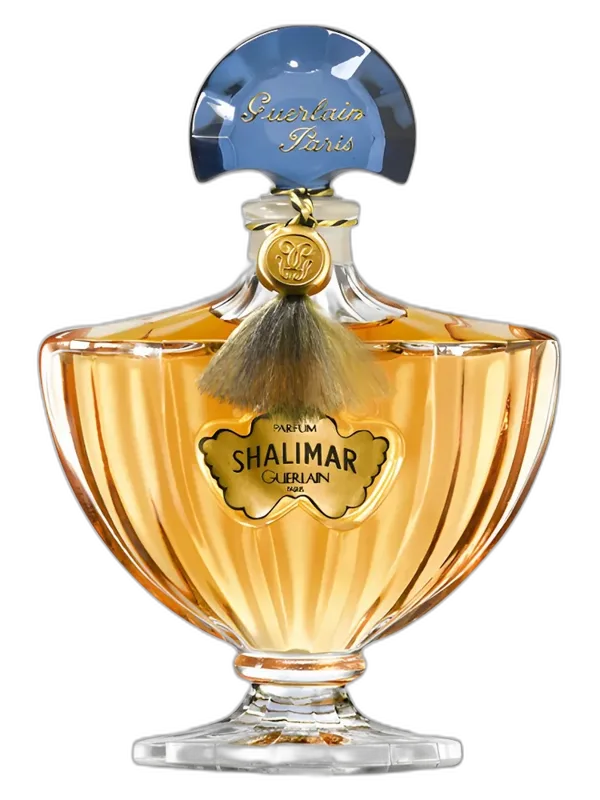
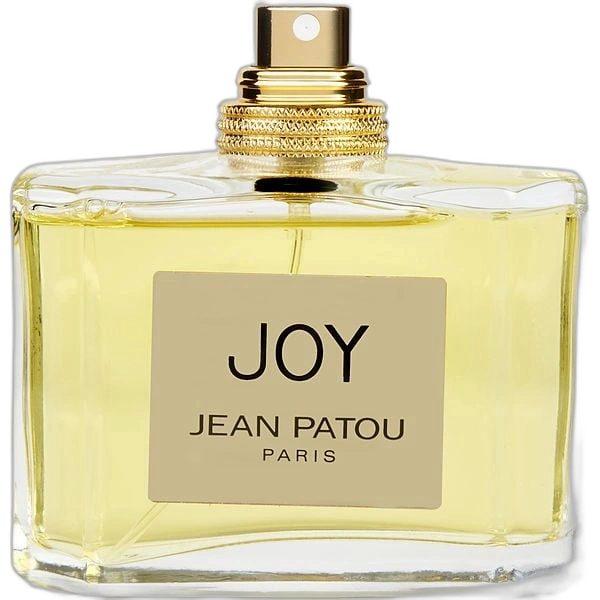
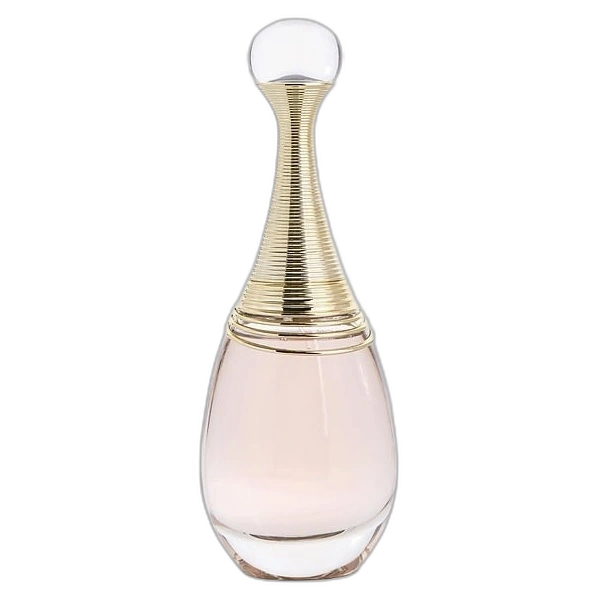
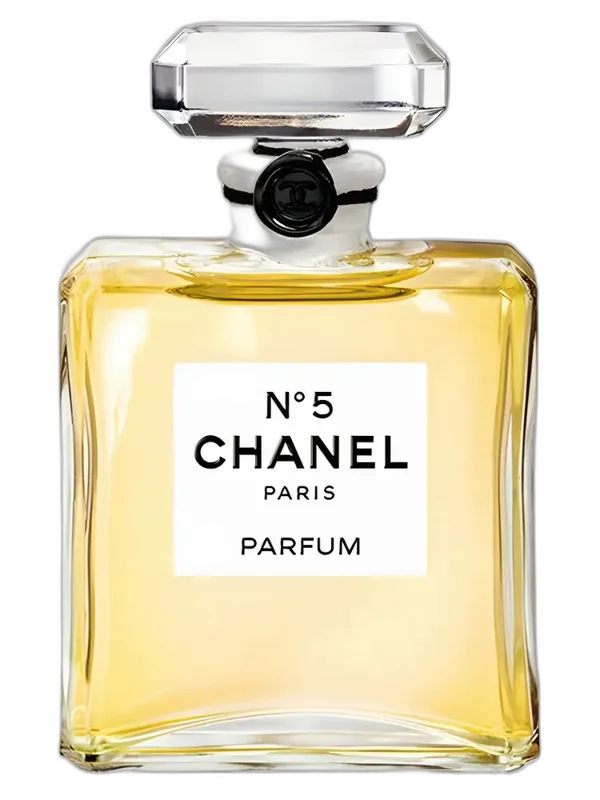
In men's fragrances, jasmine hides. It rounds out a fougère or a fresh scent, and you rarely notice it. Women's perfumes flip that around. Jasmine is often the main event, paired with rose in a duo nearly every classic on this page shares. Joy, No. 5, Miss Dior, L'Air du Temps and Coco Mademoiselle all have a rose and jasmine heart. The difference is what surrounds it. Aldehydes in No. 5 make the jasmine abstract. Oakmoss in Miss Dior makes it austere. Patchouli in Coco Mademoiselle makes it modern. Feminine jasmine also keeps its fleshy, indolic side, which men's scents usually avoid. Poison and Opium push that side forward with tuberose or carnation. That is where their reputation as evening florals comes from.
Bright jasmine or dark jasmine
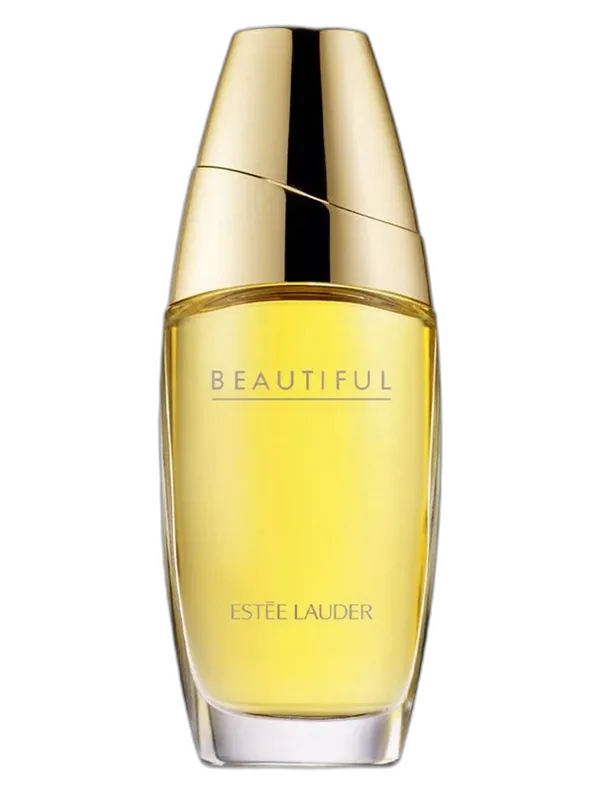
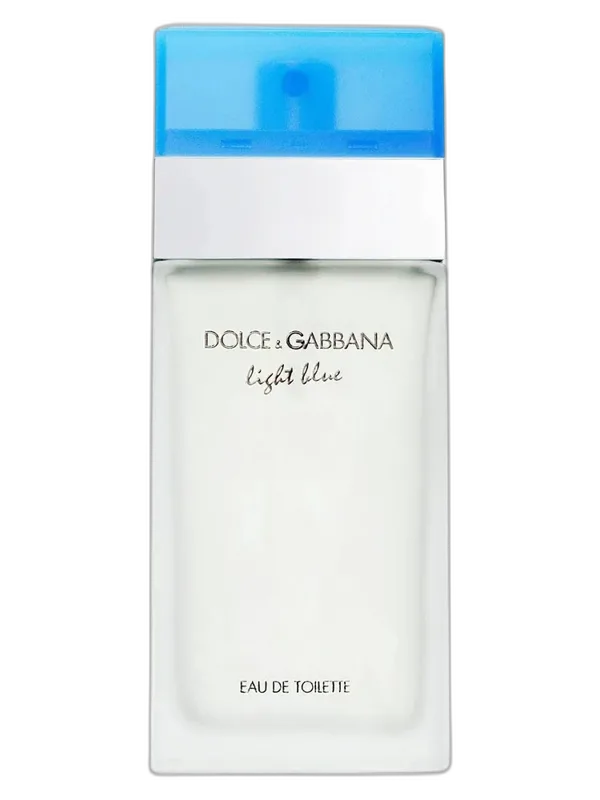
When choosing, the real question is light. Bright jasmines are for daytime, spring and summer. J'adore, L'Air du Temps and Light Blue are the best examples. The jasmine is fresh and fruity, surrounded by pear, peach or apple. Light Blue is the lightest of all, close to a beach scent. At the other end, dark jasmines belong to autumn and evening. Poison, Opium and Beautiful are at or near maximum strength. Their jasmine is spiced with clove or weighed down with tuberose and amber. One spray is enough, two at most. In between, Joy and No. 5 can move across seasons depending on how much you apply. One detail matters: jasmine opens up with skin heat. On the wrist it often takes twenty minutes to fully bloom, so don't judge too soon.
What jasmine says about each era
This list also traces the history of jasmine in women's perfume. In the 1920s and 1930s, No. 5 and Joy used it generously in very rich bouquets. After the war, Miss Dior in 1947 and L'Air du Temps in 1948 made it greener or gentler. The 1980s blew it up. Poison and Beautiful both launched in 1985 with massive jasmines you could smell across a room. Then the pendulum swung back. J'adore in 1999, then Light Blue and Coco Mademoiselle in 2001, went for transparency and clean lines. None of these approaches is better than the others. But if modern florals feel too polite to you, the 1980s jasmines are worth revisiting. And if the classics feel dated, J'adore is the safest way in.