What does Clove smell like?
Sniff clove oil neat and you're back in the dentist's chair. Eugenol, its main molecule, has long been used in dental dressings. Under that clinical first impression sits a round, woody spice with a whisper of smoke and dried fruit. A small dose warms a formula without taking over. Too much and it burns. On skin clove lasts well, settling into a powdery heat that recalls carnation.
Origin and production
The clove tree (Syzygium aromaticum) comes from the Moluccas in Indonesia, the original Spice Islands. Portuguese and then Dutch traders fought over the trade for centuries. Today Madagascar, Zanzibar and Indonesia lead production. The buds are picked before they open and sun-dried until brown. The essential oil is steam-distilled from the buds. Leaves and stems are distilled too, giving a rougher oil.
How perfumers use it
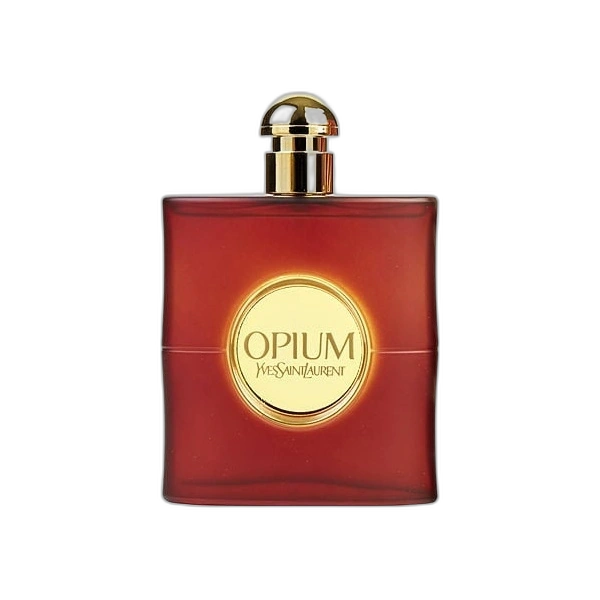
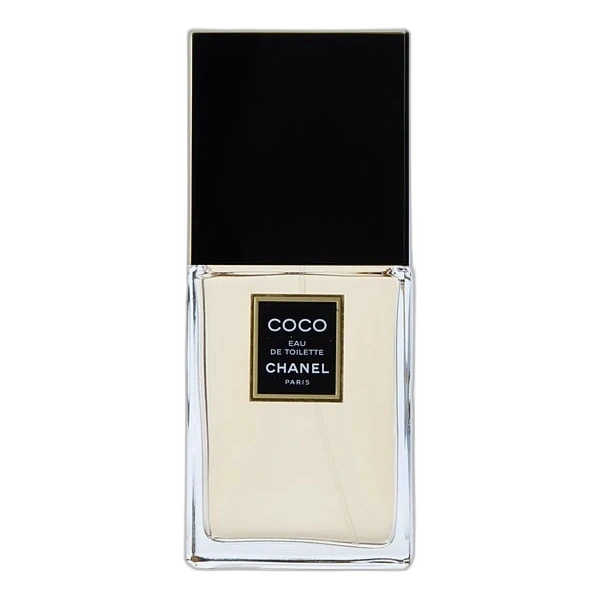
Clove is the backbone of carnation. Without eugenol there is no convincing carnation accord. It pairs easily with cinnamon, nutmeg and rose, and gives lift to woods and resins. Yves Saint Laurent Opium (1977) sets it in the top among a cloud of spices. Chanel Coco, composed by Jacques Polge in 1984, tucks it into a warmer amber heart. Serge Lutens Féminité du Bois wraps it around cedar with a dryness that still feels unusual.
How to wear it
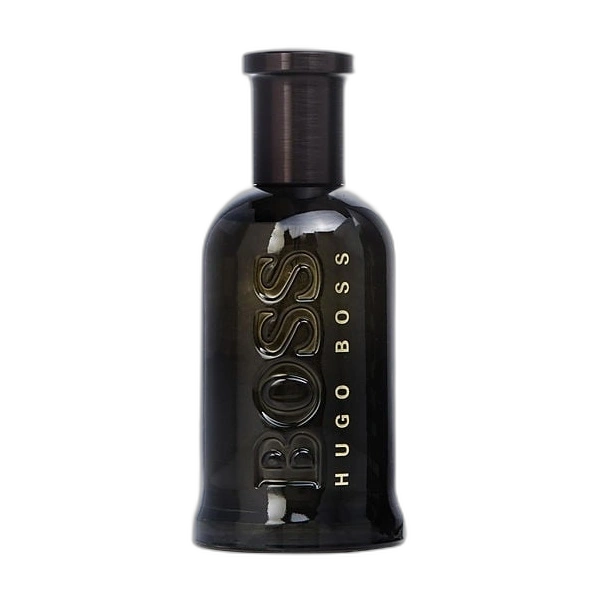
Wear clove from October to February, over wool rather than a T-shirt. Two sprays are plenty. Beyond that, Opium and Boss Bottled can fill an office fast.